Table of Contents
ToggleGetting your house plant soil right is the difference between thriving greenery and a slow decline into brown leaves and root rot. Most new plant parents assume any potting mix from the store shelf will work, but soil quality directly impacts drainage, nutrient availability, and long-term plant health. The right soil holds moisture without staying soggy, provides aeration for roots, and creates a stable foundation for growth. Whether you’re working with finicky orchids, hardy succulents, or forgiving pothos, understanding soil components and how to choose, or blend, the right mix is foundational. This guide walks you through what makes quality plant soil, how to match soil to specific plants, and how to avoid common mistakes that derail even seasoned growers.
Key Takeaways
- Quality soil for house plants balances moisture retention with aeration to prevent root rot and ensure long-term plant health.
- Match soil composition to your plant type: use fast-draining gritty mixes for succulents, standard blends for tropical foliage plants, and bark-based mixes for orchids.
- Refresh or repot house plant soil every 12–18 months, as potting soil compacts over time and loses its ability to provide proper aeration and drainage.
- Mix your own custom potting soil using a base recipe of peat moss or coco coir, perlite, and compost to save money and control drainage for specific plants.
- Never use dense garden soil indoors, never skip drainage holes, and avoid reusing old soil without adding fresh compost—these are the leading causes of house plant failure.
Why House Plant Soil Matters More Than You Think
House plant soil is nothing like garden soil. Garden soil is dense, designed to hold moisture for outdoor plants with deep root systems. Potting soil is engineered to be airy, fast-draining, and loose, critical for container-grown plants where water can’t percolate downward naturally.
When water sits in dense soil, roots suffocate and rot sets in within days. When soil drains too quickly, plants don’t access enough moisture or nutrients between waterings. The sweet spot is a soil that holds just enough water while allowing air pockets around the root ball. This balance prevents two of the biggest house plant killers: overwatering and underwatering.
Soil also houses beneficial microbes and fungi that help roots absorb nutrients. Premium potting mixes often include mycorrhizal networks and beneficial bacteria that store-bought single-component soils lack. Over time, potting soil breaks down, organic matter compacts, particles settle, and aeration degrades. That’s why repotting every 12–18 months or refreshing the top layer annually keeps plants healthy. Understanding these fundamentals helps you shop smarter and troubleshoot problems faster when a plant starts struggling.
Essential Components of Quality Plant Soil
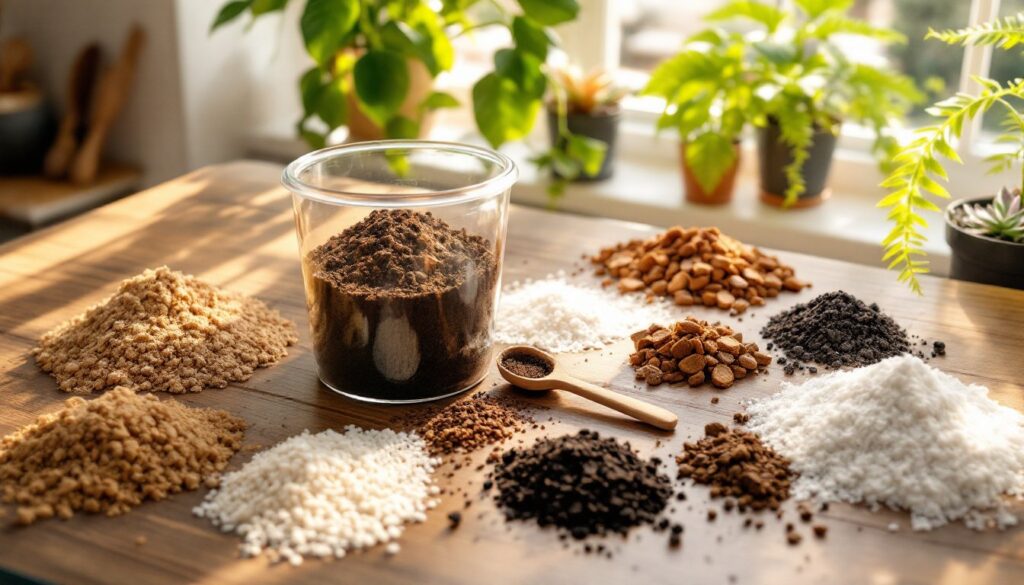
Quality potting soil blends several core components in specific ratios. The base is typically 40–50% organic matter (for nutrition and water retention), 25–35% drainage material (for aeration), and 15–25% structural filler (for texture and stability). No single ingredient does it all, so understanding what each brings to the mix is crucial.
Peat Moss and Coco Coir Alternatives
Peat moss is the traditional backbone of potting soil. It holds moisture well, is pH-neutral, and provides a light, airy base. But, peat is harvested from non-renewable bogs, so many growers now turn to coco coir (coconut husk fiber) as an eco-friendly substitute. Coco coir drains slightly faster than peat but performs similarly in most mixes. On first use, coco coir needs soaking and fluffing because it compresses during storage: peat moss requires less prep.
Both materials degrade over 1–2 years, which is why potting soil eventually compacts. If you prefer sustainable options, blends using 50/50 peat and coco coir, or 100% coco coir, work well for most house plants. Sphagnum moss (long-fiber sphagnum) is another premium option for orchids and epiphytes, it’s chunkier and stays fluffy longer, but costs more.
Perlite and Vermiculite for Drainage and Aeration
Perlite is a volcanic glass heated until it pops like popcorn, creating lightweight white pellets full of air pockets. It improves drainage fast, prevents compaction, and adds almost no weight to a pot. Most quality potting mixes contain 20–30% perlite. Downsides: perlite floats to the soil surface when watering and can escape into the air (wear a dust mask when mixing).
Vermiculite is a silicate mineral that expands when heated, creating a sponge-like texture. Unlike perlite, it holds water, so it’s better for plants that like consistent moisture, think African violets and ferns. Perlite drains faster, vermiculite drains slower. Many mixes use both: a 50/50 blend of perlite and vermiculite gives plants flexibility across different watering schedules. For succulents and cacti, bump perlite to 40% of the mix. For humidity-loving plants like calathea, use more vermiculite and less perlite.
Selecting the Right Soil for Different Plant Types
Not all plants thrive in the same soil. Succulents and cacti need fast drainage: tropical plants prefer consistent moisture: orchids want chunky, airy mixes. Matching soil to your plant’s native habitat is the easiest path to success.
Succulents and cacti need gritty, fast-draining mixes. Use a base potting soil (40%), perlite (40%), and coarse sand or pumice (20%). These plants rot in soggy soil within days. Common Succulent House Plants thrive in this formulation because their shallow, fibrous roots need air more than water.
Tropical foliage plants (pothos, philodendrons, monsteras) handle standard potting mixes well. A 60% peat/coco base, 20% perlite, and 20% vermiculite works. They like moisture but not saturation, this blend lets soil dry slightly between waterings without staying bone-dry.
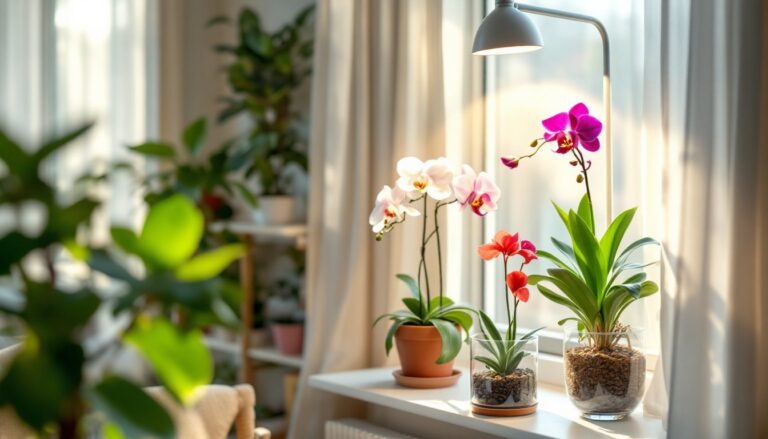
Orchids need something closer to bark chips than traditional soil. Most prefer a 70% orchid bark (large chunks), 20% sphagnum moss, and 10% perlite blend. Orchid bark mimics their natural epiphytic life, clinging to tree branches in tropical forests, and drains in seconds. Regular potting soil suffocates orchid roots.
African violets and ferns like steady moisture and humidity. Use a lighter mix: 50% coco coir, 25% peat moss, 15% vermiculite, and 10% perlite. This combo breathes but holds more water than a succulent mix. Easiest House Plants to Keep Alive often land in this category, and they reward consistent, not fluctuating, soil moisture.
When repotting, always choose soil that matches your plant’s humidity needs. Switching from a dense nursery mix to a gritty DIY blend can shock a plant, so transition gradually if changing soil profiles.
How to Mix Your Own Custom Potting Soil
Buying potting soil in bulk gets expensive fast, especially if you’re repotting multiple plants annually. Mixing your own is cheaper, more sustainable, and gives you full control over drainage and nutrition.
Basic recipe for most house plants:
- 4 parts peat moss or coco coir
- 2 parts perlite
- 1 part worm castings or compost
- ½ part orchid bark (optional, for extra aeration)
Mix these in a large bin or on a clean surface. Wear a dust mask during mixing, peat and perlite create fine particles that irritate lungs. If your mix feels dense after blending, add more perlite. If it dries too fast (water runs straight through the pot), add more peat or coco coir.
For succulents, use 2 parts peat/coco, 2 parts perlite, 1 part coarse sand or pumice, and ½ part worm castings. The extra drainage material is key.
For orchids, buy pre-sized orchid bark (medium or fine, depending on pot size) and blend 3 parts bark with 1 part sphagnum moss and ½ part perlite. Orchid bark alone works, but adding moss and perlite improves water retention slightly without sacrificing drainage.
Storage tip: Potting soil stored in dry conditions stays viable for months. Keep mixed soil in sealed buckets away from moisture. Pre-moistening a batch before use helps, dry peat and coco coir resist water initially, so wet the mix lightly 24 hours before potting. This eliminates hydrophobic soil that sheds water instead of absorbing it.
Common Soil Mistakes and How to Fix Them
Even experienced plant parents slip up with soil. Recognizing and correcting these mistakes saves plants from slow decline.
Mistake 1: Using garden soil indoors. Garden soil is too dense and compacts in containers, blocking drainage and root development. If you’ve done this, repot immediately into proper potting mix. It’s the single most common cause of root rot in house plants.
Mistake 2: Never refreshing soil. Potting soil degrades over 12–18 months. Old soil compacts, loses aeration, and becomes hydrophobic (water beads on the surface instead of soaking in). When you notice a plant drying out faster than usual or performing poorly even though proper watering, it’s time for fresh soil. Top-dress by removing the top 2 inches of old soil and replacing it with fresh mix as a quick fix for smaller plants. For larger plants or those struggling significantly, full repotting works better.
Mistake 3: Reusing soil without refreshing it. Old potting soil contains salt buildup, depleted nutrients, and potentially harmful pathogens from a previous plant. Some growers successfully reuse potting soil by removing all old plant matter, fluffing it thoroughly, and adding fresh compost or worm castings to restore nutrients. If reusing, blend 50% old soil with 50% new potting mix to be safe.
Mistake 4: Ignoring drainage holes. Even perfect soil can’t save a pot without drainage. Water pools at the bottom, roots rot, and the plant dies. Always use pots with drainage holes. If you love a pot without drainage, nest it inside a pot with holes using a nursery container as an inner pot.
Mistake 5: Overfertilizing compensates for bad soil. Many growers dump fertilizer on struggling plants, assuming they’re nutrient-starved. Often, the real problem is compacted, poorly-draining soil preventing root uptake. Fresh, quality potting mix with compost usually provides enough nutrition for 6 months. Heavy feeders like vegetables need ongoing plant fertilizer supplementation, but most house plants don’t. Assess soil quality first before reaching for fertilizer.