Table of Contents
ToggleFinding indoor plants for sale near you doesn’t have to be a scavenger hunt. Whether you’re a seasoned plant parent or picking up your first fiddle-leaf fig, knowing where to shop locally and what to look for makes all the difference. This guide walks you through the best places to find quality plants in your area, what separates a healthy specimen from a struggling one, and how to keep your new green friends thriving once you bring them home. Let’s dig into the practical side of indoor plant shopping.
Key Takeaways
- Local nurseries and big-box retailers each offer distinct advantages: nurseries provide expert advice and hand-picked quality for indoor plants for sale, while home improvement stores offer budget-friendly options.
- Before buying, inspect plant leaves for firmness and color, check undersides for pests, test soil moisture, and examine roots through drainage holes to ensure you’re getting a healthy specimen.
- Beginner-friendly indoor plant options like snake plants, pothos, and peace lilies are nearly impossible to kill and widely available, making them perfect starting points for new plant parents.
- Match your plant choice to your actual home lighting conditions—north-facing windows provide low light, east/west windows offer bright indirect light, and south-facing windows deliver direct sun.
- Avoid overwatering by checking soil moisture with your finger; water only when the top two inches feel dry, as overwatering is the leading cause of indoor plant failure.
- After bringing plants home, allow a few days to adjust before making changes, then maintain them with gentle leaf brushing, weekly pot rotation, and seasonal adjustments to watering and feeding.
Where To Find Indoor Plants Near You
Local Nurseries and Garden Centers
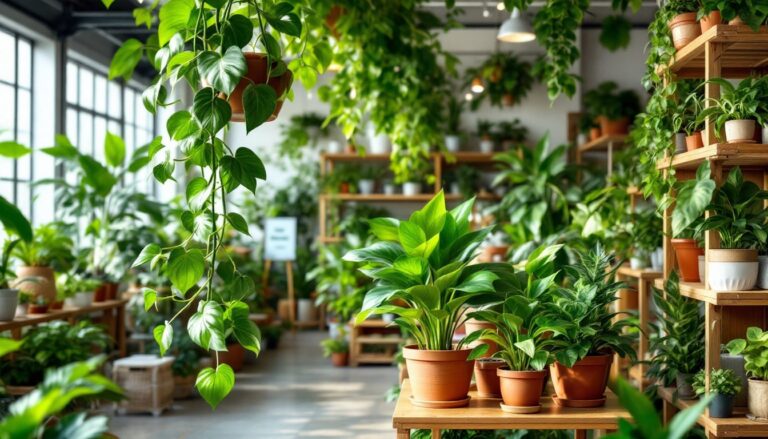
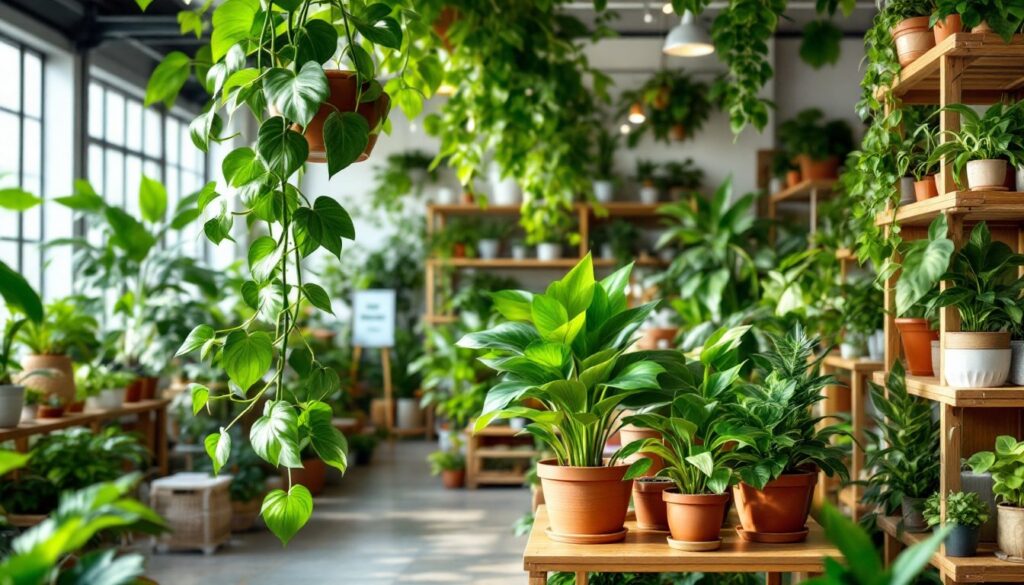
Local nurseries are your best bet for hand-picked, healthy stock. The staff typically knows their inventory inside and out, they can tell you exactly what light conditions a plant needs, how often to water it, and whether it’ll play nice with your cat. Nurseries also let you inspect plants in person, checking for pest damage, root health (by gently tipping the pot), and leaf condition before you commit.
Visit in the morning or mid-week when staff have time to answer questions. Bring photos of your space if you’re unsure about light levels. Most local nurseries carry beginner-friendly options plus rare specimens if you’re looking to up your game. Prices are often competitive even though the “local shop” premium, and you’re supporting a small business.
Home Improvement and Big-Box Retailers
Home Depot, Lowe’s, and similar stores carry a solid range of indoor plants at budget-friendly prices. Their selection isn’t as curated as a nursery, but you’ll find the classics: pothos, snake plants, peace lilies, and monstera. The trade-off is less personalized advice and sometimes less-than-pristine plant condition, they’re high-volume operations.
If you go this route, inspect carefully. Check undersides of leaves for spider mites or mealybugs, look for root rot signs (mushy stems, soil that reeks), and skip anything with yellowing leaves or visible damage. Ask about their plant care return policy, many offer refunds if a plant dies within a set period. These retailers are great for budget-conscious shoppers and those shopping off a specific plant list.
What To Look For When Buying Indoor Plants
Start by examining the leaves and stem. Healthy foliage is firm, vibrant in color, and free of spots, holes, or sticky residue (signs of pests). Gently turn over a few leaves, the undersides should be clean. A few brown leaf tips are normal, but widespread browning or wilting is a red flag.
Feel the soil. Squeeze gently: it should be slightly moist, not waterlogged or bone-dry. Waterlogged soil often means root rot, the silent killer of indoor plants. Lift the pot to check for weight, a lighter-than-expected pot might indicate severely dried soil. Look through drainage holes if possible: roots should be white or light tan, not black or mushy.
Check the overall structure. The plant should stand upright without propping, and new growth is a good sign of vigor. If it’s already producing fresh leaves or shoots, it’s adapting well to its current conditions. Avoid bargain plants that look like they’re barely hanging on: they might recover, but they’re harder work for beginners. Consider your light conditions before buying. That gorgeous plant won’t stay gorgeous in a low-light corner if it craves sun.
Popular Indoor Plant Options for Beginners
Snake plants (Sansevieria) are nearly impossible to kill. They tolerate low light, irregular watering, and neglect without complaining. Pothos (Devil’s Ivy) vines are equally forgiving and grow fast, so you’ll see results quickly. Both are easiest house plants to keep alive and often sold at every retailer mentioned.
Peace lilies are popular for low-light spaces and even signal when they’re thirsty by drooping dramatically (they bounce back after watering). ZZ plants (Zamioculcas zamiifolia) have glossy, architectural foliage and laugh in the face of dry air and poor light. Spider plants produce “babies” that you can propagate, making them rewarding for confident beginners.
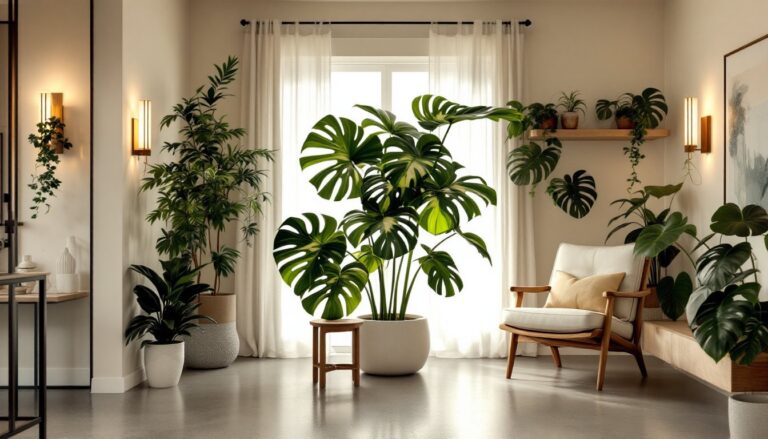
For something with more color, try a Monstera deliciosa, the trendy split-leaf beauty. It needs bright indirect light and moderate watering but rewards you with impressive growth. Philodendrons come in dozens of varieties and share pothos’ easygoing attitude. Before you buy any plant, honestly assess your light: north-facing windows offer low light, east/west windows give bright indirect light, and south-facing windows deliver direct sun. Match your plant choice to your actual light, not your Pinterest dreams.
Tips for Bringing Your New Plants Home and Caring for Them
Transport your plant carefully, wind and temperature swings stress plants. Keep it upright in the car and avoid leaving it in extreme heat or cold. Once home, don’t panic and repot it immediately. Give it a few days to adjust to your home’s light, humidity, and temperature before making changes.
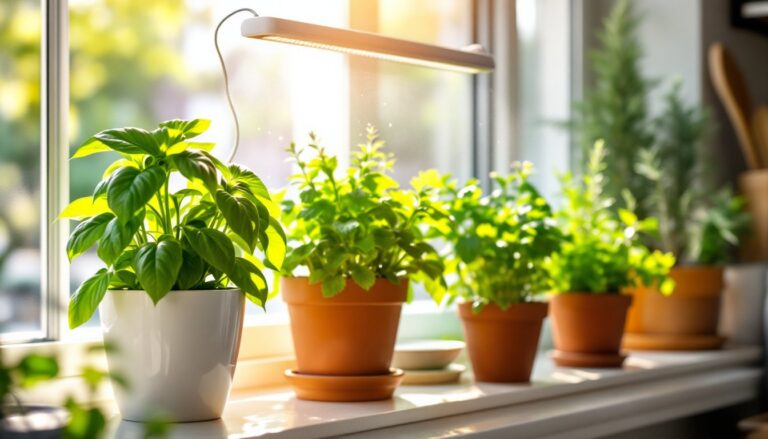
Choose a spot matching the plant’s light needs. If the tag says “bright indirect light,” a spot near a window (but not in direct noon sun through glass) works. Low-light plants do fine a few feet from windows. Move plants closer to windows in winter when light is weaker.
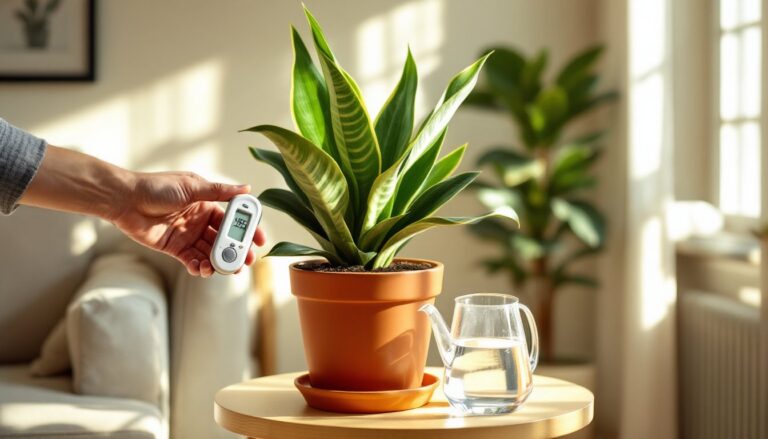
Water thoughtfully. Most indoor plants prefer drying out slightly between waterings rather than staying wet. Stick a finger two inches into the soil: water only if it feels dry. Overwatering is the number-one killer. Use room-temperature water and empty saucers after 10 minutes to prevent root rot.
Brush leaves gently with a soft, damp cloth every few weeks to remove dust and boost photosynthesis. Rotate pots a quarter-turn weekly to encourage even growth. Fertilize lightly during growing season (spring and summer) with diluted liquid fertilizer, every two weeks or monthly is plenty. Cut back on watering and feeding in fall and winter when growth slows. If you notice pests (spider mites, mealybugs, scale), isolate the plant and treat with neem oil or insecticidal soap per label directions. Early action prevents outbreaks. Many indoor plant collectors find house plants nearby help their spaces feel more alive and connected to nature.
Conclusion
Finding indoor plants for sale near you is straightforward once you know where to look and what to inspect. Local nurseries offer expertise and quality, while big-box retailers provide budget-friendly options. Trust your instincts when choosing plants, match selections to your light conditions, and don’t overthink care, most indoor plants are forgiving if you keep soil slightly moist and provide reasonable light. Start simple with proven beginner varieties, and you’ll build confidence for expanding your collection.