Table of Contents
ToggleMost people think of house plants as a budget-friendly way to add life to a room. But the world of luxury houseplants tells a completely different story. Some varieties command five-figure price tags, turning what started as a hobby into serious collecting. Whether it’s a rare variegated leaf pattern or extreme scarcity, the most expensive house plants attract passionate collectors and interior designers willing to invest. This guide walks through what makes certain plants so valuable, which ones top the price charts, and how to care for high-value greenery if you decide to make the leap.
Key Takeaways
- The most expensive house plants command five-figure price tags due to genetic instability, unpredictable variegation, and extreme scarcity in cultivation.
- Variegated Monsteras are the most famous luxury houseplants, with mature specimens selling for $1,000–$5,000+ because their white patches can’t be reliably cloned or guaranteed in new growth.
- Monstera Obliqua specimens are even pricier than variegated Monsteras, regularly fetching $4,000–$10,000 or more due to their rarity outside specialty collector networks.
- High-value house plants require precise care including bright indirect light, careful watering only when soil is dry, and 50–70% humidity to thrive and maintain their value.
- Plants costing $3,000 or more deserve insurance documentation with photos, receipts, and a detailed inventory spreadsheet to protect your investment and accelerate claims if theft or damage occurs.
- Start building a luxury plant collection strategically by propagating cuttings, networking in online plant communities, specializing in one category, and buying during off-peak seasons to reduce costs.
Why Rare Plants Command Premium Prices
Rarity drives price, and in the plant world, scarcity can push costs skyward fast. A variegated Monstera or a Philodendron with unusual leaf patterns might be stable in cultivation, but if only a handful exist in private collections, demand outpaces supply immediately. Collectors pay premium prices for limited stock.
Genetic instability plays a role too. Some of the most prized varieties, like the Monstera Obliqua, produce variegation unpredictably. Growers can’t guarantee which seedlings will display the sought-after white or cream patches. A mature specimen that reliably produces variegated foliage becomes nearly priceless because it serves as breeding stock.
Age and size matter as well. A 10-year-old variegated Monstera deliciosa with 30+ mature leaves carries more weight than a cutting rooted last month. Collectors and designers seek established specimens that deliver instant impact in a room or office. Time invested in cultivation directly translates to cost.
Documentation and provenance cement value. A plant with clear lineage, grown from a documented mother plant or sourced from a respected propagator, commands trust and higher bids. Instagram-verified growers with solid reputations can justify premium pricing because buyers know what they’re getting.
Variegated Monsteras: The Instagram Darling with Luxury Price Tag
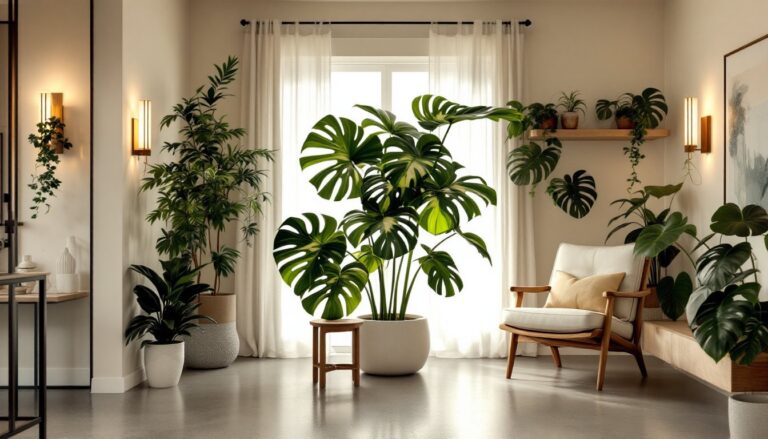
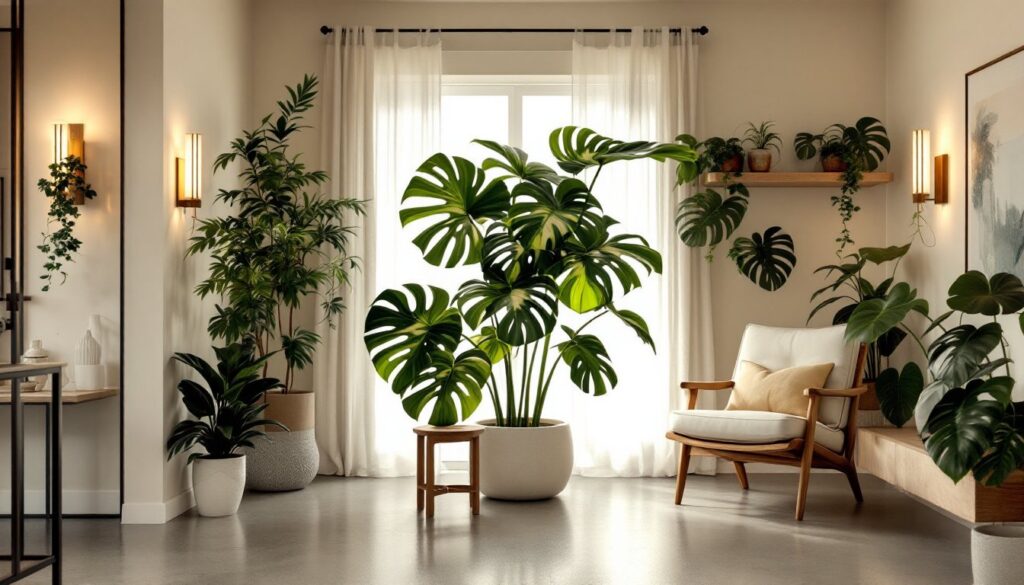
The Monstera deliciosa ‘Variegata’, often called the “white variegated Monstera”, is perhaps the most famous luxury house plant alive. Pictures flood Instagram with these striking specimens displaying large, deeply fenestrated leaves with white or cream patches. Prices for a mature plant regularly hit $1,000 to $3,000, and rare specimens with exceptional variegation patterns have sold for well over $5,000.
What makes it so expensive? First, the variegation is unstable. A “white Monstera” might produce solid green leaves on new growth, meaning growers can’t clone a plant and guarantee 100% variegated offspring. This randomness limits supply dramatically. Second, the market demand is enormous. Designers and collectors worldwide want one, but only a few thousand exist globally.
The Monstera Obliqua is even pricier. This species is far rarer in cultivation than the deliciosa, and variegated specimens are extraordinary. A single plant can cost $4,000 to $10,000. Some sources report authenticated Obliqua specimens fetching ridiculously expensive indoor plants explained at five figures or more.
Variegated Monsteras aren’t just rare, they’re recognizable status symbols. Unlike a $1,500 abstract painting, a living Monstera serves as conversation, proof of commitment to plant care, and a visible investment. The price reflects that psychology as much as the rarity itself.
The Saffron Crocus and Other Rare Botanical Treasures
Beyond trendy variegated plants, several other specimens command luxury prices for entirely different reasons. The Saffron Crocus (Crocus sativus), technically a bulb rather than a traditional house plant, can cost $5 to $10 per bulb or more. Why? Each flower produces only three tiny red stigmas, the source of saffron spice. Harvesting is labor-intensive, making saffron the world’s most expensive spice by weight. Growing it indoors as a novelty costs serious money for minimal return, but collectors love the idea.
The Hoya Obscura Halimeda is another high-ticket item, with specimens regularly priced between $800 and $2,000. It’s a hothouse rarity from New Guinea, slow-growing, and rarely available outside specialty collectors’ networks. Its delicate waxy flowers and unusual leaf shape attract plant nerds willing to pay.
Rhaphidophora Tetrasperma, sometimes called “mini monstera”, has climbed in price as demand surged during the pandemic plant boom. Young plants cost $50 to $100, but mature specimens with multiple vining stems command $500 or more. The scarcity stems from slow propagation rates and limited wild habitat.
Philodendron species like the Philodendron White Princess or Pink Princess occupy a mid-tier luxury category, ranging from $100 to $800 depending on size and variegation quality. None are as pricey as top-tier Monsteras, but they represent the luxury segment’s breadth. Collectors don’t just chase one holy grail, they build themed collections of rare, unusual foliage plants.
Caring for High-Value House Plants: Protection and Maintenance Tips
Creating Optimal Growing Conditions
Owning a $2,000 plant means the stakes are high, you can’t afford careless watering or inadequate light. Variegated Monsteras, for instance, need bright, indirect light to maintain their white patterns. Direct afternoon sun can scorch leaves: too little light weakens variegation and triggers all-green growth. Position plants 2–4 feet from an east or north-facing window, or use a sheer curtain to filter strong rays.
Watering precision is non-negotiable. Overwatering kills more luxury plants than underwatering. Check soil moisture 1–2 inches down: water only when dry to the touch. Use well-draining potting medium amended with perlite or orchid bark, not standard garden soil. A terracotta pot helps evaporate excess moisture faster than plastic.
Humidity matters for most tropical specimens. Monsteras and Hoyas prefer 50–70% humidity. Mist foliage a few times weekly, or set the pot on a pebble tray filled with water (place the pot on pebbles above the waterline so roots don’t sit in wet soil). In winter, heating systems dry indoor air: a small humidifier nearby helps without creating mold.
Temperature stability prevents stress. Most luxury houseplants tolerate 65–80°F: fluctuations below 55°F can shock them. Keep them away from cold drafts, heating vents, and direct AC output.
Insurance and Documentation for Valuable Plants
If you own a plant worth $3,000 or more, insure it. Homeowner’s or renter’s insurance often covers household items, but expensive plants may need riders or specialized coverage. Document ownership with photos from multiple angles, including any unique features (unusual variegation, size, age). Save receipts or certificates of authenticity from sellers.
Create a plant inventory spreadsheet listing species, size, acquisition date, cost, and seller contact information. Store digital copies in a cloud service: keep one physical copy in a safe place. If theft or damage occurs, this proof accelerates insurance claims.
For breeding stock (plants you intend to propagate and sell), keep detailed growth logs. Record leaf count, variegation patterns, light and humidity levels, and fertilizer schedules. This data increases the plant’s provenance and resale value, collectors trust plants with documented care histories.
Building a Luxury Plant Collection on Any Budget
Not everyone can drop $5,000 on a single specimen. Smart collectors start small and grow strategically. Propagation is your secret weapon: a cutting from a variegated Monstera takes months to root and establish, but a rooted cutting costs $200–$400 versus $1,500+ for a mature plant. Patience pays dividends.
Network within plant communities online. Facebook groups, Reddit communities like r/RareHouseplants, and Instagram plant enthusiast pages connect you with propagators and collectors willing to sell cuttings or smaller specimens at lower prices. Many growers offer payment plans or trades.
Focus on one category initially. Some collectors specialize in variegated Aroids (Monsteras, Philodendrons, Syngoniums). Others focus on Hoyas or Succulents. Depth in one niche costs less than breadth across many categories, and expertise builds faster.
Timing matters too. Buy during off-peak seasons (summer and fall) when growers have more stock and prices soften. Winter and spring see demand spikes as people decorate for the season.
Consider less-hyped but equally rare species. Not everything that costs $500+ is Instagram-famous. Houses plants that like direct sunlight or common succulent house plants may offer aesthetic appeal and rarity without the Monstera premium. Building a diverse collection often feels more rewarding than chasing a single white whale.
Grow what you actually love, not what you think you should own. The most expensive plants demand consistent care and attention. If a plant doesn’t excite you enough to water it faithfully and troubleshoot problems, it’s a waste of money no matter the price tag.