Table of Contents
ToggleDark corners, interior bedrooms, and windowless offices don’t have to stay barren. Low-light plants prove that greenery thrives indoors without direct sunlight, bringing life to spaces most people assume are lost causes. Whether you’re dealing with a basement rec room, a hallway corner, or a bathroom with no windows, house plants that don’t need light offer a practical solution for adding color, texture, and clean air to any room. Unlike finicky shade-lovers, these hardy varieties are forgiving of neglect and thrive on minimal attention, making them ideal for busy homeowners and first-time plant owners alike.
Key Takeaways
- House plants that don’t need light like pothos, philodendrons, snake plants, and ZZ plants thrive in low-light environments such as basements, hallways, and offices without direct sunlight.
- Low-light plants improve indoor air quality by filtering toxins and reducing stress while requiring minimal maintenance—less frequent watering, slower growth, and tolerance for irregular care routines.
- The most common mistake with low-light houseplants is overwatering; check soil moisture 1–2 inches deep and water only when dry, as reduced light means slower growth and lower water demand.
- Use pots with drainage holes sized just 1–2 inches larger than the root ball to prevent root rot, the single biggest cause of houseplant failure in indoor spaces.
- Low-light plants benefit from ambient room lighting (overhead fixtures, lamps, or fluorescent panels) and don’t require expensive grow lights; simple LED bulbs rated at 5000K color temperature work well.
- Regular care basics like feeding sparingly every 4–6 weeks during growing season, maintaining temperatures between 65–75°F, and quarterly rotation keep low-light plants looking healthy and balanced.
Why Low-Light Plants Are Perfect For Modern Homes
Modern homes often feature open layouts, interior walls, and compact spaces that don’t get direct sun exposure. Office spaces, basements, and bedrooms tucked away from windows create genuine growing challenges. Low-light plants solve this problem without requiring expensive grow lights or complicated setups. They’re practical for renters who can’t install special lighting, and they work well in commercial settings like reception areas or hallways.
Beyond aesthetics, these plants improve indoor air quality by filtering toxins and producing oxygen. Studies show that having greenery indoors, even in dim spaces, boosts mood and reduces stress. The key advantage is simplicity: low-light varieties need less frequent watering, grow more slowly (meaning less pruning), and tolerate irregular care routines. For homeowners juggling work and family, that reliability is gold.
Top Low-Light House Plants That Thrive Indoors
Choosing the right plant depends on the specific light conditions, available space, and your maintenance preferences. The plants listed here all tolerate low-light conditions and bounce back from occasional neglect, a realistic expectation for most households.
Pothos and Philodendrons: The Easiest Beginners’ Plants
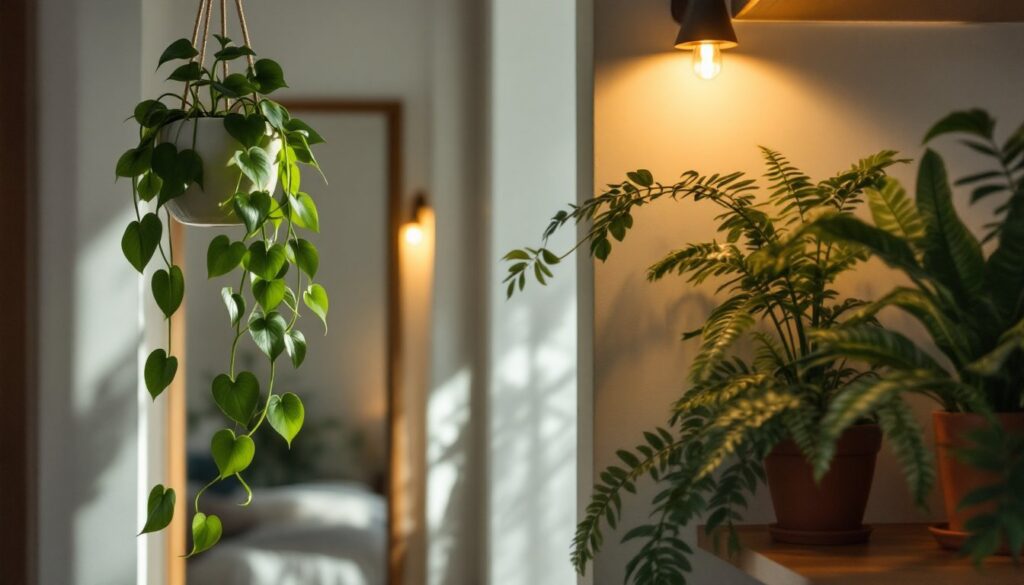
Pothos (also called Devil’s Ivy) and Philodendrons are nearly indestructible and perfect for anyone starting their plant journey. Both have heart-shaped leaves and trailing growth habits that work well in hanging baskets or climbing up moss poles. According to research on houseplants that grow without sunlight, pothos can tolerate extremely low light and even fluorescent office lighting. They’re also forgiving about watering, wait until soil dries between waterings, typically every 1–2 weeks depending on temperature and humidity.
The main difference: Pothos develops water-storing nodes and trails more aggressively, while Philodendrons tend to be more compact and slower-growing. Both can adapt to bright indirect light too, so they’re versatile if you later move them. Keep pothos away from pets and small children, as all parts are toxic if ingested.
Snake Plants and ZZ Plants: Ultra-Hardy Options
Snake plants (Sansevieria) and ZZ plants (Zamioculcas zamiifolia) are workhorses that tolerate neglect better than almost any houseplant. Snake plants feature tall, architectural leaves in green or variegated patterns and grow slowly even in low light. ZZ plants have glossy, compound leaflets and a sculptural form that adds visual interest to dark corners. Both can go weeks without water, making them ideal for travel-heavy homeowners or anyone prone to forgetfulness.
ZZ plants are particularly tough, they have rhizomes (underground storage organs) that let them survive extended dry periods. Snake plants actually prefer drying out between waterings and are prone to root rot if overwatered. Neither plant needs frequent fertilizing: a balanced, diluted feed once in spring is sufficient. The best low-light houseplants often include snake plants due to their striking appearance and minimal care demands.
Ferns and Cast Iron Plants: Textured Foliage Choices
If you want something beyond the typical trailing vine or structural upright, ferns and cast iron plants offer delicate, layered foliage. Boston ferns and Maidenhair ferns feature feathery fronds that soften a room’s appearance. They do prefer slightly more consistent moisture than snake plants, but they’re still shade-tolerant.
Cast iron plants (Aspidistra elatior) deserve their name, they’re extraordinarily durable and actually perform better in dim light than bright direct sun. Their large, leathery leaves add a bold textural element, and they’re equally at home in a living room or a stairwell landing. Ferns benefit from occasional misting to replicate their natural humid forest understory environment, though it’s not absolutely necessary. Both plants add organic, less-linear interest compared to modern architectural plants.
Essential Care Tips For Low-Light Indoor Plants
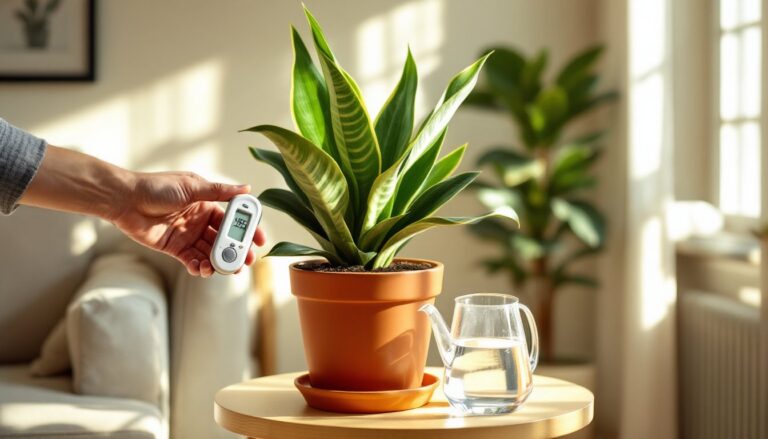
Even tough low-light plants need baseline care to thrive. The most common mistake is overwatering, low light means slower growth and reduced water demand. Check soil moisture by pressing your finger 1–2 inches into the soil: water only when it feels dry at that depth. Room temperature, container drainage, and humidity all factor in, so adjust watering frequency based on your specific conditions rather than following a fixed schedule.
Container choice matters more than many realize. Use pots with drainage holes, never solid ceramic vessels without outlets. Oversized pots trap moisture around roots and encourage rot. A pot just 1–2 inches larger in diameter than the root ball is usually right. Drainage holes and appropriate pot sizing prevent the single biggest cause of houseplant failure.
Light and feeding work differently for low-light plants. While they tolerate dim conditions, they still benefit from the brightest indirect light available in your space, perhaps a few feet from an unobstructed window or under ambient room lighting. Feed sparingly (every 4–6 weeks in growing season, not at all in winter) with a balanced, diluted houseplant fertilizer. Slow growth means reduced nutrient needs, and overfeeding burns foliage tips and encourages leggy growth.
When selecting low-maintenance varieties for your home, consider checking out easiest house plants to keep alive for detailed care guides and additional options. Humidity helps most houseplants, but isn’t essential, group plants together or place them on a pebble tray with shallow water to create a more humid microclimate if leaf tips brown.
Creating the Ideal Environment Without Natural Sunlight
Rooms with zero windows or consistently dark corners can still support low-light plants, though ambient room lighting makes a difference. Kitchens with overhead fixtures, living rooms with lamps, and offices with fluorescent panels all provide enough light for shade-tolerant species to survive. Pothos and philodendrons adapt particularly well to artificial light, they don’t need daylight cycles the way sun-loving plants do.
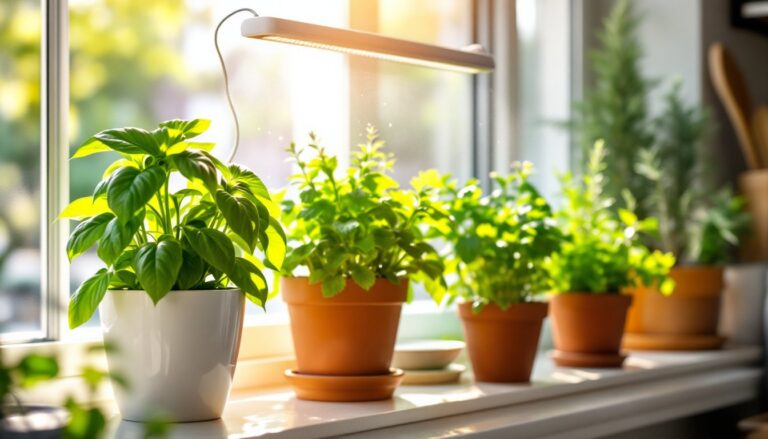
If a room genuinely feels dim to your eye, you have budget-friendly options. Inexpensive LED bulbs rated for “cool white” (5000K color temperature) provide spectrum closer to natural light. Positioning a plant near an existing overhead fixture or desk lamp helps more than people expect. You don’t need expensive grow lights for slow-growing low-light varieties, save those for propagation or if you’re serious about botanical collecting.
Temperature consistency matters in interior spaces. Most low-light houseplants thrive in 65–75°F, which aligns with typical indoor climate control. Avoid placing plants directly above heating vents or near cold drafts. Steady temperatures support steady, reliable growth.
Exploring house plants types and varieties can help you match plants to your specific room conditions and decor. Rotating plants quarterly (moving them slightly toward available light or to different rooms) encourages even growth and prevents them from leaning toward a light source. It’s a simple practice that keeps plants looking balanced and natural.
For comprehensive guidance on setting up and maintaining low-light spaces, The Spruce offers detailed care sheets for specific species and setup ideas. The investment is minimal, a few dollars for soil and a pot, compared to the long-term visual and air-quality payoff. Low-light plants transform overlooked spaces into living, breathing parts of your home without demanding special treatment or expensive equipment.