Table of Contents
ToggleSpider plants are nearly impossible to kill, which is why they’re everywhere from office cubicles to college dorm rooms. But “nearly impossible” isn’t the same as foolproof, and the biggest mistake people make isn’t under-watering: it’s overwatering. Getting the watering schedule right is the difference between a thriving plant with cascading green babies and one with soggy roots that’ll rot faster than you’d expect. The good news? Spider plant watering follows a straightforward pattern once you understand how the plant’s needs shift with the seasons and your home’s environment. Let’s walk through what your spider plant actually needs, when to water it, and how to spot the signs that it’s time to reach for the watering can.
Key Takeaways
- Check the soil with the finger test before watering—water only when the top inch feels dry to the touch to prevent root rot, the most common spider plant problem.
- In spring and summer, water your spider plant about once per week; in fall and winter, reduce frequency to every 10–14 days as growth slows and soil dries more slowly.
- Light, humidity, pot material, and pot size significantly affect how often to water spider plants, so adjust your schedule based on your specific home’s environment rather than following a fixed calendar.
- Use a well-draining potting mix and a pot with drainage holes, then water thoroughly until it flows from the bottom to flush salt buildup and ensure even hydration.
- Yellow or soft leaves and musty-smelling soil signal overwatering and root rot, while brown leaf tips and droopy growth indicate underwatering—both conditions are visible and manageable if caught early.
Understanding Spider Plant Water Needs
Spider plants (Chlorophytum comosum) are succulent-leaning houseplants, meaning they store water in their leaves and roots. This is crucial: they can tolerate drying out between waterings way better than they can tolerate sitting in wet soil. Most spider plant failures come from well-meaning owners who water on a fixed schedule, every Monday, every week, every 10 days, without checking the soil first.
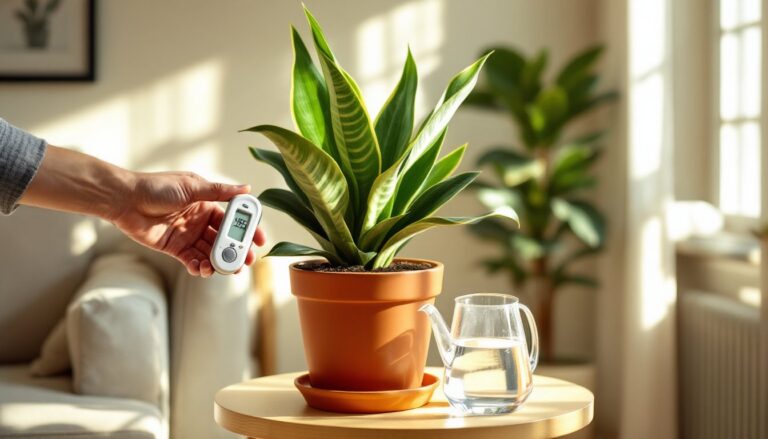
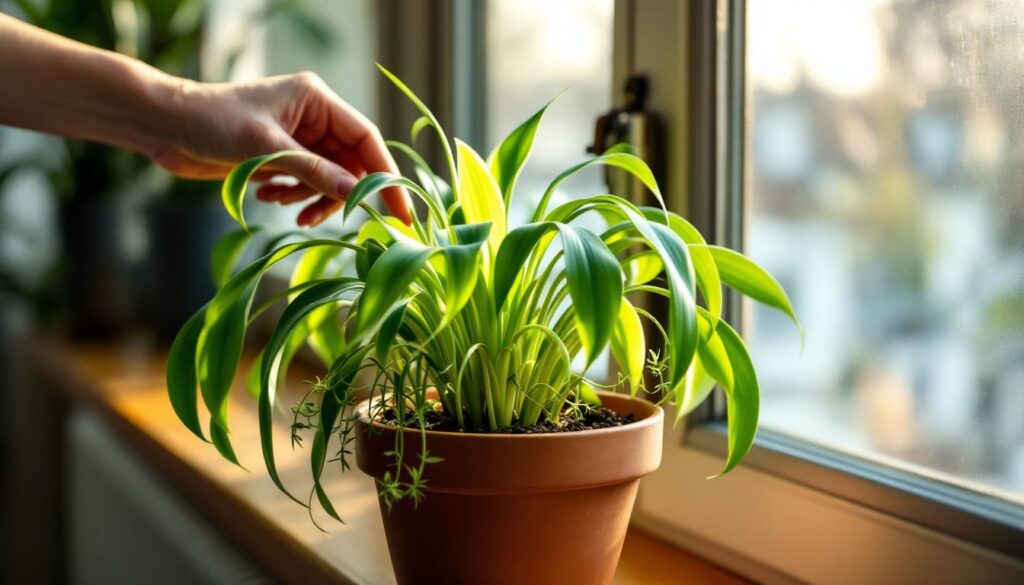
The real rule is simpler: water when the soil is dry to the touch. Stick your index finger into the soil about an inch deep. If it feels moist, skip watering. If it feels dry, water until it drains from the bottom of the pot. This finger test works year-round: the only variable is how long it takes for the soil to dry out, which depends on season, light, humidity, and pot size.
Spider plants prefer soil that’s evenly moist but never soggy. Use a well-draining potting mix (standard indoor plant soil works fine) in a pot with drainage holes. Don’t skimp on drainage, a pot without drainage holes or clogged drainage can trap water and invite root rot. Terracotta pots dry out faster than plastic, so if you’re using plastic, you might water slightly less often.
The Ideal Watering Schedule by Season
Spring and Summer Watering
During spring and summer, spider plants are in active growth mode. Days are longer, temperatures are warmer, and the plant uses water faster. In these months, check the soil every 3 to 5 days. For most people in normal indoor conditions, that translates to watering about once per week, sometimes twice if you’re in a hot, dry climate or near a heat source.
When you water, do it thoroughly: pour water until it flows out the bottom drainage holes. This flushes out any salt buildup in the soil and ensures the roots get evenly hydrated. Don’t let the pot sit in standing water afterward, empty the saucer within 15 minutes. If your spider plant is in a bright window and the soil dries out faster, watering every 5 to 7 days is normal.
Fall and Winter Care
Come fall and winter, growth slows dramatically. Days shorten, temperatures drop, and your plant’s water needs plummet. Soil stays moist longer. You’ll typically water much less, often every 10 to 14 days, sometimes even less if the plant is in a cool room or low-light corner.
The finger test is even more important here. It’s easy to overwater in winter because the soil looks dry on top but might still be moist just below the surface. If you’re unsure, wait another day or two and check again. Underwatering a spider plant in winter causes minimal damage: overwatering can trigger root rot. During winter dormancy, your plant can handle some drying without distress. Conversely, indoor heating can dry out the air, which actually makes leaves curl slightly, but that’s a humidity issue, not necessarily a watering issue (though they’re connected).
Environmental Factors That Affect Watering Frequency
Not all homes are the same, and neither are watering needs. A spider plant in a bright south-facing window dries out faster than one in a dimly lit corner. A plant on a heating vent in January dries out faster than one in a cool, humid bathroom. Understanding these variables helps you fine-tune the schedule.
Light is the biggest factor. More light speeds up photosynthesis and water uptake. A spider plant in bright, indirect light (the ideal location) uses water faster than one in low light. If your plant is in bright conditions, expect to water more frequently, potentially weekly in spring and summer. In low light, the soil stays moist longer, and you might water every 10 to 14 days even in summer.
Humidity and air circulation matter too. Dry indoor air (especially with heating or air conditioning running) speeds up soil drying. Humidity slows it down. A bathroom plant benefits from ambient moisture and might need less frequent watering than one in a dry living room. Conversely, stagnant air can trap moisture around the roots and invite fungal issues.
Pot material affects drainage speed. Terracotta is porous: it allows water to evaporate from the sides, so soil dries faster. Plastic pots retain moisture longer. If you repot your spider plant from terracotta to plastic, you’ll need to water less frequently. Similarly, a plant in a large pot with lots of excess soil will stay moist longer than one in a snug pot.
Soil composition matters too. Spider plant care guides typically recommend standard indoor potting mixes, which are balanced for drainage and water retention. Heavy, dense soil (like garden soil) holds water too long and can suffocate roots. If you’re unsure, repot into a fresh potting mix every 12 to 18 months. According to a comprehensive gardening guide, checking when the top half of the soil feels dry is a reliable indicator across seasons.
Signs Your Spider Plant Needs Water
Learn to read what your plant is telling you. Overwatering causes damage faster than underwatering, but both show visible signs.
Too much water: Leaves turn yellow or soft and translucent: the soil smells musty or sour: the base of the plant feels mushy. These are root rot symptoms. If caught early, stop watering immediately, ensure the pot has drainage, and let the soil dry out. If the rot has spread far into the roots, repotting into fresh soil might save it. Severe cases are sadly past saving, but spider plants are cheap to replace and usually propagate easily from plantlets.
Too little water: Leaves become brown at the tips or edges, feel papery and dry, and the plant looks generally droopy. The soil pulls away from the sides of the pot. This is less immediately dangerous than rot, but persistent underwatering stunts growth. If you see brown tips, increase watering frequency slightly. Spider plants can bounce back from drying out, so don’t panic.
Healthy spider plant signs: Soil is evenly moist (not soggy) a day after watering. Leaves are bright green, firm, and turgid (full of water). The plant produces babies or “plantlets” on long runners, a sign it’s happy and well-watered. Growth is visible from season to season. The Spruce’s home care guides mention that consistent, moderate watering paired with good drainage keeps spider plants thriving with minimal fuss. Brown leaf tips can also result from low humidity or tap water with high mineral content, so if tips brown even though proper watering, mist the leaves occasionally or switch to distilled water.
Conclusion
Watering a spider plant boils down to one simple rule: check the soil, water when it’s dry to the touch, and let drainage happen. In spring and summer, that’s roughly weekly: in fall and winter, stretch it to every 10 to 14 days. Adjust based on light, humidity, pot material, and how fast your specific plant dries out. Pay attention to what your plant tells you, and you’ll get the frequency dialed in. Spider plants are forgiving, they’ll tolerate occasional mistakes, but consistency and good drainage prevent 99% of problems. Start with the seasonal baseline, use the finger test every time, and trust your instincts.