Table of Contents
ToggleHomeowners often overlook a simple solution to indoor air quality: indoor plants for oxygen. While opening a window works in good weather, plants do the job year-round, turning carbon dioxide into fresh oxygen while filtering out common pollutants. Unlike complicated air purifiers that need filters and electricity, the best indoor plants for oxygen grow quietly in corners, on shelves, and in bright windows. They’re also cheaper to maintain and, frankly, nicer to look at. This guide covers seven reliable plants that actually pull their weight in oxygen production and air purification, no green thumb required.
Key Takeaways
- Indoor plants for oxygen provide a natural, low-maintenance solution to improve air quality year-round by absorbing carbon dioxide and filtering VOCs from furniture, carpets, and cleaning products.
- Snake plants are the ideal bedroom choice because they uniquely produce oxygen at night and tolerate low light, infrequent watering, and temperature fluctuations better than most houseplants.
- Pothos and philodendrons excel at removing formaldehyde and other toxins while thriving in low-light offices and bathrooms, though they’re toxic to pets and require placement out of reach.
- Spider plants are the most beginner-friendly option, nearly impossible to kill, non-toxic to pets, and capable of naturally propagating baby plantlets for expanding your indoor garden.
- Success with oxygen-producing plants depends on three fundamentals: bright indirect light, proper watering (only when soil is dry 1 inch down), and pots with drainage holes to prevent overwatering.
- Peace lilies and Boston ferns actively signal their watering needs but require higher humidity (40–60%) and benefit from grouping with other plants, pebble trays, or humidifiers in dry climates.
Why Indoor Plants Matter for Home Air Quality
Indoor air is often 2–5 times more polluted than outdoor air, according to the EPA. Volatile organic compounds (VOCs) like formaldehyde, benzene, and xylene seep from furniture, carpets, and cleaning products. Standard HVAC systems recirculate these toxins rather than removing them entirely.
Plants work differently. During photosynthesis, they absorb carbon dioxide and release oxygen. Simultaneously, soil microbes break down toxins and store them in the plant’s tissues. Studies show that placing several well-chosen plants in a bedroom or living room measurably improves air quality over weeks.
The practical benefit: better sleep, fewer headaches, and a fresher-smelling home without chemical air fresheners. Most indoor plants also add moisture to dry winter air, which helps with respiratory comfort. Unlike devices, plants ask only for occasional water and light, no filters to replace, no energy bills to spike.
Snake Plant: The Oxygen-Producing Powerhouse
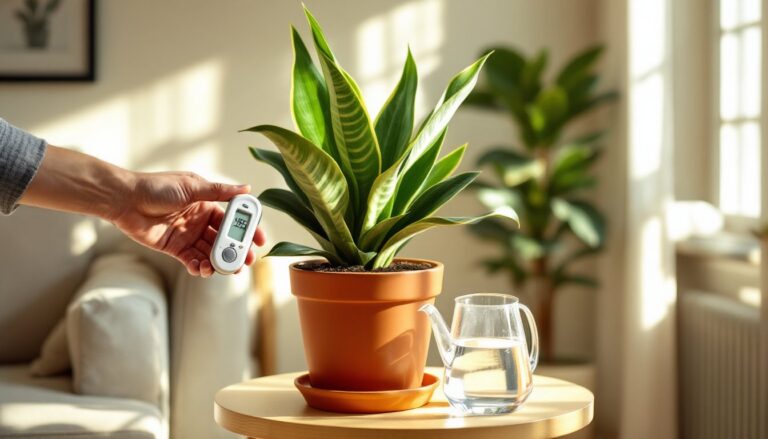
The snake plant (Sansevieria trifasciata) is the closest thing to a set-it-and-forget-it oxygen machine. It produces oxygen at night, unusual for most plants, making it ideal for bedrooms where air refresh matters most.
Snake plants tolerate low light, infrequent watering, and temperature swings that would kill fussier species. They grow slowly but steadily in 6-inch to 10-inch pots and reach 2–4 feet tall depending on variety. Their upright, architectural leaves work well in modern interiors, and they require repotting only every 2–3 years.
Care is minimal: water every 3–4 weeks (or when soil dries out completely), keep out of soggy conditions, and place in indirect light. Direct sun is optional but won’t hurt. The main risk is overwatering, which causes root rot. If leaves turn mushy or translucent, cut back immediately and let the soil dry. Snake plants are nearly indestructible, making them perfect for busy homeowners.
Pothos and Philodendron: Low-Maintenance Air Cleaners
Pothos (Epipremnum aureum) and philodendron are trailing vines that excel at removing formaldehyde and other VOCs. Both grow quickly, filling shelves, hanging baskets, or climbing moss poles with lush green foliage. Pothos performs particularly well at air purification and tolerates low light better than most plants.
These plants need water only when the top inch of soil feels dry, roughly every 7–10 days depending on humidity and season. They adapt to bright indirect light or moderate shade, making them workhorses for offices, bathrooms, and bedrooms. Pinch back new growth occasionally to encourage bushiness, and trim leggy vines to shape them.
Common varieties include golden pothos (yellow variegation) and heartleaf philodendron (solid green, heart-shaped leaves). Both are equally tough. The catch: pothos and philodendrons are toxic to pets if ingested, so place them out of reach of cats and dogs. In return, they forgive neglect and look fuller with less fussing than delicate houseplants.
Spider Plant: Perfect for Beginners
Spider plants (Chlorophytum comosum) are so resilient they’re nearly impossible to kill. They produce oxygen efficiently, tolerate inconsistent watering, and come in variegated varieties with cream or white striping that brighten dim corners.
They grow in clumps 12–18 inches tall and produce long, arching leaves. Mature plants generate dangling runners with baby plantlets, nature’s propagation system. These babies can stay attached or be snipped and rooted in water for new plants. It’s an easy propagation project for learning how plants reproduce.
Water when soil is dry an inch down, provide bright indirect light (though they handle lower light), and they’ll thrive in average humidity. Spider plants are non-toxic to pets, so they’re safe for homes with cats and dogs. They’re also easiest house plants to keep alive for beginners exploring indoor greenery. The only minor issue: brown leaf tips can appear if tap water has high chlorine or fluorine, let tap water sit overnight before watering to minimize this.
Peace Lily and Boston Fern: Humidity-Loving Options
Peace lilies (Spathiphyllum) and Boston ferns (Nephrolepis exaltata) thrive in humid environments and actively signal when they need water, peace lilies visibly droop, making watering timing obvious.
Peace lilies produce white spathes (modified leaves) that resemble flowers and grow 1–3 feet tall depending on variety. They prefer consistent moisture (not soggy) and indirect, moderate light. They’ll tolerate low-light bathrooms or kitchens where humidity naturally stays high. Boston ferns prefer similar conditions: steady moisture, indirect light, and humidity above 50%. Both remove formaldehyde and other toxins effectively.
The trade-off: both plants hate dry air and will develop brown, crispy edges without adequate humidity. In dry climates or heated winter homes, group them with other plants, set them on pebble trays filled with water, or run a humidifier nearby. Boston ferns also need more frequent misting to stay happy. These plants reward attention with lush, oxygen-rich foliage, ideal for living rooms and bedrooms where you spend time.
How to Care for Oxygen-Producing Plants
Success with indoor plants comes down to three fundamentals: light, water, and drainage.
Light: Most oxygen-producing plants need bright, indirect light, a window with a sheer curtain or a spot 3–6 feet from a south- or west-facing window. Low-light tolerant plants like pothos and snake plant can survive further back, but they grow slower. Rotate pots every few weeks so all sides receive equal light, preventing lopsided growth.
Watering: Overwatering kills more indoor plants than underwatering. Check soil moisture before adding water, stick a finger 1 inch into the soil. If it feels wet or moist, wait. If it’s dry, water until it drains from the pot’s bottom. Most indoor plants need water every 7–14 days, but frequency depends on pot size, soil type, and season. In winter, most plants need less water.
Drainage: Use pots with drainage holes and well-draining potting soil (not garden soil, which compacts and holds too much moisture). Repot plants every 12–18 months or when roots circle the drainage hole. Fresh soil replenishes nutrients and improves aeration.
Humidity & Temperature: Most tropical indoor plants prefer 40–60% humidity and temperatures between 60–75°F. Group plants together to create a microclimate. Wipe leaves monthly with a damp cloth to remove dust and improve photosynthesis. Feed with diluted liquid fertilizer every 4–6 weeks during growing season (spring and summer): reduce or stop feeding in fall and winter.
Conclusion
Choosing the right indoor plants for oxygen production doesn’t require expertise, just honest assessment of your light, humidity, and care commitment. Snake plants win for low-maintenance bedrooms. Pothos and philodendrons suit offices and dim corners. Spider plants are beginners’ champions. Peace lilies and Boston ferns demand more attention but reward you with lush growth and reliable air purification. Start with one or two, learn their habits, and expand as confidence grows. Your home’s air quality, and your mood, will thank you.