Table of Contents
ToggleStuck with stale air and boring walls? Indoor air plants might be the solution you’ve been overlooking. These leafy companions don’t just sit there looking pretty, they actively scrub toxins like formaldehyde and benzene right out of your breathing space while adding life to any room. Whether you’re a seasoned plant parent or someone who’s killed every succulent they’ve ever touched, there’s an air-purifying plant that fits your home and skill level. Let’s explore which plants actually deliver on their air-cleaning promises and how to keep them thriving without the headaches.
Key Takeaways
- Indoor air plants actively remove VOCs and toxins like formaldehyde and benzene from your home, with NASA research showing pothos, spider plants, and snake plants can eliminate up to 87% of air toxins in 24 hours.
- Spider plants, pothos, snake plants, and rubber trees are the most effective air-purifying plants for beginners and experienced growers alike, thriving with minimal care and moderate watering.
- Overwatering is the #1 killer of indoor air plants—water only when soil is dry to the touch, typically once weekly in growing season and less frequently for succulents like snake plants.
- Strategic placement of air plants near windows, shelves, bedrooms, and offices maximizes both air purification benefits and aesthetic impact throughout your home.
- Dust buildup on leaves reduces air-purifying effectiveness by 50% or more, so gently wipe foliage monthly and repot every 12–18 months to keep plants thriving and healthy.
Why Indoor Air Plants Matter for Your Home
Here’s the reality: the air inside your home is often two to five times more polluted than outdoor air. Your furniture, carpets, paints, and cleaning supplies off-gas chemicals that build up with no escape route. This is where indoor air plants become your silent allies.
Plants absorb carbon dioxide and release oxygen, that’s basic photosynthesis everyone learned in school. But the real magic happens through their leaves and roots, which filter out volatile organic compounds (VOCs). NASA’s famous clean air study back in 1989 proved that pothos, spider plants, and snake plants could remove up to 87% of air toxins in 24 hours when placed strategically around a room.
Beyond air quality, there’s the mood factor. Studies show that having large indoor house plants in your living space reduces stress, boosts productivity, and makes a room feel more welcoming. You’re essentially getting a dual benefit: fresher air and a décor upgrade without very costly. No wonder more homeowners are ditching the fake plants and going for the real deal.
Top Air-Purifying Plants That Actually Work
Not all houseplants are created equal when it comes to air purification. Some are superstars, while others are pretty but less effective. Here are the heavy hitters that’ll actually make a difference in your home.
Spider Plants and Pothos
Spider plants are the golden retriever of the plant world, hardy, forgiving, and everyone loves them. They remove formaldehyde and xylene (solvents found in many household products) and grow so quickly you’ll be propagating babies within weeks. Stick them in medium to bright indirect light, and water when the soil feels dry. They’re nearly impossible to kill, which makes them perfect for beginners.
Pothos (also called devil’s ivy) is equally bulletproof. This trailing vine grows in almost any light condition, even near your computer or desk lamp. It climbs or cascades depending on how you support it, and it purifies as it goes. Both plants thrive in similar conditions, moderate watering, temperatures between 60–85°F, and indirect light. If your home follows patterns described in house plants types guides, you’ll notice spider plants and pothos listed consistently because they deliver results.
Snake Plants and Rubber Trees
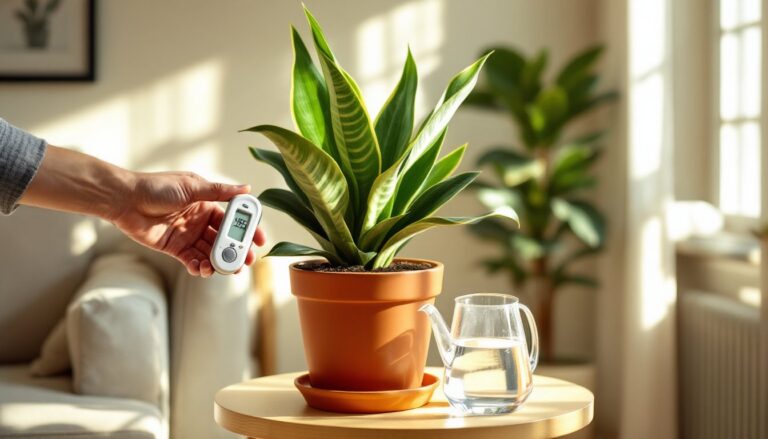
Snake plants (Sansevieria) are the overachievers of air purification. They remove benzene, formaldehyde, trichloroethylene, and xylene, basically the entire Avengers roster of household toxins. The bonus: they’re succulents, so they tolerate neglect like champions. Water sparingly (every 2–3 weeks), keep them in bright light or low light (they adapt), and watch them slowly unfold those architectural leaves.
Rubber trees are showstoppers, glossy, substantial leaves that actually look like they’re doing something. They’re bigger players that fill space faster and remove significant amounts of formaldehyde. They prefer bright, indirect light and moderate watering once the top inch of soil dries out. Both perform well in standard room temperatures and don’t demand constant attention, making them solid choices for realistic homeowners who want results without fussing endlessly.
How to Care for Indoor Air Plants
Keeping air plants alive isn’t rocket science, but it does require understanding their basic needs. Get this right, and you’ll have thriving greenery for years.
Light: Most air-purifying plants do best in bright, indirect light. That means near a window but not baking in direct afternoon sun, which can bleach leaves or cause scorching. Pothos and snake plants tolerate lower light, but they still grow faster with more brightness. If your space gets only dim light, accept that growth will be slower and place plants in what light you have rather than abandoning the project.
Watering: Overwatering kills more houseplants than neglect ever could. For spider plants and pothos, water when the top inch of soil feels dry to the touch, typically once a week in growing season (spring/summer) and every 10–14 days in cooler months. Snake plants and rubber trees want even less: let them dry out more between waterings. Use room-temperature water and empty drainage saucers after 10 minutes to prevent root rot. If you’re growing beginner plant types, err on the side of underwatering, plants bounce back from dry spells faster than waterlogged roots.
Humidity and Temperature: Most indoor air plants adapt to typical home humidity (30–50%), though they appreciate occasional misting. Keep them away from heating vents and AC units, which cause temperature swings and dry conditions. A temperature range of 65–75°F is ideal: most homes hover right there naturally.
Soil and Feeding: Use well-draining potting soil, not garden soil, which compacts indoors. Repot plants when roots circle the drainage hole or growth stalls (usually every 12–18 months). Feed during growing season with diluted liquid fertilizer every 4–6 weeks: there’s no need to fertilize in winter when plants rest. Choose a balanced fertilizer like 10-10-10 NPK to avoid burning roots.
Creative Ways to Display Air Plants in Your Home
Where you place your air plants matters as much as how you care for them. Strategic placement maximizes air purification while turning plants into design features, not afterthoughts.
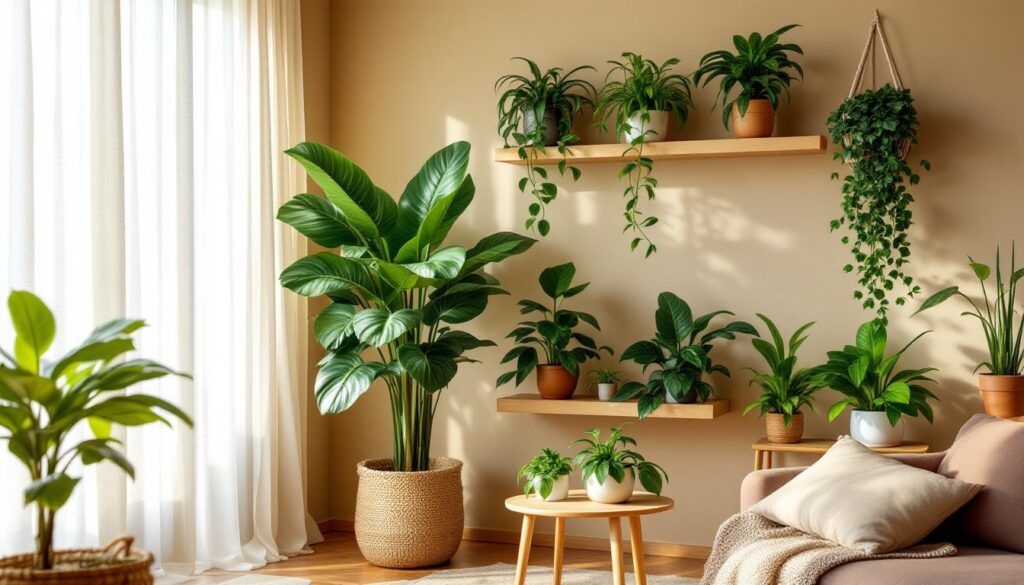
Shelving and Wall Mounts: Floating shelves let you create tiered plant displays near windows or bright walls. Group plants at varying heights for visual interest, taller snake plants in back, trailing pothos spilling forward. Wall-mounted planters and macramé hangers turn plants into art: they’re practical air filters that also fill blank wall space without eating floor area.
Corners and Entryways: Corners are often wasted space, but a large pothos or rubber tree transforms them into focal points. Entryways are ideal because you’re literally walking past plants daily, maximizing your exposure to improved air quality.
Bedroom and Office Spaces: Place spider plants or pothos on nightstands or desk shelves to clean air where you spend the most time breathing. Their low-toxicity means they’re safe around pets and kids, making them smart bedroom choices. Near house plants that like direct sunlight, consider positioning sheer curtains to filter harsh rays while keeping light strong enough for photosynthesis.
Hanging Baskets: Pothos thrives in hanging planters, creating a cascade of vines that cleans air at multiple levels. It’s a space-efficient way to add volume without cluttering surfaces, especially in smaller rooms where floor space is precious.
Common Mistakes to Avoid When Growing Indoor Air Plants
Even experienced plant parents stumble on basics. Here’s what trips people up most, and how to sidestep these traps.
Overwatering (Again, Really): This deserves emphasis because it’s the #1 killer. Your instinct is to nurture, but plants don’t see daily watering as love, they see it as slow drowning. Stick your finger in the soil: if it feels moist, wait. If it’s dry, water thoroughly until it drains out the bottom, then dump the saucer. Set a reminder for once weekly and adjust based on seasons and humidity, not a rigid schedule.
Ignoring Drainage: Never place a plant directly in a decorative pot without a drainage hole inside it. The pot must have holes, even if it sits inside a pretty cachepot. Blocked drainage suffocates roots within days.
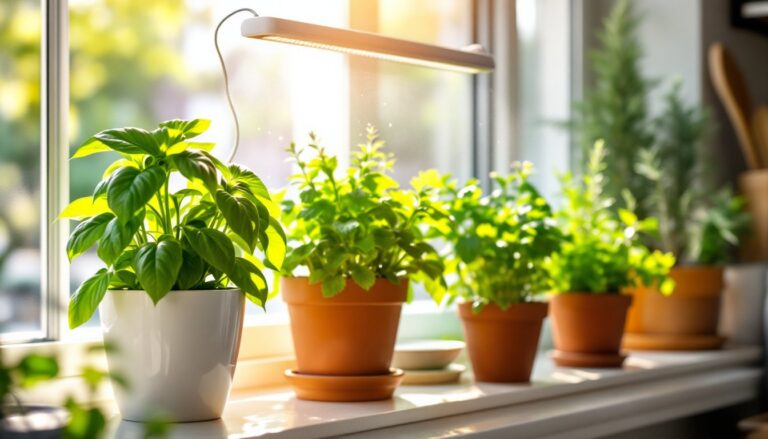
Poor Lighting Choices: Don’t put a spider plant two feet from a north-facing window and expect explosions of growth. Be honest about your light. If it’s genuinely low, choose shade-tolerant plants or supplement with a basic grow light ($15–40). Plants in insufficient light become weak, stretch toward light sources unnaturally, and stop purifying effectively.
Forgetting About Dust: Dust on leaves clogs pores and reduces the plant’s air-purifying ability by half or more. Wipe leaves gently with a soft, damp cloth monthly. It takes five minutes and dramatically improves performance. According to insights from air plant care guides, keeping foliage clean is often overlooked but essential.
Cramped Spacing: Plants need air circulation. Don’t squeeze five pots into a corner: spread them around the room for better air quality distribution and healthier foliage (less fungal issues). Space plants so leaves don’t touch walls or each other.
Skipping Repotting: Every 12–18 months, check if roots are rootbound (circling tightly at drainage holes). Plants in too-small pots dry out faster, stall in growth, and stress easily. Moving up one pot size (e.g., 6-inch to 8-inch diameter) gives roots room to expand without unnecessary extra soil that holds too much moisture.