Table of Contents
ToggleSending a funeral plant is a time-honored way to express sympathy and support during a difficult time. Unlike cut flowers that fade within days, indoor funeral plants offer lasting comfort and a living reminder of your thoughtfulness. They transition seamlessly from the funeral service into a permanent part of the home, growing stronger as the grieving family moves forward. Whether you’re selecting a plant to send, caring for one you’ve received, or creating a memorial display, understanding which indoor funeral plants work best, and how to maintain them, ensures your gesture remains meaningful for months and years to come.
Key Takeaways
- Indoor funeral plants offer lasting comfort beyond cut flowers, serving as living reminders of sympathy that grow stronger as grieving families heal.
- Peace lilies, pothos, and philodendrons are ideal indoor funeral plants because they tolerate low light, irregular watering, and require minimal maintenance during difficult times.
- Proper care for funeral plants requires only consistent watering (soil moist, not soggy), medium indirect light, and room temperature between 65–75°F, with overwatering being the most common mistake.
- Memorial plant displays gain visual impact by grouping similar heights, mixing textures, and assigning one weekly watering day to prevent neglect and overwatering.
- Creating a labeled memorial garden with multiple indoor funeral plants transforms individual sympathy gestures into a documented expression of community support that lasts for years.
Why Indoor Plants Make Thoughtful Funeral Gifts
Cut flowers are traditional, but they’re temporary. A funeral plant is different, it’s a living thing that requires care, presence, and attention. This simple fact transforms it from decoration into a tangible act of remembrance.
When grieving families are overwhelmed, a sturdy potted plant sitting on a windowsill or table serves as a quiet companion. It doesn’t demand much, but it asks to be watered, moved to better light, and tended to. That gentle rhythm of care can be grounding during overwhelming weeks. It’s also a conversation piece: visitors notice it, ask about it, and the bereaved person can share stories connected to it.
Funeral plants also symbolize renewal and hope. Palms represent eternal life in many traditions, while pothos and philodendrons represent endurance and strength. The act of nurturing a plant mirrors the healing process itself, slow, steady, and eventually restorative. Unlike flowers that drop petals, these plants persist, grow, and improve the home’s air quality while they’re at it.
Best Indoor Plants For Funeral Arrangements and Condolences
Lilies, Roses, and Classic Sympathy Blooms
Traditional sympathy arrangements often center on specific flowers, each carrying its own meaning. White lilies are the gold standard, they symbolize purity, rebirth, and the majesty of the departed. Peace lilies (Spathiphyllum) are technically foliage plants with white blooms and thrive indoors with minimal fuss. They tolerate low light and irregular watering, making them forgiving choices for homes in transition.
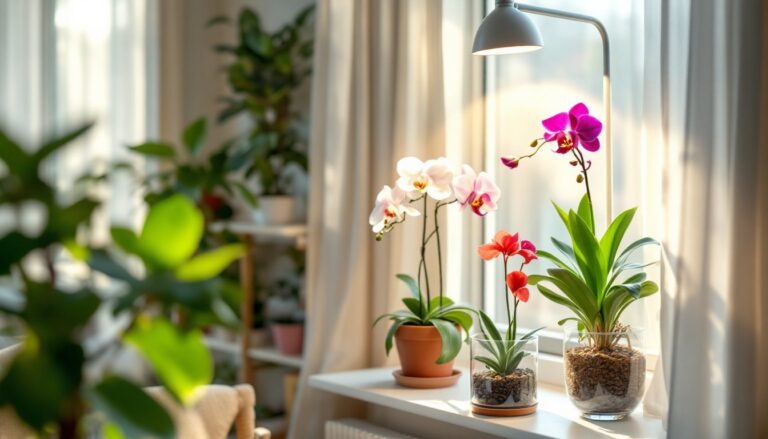
Roses, particularly white and pale pink varieties, convey respect and gratitude. If someone sends a potted rose plant rather than cut stems, it’ll last far longer. Orchids in white or pale orchid shades are another elegant option, they’re long-blooming and signal strength and beauty enduring through hardship.
Gladiolus, though often associated with funerals, are being reconsidered by modern florists for their heirloom varieties and symbolic rebirth, offering a fresh take on traditional sympathy flowers.
Long-Lasting Potted Plants For Home Display
For someone genuinely wanting a plant to live in the home long-term, consider these hardy indoor options. Pothos (devil’s ivy) is nearly indestructible, it tolerates neglect, low light, and irregular watering. Its trailing vines can soften a room and grow for years with minimal intervention. Philodendron works much the same way, with larger heart-shaped leaves.
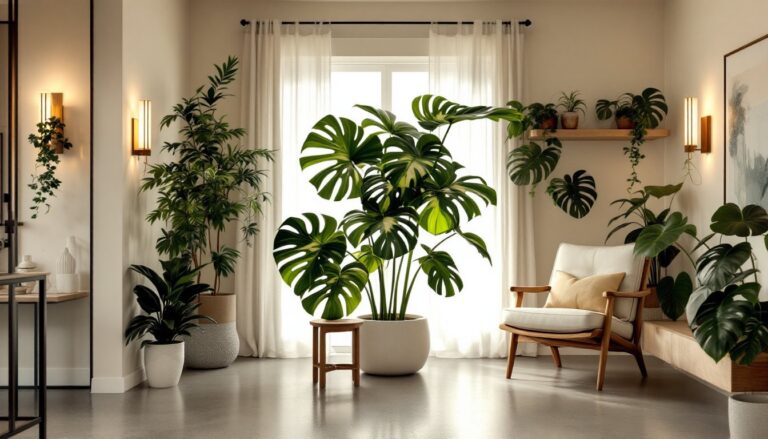
Dracaena varieties, especially mass cane and corn plant cultivars, bring height and architectural interest. They’re slow-growing but steady, fitting both formal and casual spaces. Snake plants (Sansevieria) are sculptural and thrive on neglect: their vertical lines work in modern interiors.
For lighter spaces, a prayer plant (Maranta) or calathea adds texture with patterned foliage and doesn’t need direct sun. If the bereaved family has a bright, sunny spot, a pothos in direct sunlight or a low-maintenance succulent like jade plant are excellent choices. Many of these align with the broader category of easiest house plants to keep alive, ensuring long-term success even in homes where grief might otherwise lead to neglect.
How To Care For Funeral Plants at Home
Receiving a funeral plant isn’t an obligation to become an expert gardener overnight. Simple, consistent care ensures it thrives without stress.
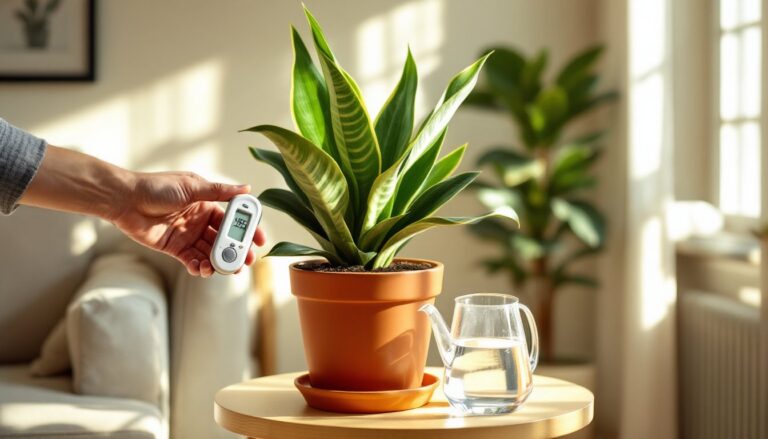
Watering is the most critical task. Most tropical indoor plants prefer soil that’s moist but not soggy. Stick a finger 1–2 inches into the soil: if it feels dry, water until it drains from the bottom. Many funeral plants are forgiving of occasional drying out. Overwatering is far more common and damaging than underwatering. A typical schedule is once per week, but timing depends on humidity, season, and pot size, in winter, plants need less water than in summer.
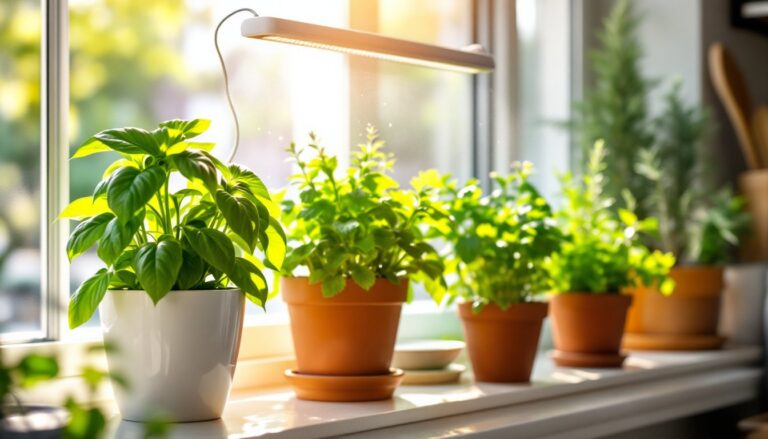
Light comes second. Most sympathy plants tolerate medium indirect light. A north-facing window, a spot a few feet from a south-facing window, or even an interior room with ambient daylight will work. Avoid placing them directly in harsh afternoon sun unless they’re proven sun-lovers. If a plant looks pale or leggy (long stems with few leaves), it’s signaling it wants more light: move it closer to a window.
Humidity and temperature matter but don’t require fussing. Room temperature between 65–75°F suits most indoor funeral plants. If your home is dry, especially in winter, mist the foliage occasionally or place the pot on a saucer with pebbles and a little water (the pot sits on the pebbles, not in water). This raises humidity without creating root rot.
Pot drainage is non-negotiable. Ensure the original pot has a drainage hole. If it comes in a decorative pot without drainage, repot it into one with holes, then place that pot inside the decorative one. Standing water kills roots faster than anything else. Watch for common issues like gnats in house plants, which thrive in soggy soil, keeping the plant appropriately moist prevents infestations.
Fertilizing can wait. Funeral plants arrive already established. A light feeding during growing season (spring and summer) with a balanced, diluted houseplant fertilizer is enough. Skip it in fall and winter when growth naturally slows.
Creating a Memorial Plant Display
A single funeral plant is meaningful: grouping several creates a living memorial garden that becomes part of the home’s identity.
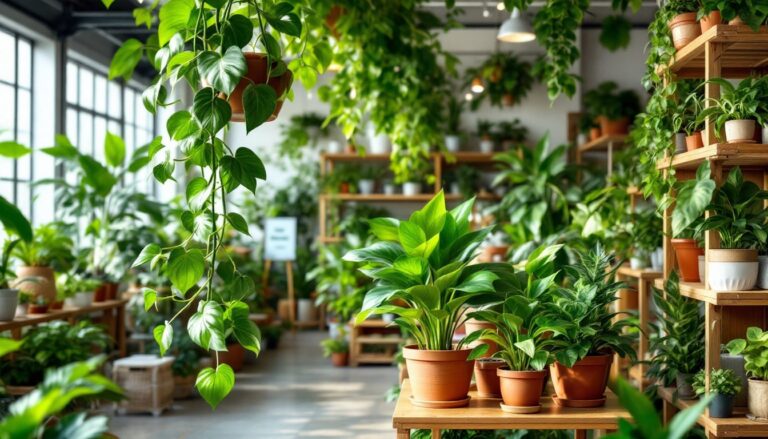
Start by choosing a focal location, a windowsill, side table, or shelf that’s both visible and easy to access for watering. Good light is important. If that spot receives indirect light, opt for shade-tolerant plants like pothos or peace lily. If it’s bright, consider plants from the most common house plants that need more sun, like calathea or snake plant.
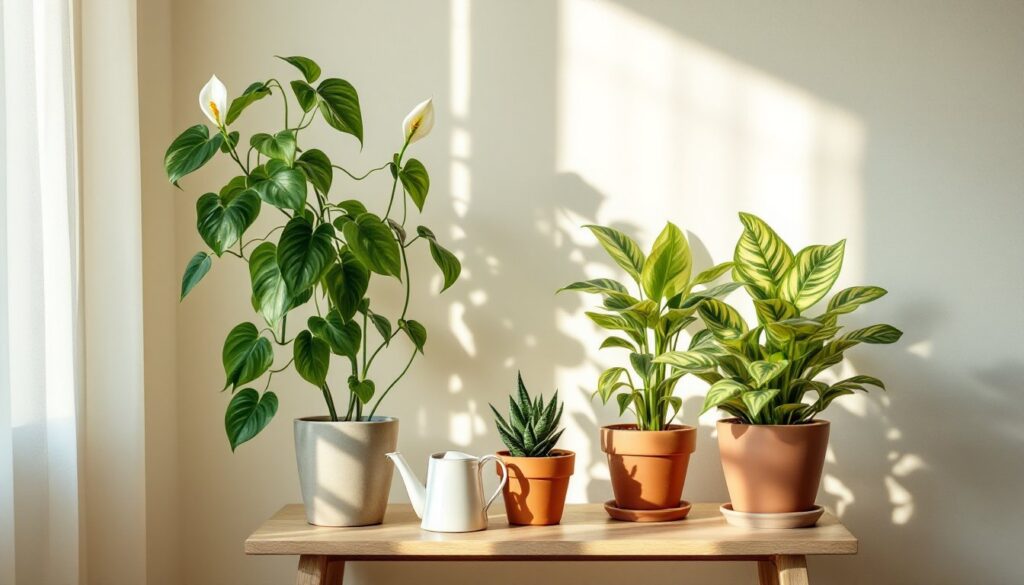
Group similar-sized pots to create visual cohesion, or vary heights using plant stands or shelves to avoid a flat, monotonous look. Mix plant textures, pair trailing pothos with upright dracaena, or add a delicate prayer plant beside a bold snake plant.
Consistent care matters more when plants are grouped. Check soil moisture twice weekly, rotate plants quarterly to prevent uneven growth, and wipe foliage occasionally to keep leaves clean and photosynthesis efficient. Dust accumulates faster on grouped plants, so a soft, damp cloth every few weeks pays off.
Create a watering routine. Pick one day each week, say, Sunday morning, to water and check all memorial plants at once. This prevents overwatering and ensures nothing gets forgotten. A simple watering can kept nearby makes the task easier.
Consider labeling plants with the giver’s name or the person being remembered if multiple plants arrive over time. This personalization transforms the display from decoration into a documented expression of community support. Many inspiration ideas for arranging indoor plants come from resources like Better Homes & Gardens, which offers seasonal home improvement and decorating guidance that extends to plant displays.
Conclusion
Indoor funeral plants bridge the gap between immediate sympathy gestures and lasting memory. They’re practical, meaningful, and genuinely beautiful. Whether a single peace lily or a curated collection of pothos and dracaena, these plants remind grieving families that they’re surrounded by care and support. With basic watering, decent light, and occasional attention, a funeral plant grows quietly in a home for years, a living testament to thoughtfulness when it’s needed most.