Table of Contents
ToggleGrowing cannabis at home has become increasingly accessible in states where it’s legal, and many first-time cultivators underestimate the importance of a solid watering routine. Unlike typical houseplants, weed plants are surprisingly particular about moisture levels, too much water invites root rot and mold, while too little stresses the plant and reduces yield. Getting watering right is one of the most straightforward ways to set yourself up for success, whether you’re growing indoors under lights or outdoors in your garden. This guide walks you through the fundamentals of watering frequency, what conditions affect your plants’ thirst, and how to spot problems before they become disasters.
Key Takeaways
- Water weed plants thoroughly until soil drains, then let it dry slightly before the next watering—this cycle promotes strong root development and prevents root rot.
- How often to water weed plants depends on soil composition, container size, temperature, humidity, and growth stage; check soil moisture by lifting the pot or poking your finger 1–2 inches deep rather than following a fixed schedule.
- Young seedlings need just 1–2 tablespoons every few days, while mature flowering plants can drink a half-gallon or more per watering, with peak water demand during weeks 4–8 of flowering.
- Adjust watering frequency seasonally: outdoor plants need daily or every-other-day watering during spring and summer, while fall and winter require reduced frequency as growth naturally slows.
- Common mistakes include rigid watering schedules, overwatering seedlings, using cold water, and watering foliage instead of soil—all of which invite disease and root problems.
- The pot weight test is more reliable than calendars: lift your pot after watering to feel how heavy it is, then compare again in 1–2 days when it feels noticeably lighter—time to water.
Understanding Your Weed Plant’s Water Needs
Cannabis plants are roughly 50–75% water by weight, so hydration is essential, but the goal isn’t to keep soil perpetually soggy. Instead, you’re aiming for a moist-but-well-draining balance where roots access water and oxygen in the pore spaces between soil particles.
Young seedlings and clones need less water than mature vegetative and flowering plants because their root systems are smaller and less developed. A seedling in a small 2-inch starter cup might need just 1–2 tablespoons of water every few days, while a mature plant in a 5-gallon pot can drink a half-gallon or more per watering. The rule of thumb: water thoroughly until some drains from the bottom, then let the soil dry out slightly before watering again.
This cycle of wet-then-slightly-dry encourages roots to search downward for moisture, promoting deeper, stronger root development. If soil stays waterlogged, roots can’t access oxygen and begin to rot, leading to slow growth, yellowing leaves, and fungal problems that are hard to reverse.
Factors That Affect Watering Frequency
Several practical variables determine how often your plants actually need water. Soil composition matters enormously: a heavy clay-based mix holds water longer than a light, perlite-heavy mix. Most experienced growers use a well-draining blend of peat moss or coco coir (60–70%), perlite (20–30%), and compost (10%), this ratio drains quickly after watering while still retaining enough moisture for root uptake.
Container size directly impacts watering frequency. A plant in a 2-gallon pot will dry out 2–3 times faster than one in a 5-gallon pot. Larger containers hold more soil and moisture, so you water less often but with larger volumes.
Air temperature and humidity are critical. Warm, dry air (75–85°F indoors, higher outdoors in direct sun) causes soil to dry faster. In cool, humid conditions (55–65°F), the same soil might stay moist for twice as long. If you’re growing indoors under lights, proximity to the light source affects temperature around the plant.
Growth stage plays a role too. Young vegetative plants with few leaves need less water than flowering plants with dense foliage that transpires moisture constantly. Once flowering, plants can drink significantly more, especially in weeks 4–8 when bud development peaks.
Better Homes & Gardens covers garden planning strategies that extend to watering calendars, which can help you track these variables over time.
Seasonal Watering Schedules
Spring and Summer Watering Guidelines
During the active growing season (spring through early fall), outdoor plants in full sun and warm temperatures need frequent watering, often daily or every other day once they reach mid-vegetative stage. Check soil moisture by poking your index finger 1–2 inches into the soil: if it feels dry at that depth, it’s time to water.
Indoor plants under lights follow a similar cadence depending on light intensity and air circulation. High-output LED or HPS lights (400W+) can warm the canopy, speeding evaporation, so you may water every 1–2 days. Weaker lights or cooler setups might stretch watering to every 2–3 days.
During the flowering phase, plants’ water demand peaks. Depending on your setup, you might water once daily or split waterings into two smaller sessions (morning and late afternoon) to prevent sudden swings in soil moisture. Pay close attention: buds need consistent hydration to develop properly, but overwatering at this stage is a common cause of powdery mildew and bud rot.
The Spruce provides detailed gardening guides covering seasonal plant care that parallels cannabis cultivation principles.
Fall and Winter Watering Adjustments
As daylight shortens and temperatures drop, plant growth naturally slows. Outdoor plants in late fall require less frequent watering, maybe 2–3 times per week if there’s no rain. If you’re pulling plants before the first frost (most growers do), you’ll be wrapping up soon.
Indoor plants under a 12/12 light cycle (flowering) in cooler rooms use water more slowly than in vegetative phase. You’ll likely water every 2–3 days instead of daily. The key is to monitor and adjust: a plant finishing its final 2 weeks of flowering may drink noticeably less as it approaches harvest.
If you’re attempting winter outdoor grows in mild climates, remember that cold soil is less water-absorbent and wet soil is more prone to freezing damage and mold. Reduce frequency and water early in the day so foliage dries before nighttime temperatures drop.
Signs Your Weed Plant Needs Water
The most reliable indicator is the weight and feel of the pot. Lift it after a full watering, notice how heavy it is. A day or two later, lift it again and compare. When it feels noticeably lighter, it’s time to water. This simple check beats any rigid schedule because it accounts for your specific environment.
Leaf appearance also signals trouble. Underwatered plants develop dull, slightly droopy leaves with a subtle curl to the margins. The leaf surface may look papery or matte rather than vibrant and glossy. If you catch this early and water thoroughly, the plant recovers within 2–4 hours.
Overwatered plants show different symptoms: leaves turn yellowish or have a dark, waterlogged appearance, and the overall texture feels floppy or limp. You might also detect a musty or ammonia-like smell from the soil, a sign of anaerobic (oxygen-starved) conditions and the start of root problems.
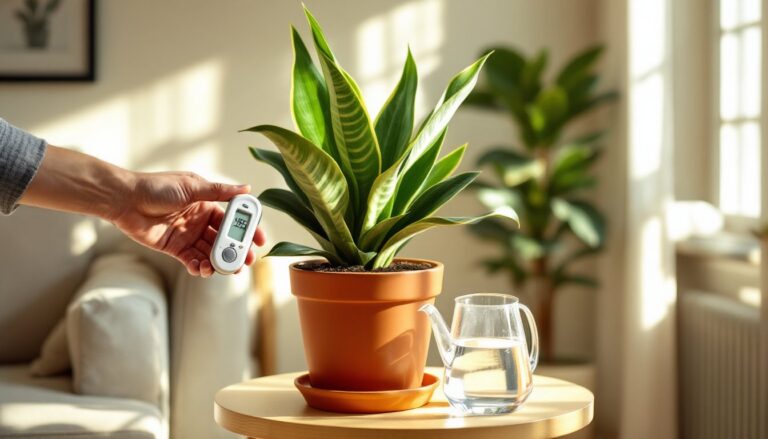
Soil moisture meters (available at any garden center for $10–20) remove the guesswork if you’re skeptical of the finger-poke method. Stick one into the soil: most have a simple dial or digital readout that tells you if it’s dry, moist, or wet. Aim to water when the meter reads “dry” to “barely moist.”
Gardenista’s garden design and plant care resources include insights on environmental monitoring that apply well to home cultivation setups.
Common Watering Mistakes to Avoid
Watering on a fixed schedule is the #1 pitfall. Calendars don’t account for weather, humidity swings, or your plant’s changing size and life stage. A plant that needs water every 2 days in June might need it every 4–5 days in a cooler October. Always check the soil and pot weight first.
Overwatering seedlings and clones is surprisingly easy. These young plants have minimal root mass and sit in small containers, so they need much less water than mature plants. Use a spray bottle or small cup, drench waterings designed for larger plants will rot delicate roots. Let the surface dry noticeably between waterings.
Using cold water straight from a well, hose, or tap can shock roots, especially in warm environments. If possible, let water sit at room temperature for a few hours or overnight before use. This is particularly important indoors, where temperature swings are unnatural.
Watering the foliage instead of the soil wastes water, encourages leaf diseases (especially under lights when foliage doesn’t dry quickly), and doesn’t hydrate roots where it matters. Direct water to the base of the plant. If you do wet leaves accidentally, ensure fans or air circulation dry them within an hour.
Ignoring drainage holes is a silent killer. Pots must have holes in the bottom: standing water with no drainage leads to root rot every time. If using decorative pots without holes, nest a draining pot inside or drill holes yourself.
Changing your setup drastically without adjusting watering is a trap. If you swap from a dim corner to a bright window, or move plants closer to an indoor light, they’ll dry faster. Monitor closely for the first week and adjust frequency upward if needed.