Table of Contents
ToggleNobody wants to stare at a blank green corner from November through March. If you’re looking for indoor flowering plants that actually deliver blooms across all seasons, not just spring, you’ve come to the right place. Year-round flowering plants are the real MVPs of indoor gardening: they brighten your space, boost mood, and prove that a little planning beats crossing your fingers every winter. This guide walks you through seven proven bloomers and the care strategies that keep them flowering when everything outside is dormant.
Key Takeaways
- Indoor flowering plants like orchids, anthuriums, African violets, and begonias deliver year-round blooms when given proper light, temperature, and humidity conditions.
- Orchids rebloom multiple times yearly when you remove spent flower stems above a node and avoid overwatering—the most common reason orchid care fails.
- Anthuriums and African violets require bright, indirect light and consistent moisture to produce new flowers every few weeks, making them reliable year-round bloomers.
- Proper humidity (40-60% relative humidity) dramatically boosts flowering; use pebble trays or group plants together to create a humid microclimate in dry homes.
- Most indoor flowering plants thrive with 10-14 hours of daily bright, indirect light and stable temperatures between 65–80°F, avoiding cold drafts and sudden temperature swings.
- During the growing season, fertilize every two to four weeks with diluted, balanced formula, but reduce feeding in winter when growth naturally slows to encourage flowering rather than excessive foliage.
Orchids: Elegant Bloomers With Extended Flowering Seasons
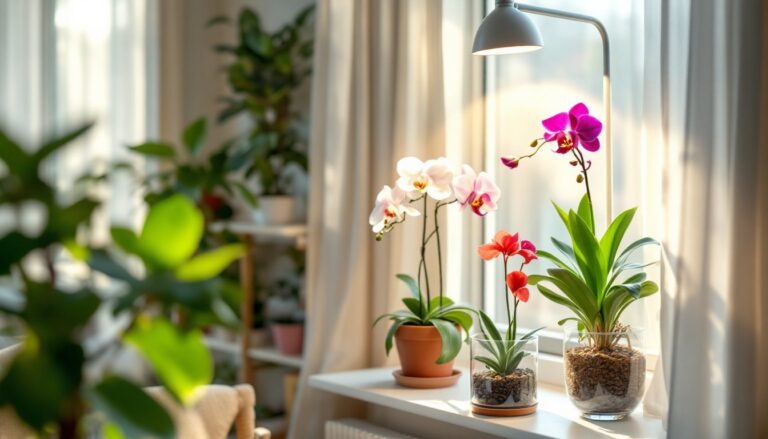
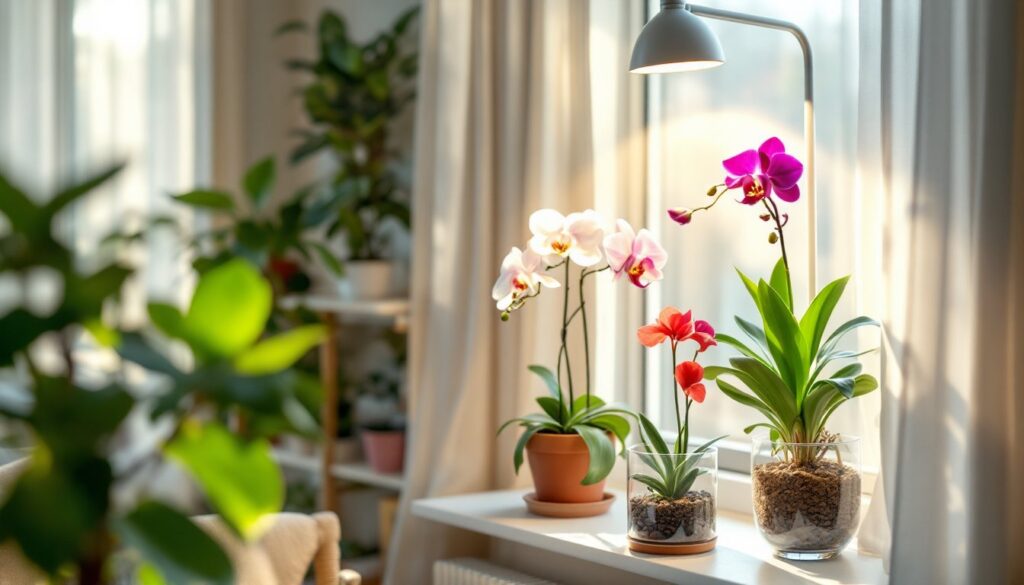
Orchids have a reputation for being fussy, but that’s mostly myth. The right variety, like Phalaenopsis (moth orchids), blooms for two to three months at a time, and with smart care, they’ll rebloom multiple times yearly. Phalaenopsis flowers come in white, pink, purple, and striped patterns, sitting on graceful arching stems that can last weeks without fading.
The key difference between orchids and your typical houseplant: they’re epiphytes, meaning they grow on trees in nature, not soil. Most home orchids are sold in bark media (not potting soil), which drains fast and mimics their natural habitat. After blooming stops, remove the spent flower stem just above a node (a raised bump on the stem), and the plant will often branch and rebloom from that spot within two to three months.
Orchids don’t need much: bright, indirect light (east or west windows work great), a weekly watering during the growing season, and airflow. Overwatering kills more orchids than anything else. Let the bark dry slightly between waterings. They’re perfect for shelves, desks, or house plants types that transform living spaces without taking up floor real estate.
Anthurium: Tropical Flowers That Keep Giving
Anthuriums (also called flamingo flowers) produce waxy, heart-shaped spathes in red, pink, white, or bicolor combinations. Unlike cut flowers, an anthurium bloom lasts six to eight weeks on the plant, and new flowers emerge steadily throughout the year if conditions are right. You’re not waiting for a “blooming season”, it just keeps going.
Anthuriums love warmth and humidity. They prefer temperatures between 65°F and 80°F and humidity around 50% or higher (a pebble tray with water underneath the pot works wonders). They’re tropical, so they sulk in cold drafts. Soil should stay consistently moist but not waterlogged: well-draining potting mix with perlite added prevents root rot.
Lighting matters: bright, indirect light triggers more blooms. Direct sun scorches the leaves. Rotate the plant every few weeks so it grows evenly. You’ll spot new flowers emerging from the center of the plant every few weeks once it’s settled in. Feed during the growing season with a balanced fertilizer diluted to half strength. They’re stunning paired with large indoor house plants in a corner arrangement.
African Violets: Compact Beauties for Small Spaces
African violets are the apartment gardener’s dream: compact, colorful, and surprisingly easy once you nail watering. They bloom nearly continuously under the right light, producing delicate flowers in purple, pink, white, or bicolor combos. A mature plant stays under 12 inches wide and fits on a windowsill, shelf, or bookcase.
The catch: they hate wet leaves. Water from below by setting the pot in a tray of water for 10-15 minutes, then removing it. Never splash water on the foliage, it causes brown spots. Use room-temperature water: cold water shocks them. They prefer soil that’s constantly moist but never soggy. A specialized African violet potting mix (lighter and airier than standard soil) is worth the small extra cost.
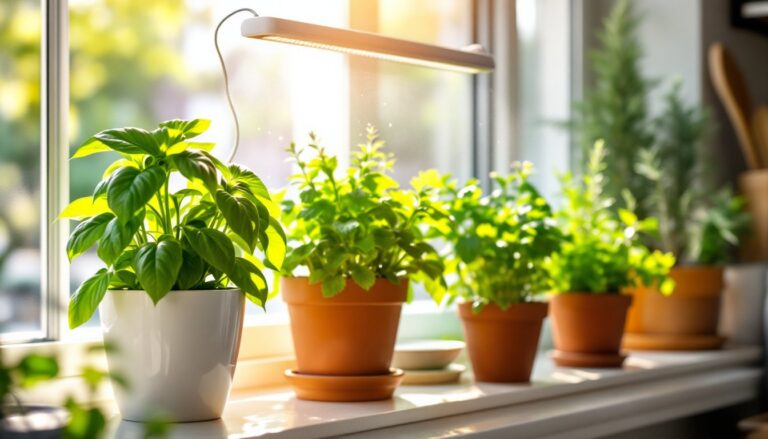
Light is non-negotiable: they need bright, indirect light for 12-14 hours daily. A grow light placed 6-10 inches above the plant works perfectly if your windows are weak. Temperature should stay between 65°F and 75°F: they’re sensitive to cold. Feed every two weeks with a diluted, balanced fertilizer formulated for African violets. Repot only every 12-18 months because they prefer being slightly root-bound. Pair them with indoor vine plants on a shelf to create a layered display.
Begonias: Continuous Color With Minimal Effort
Begonias come in hundreds of varieties, but for year-round indoor blooming, focus on wax begonias and tuberous begonias. Wax begonias flower practically nonstop, producing clusters of small red, pink, or white flowers above waxy, deep-green foliage. They’re nearly bulletproof: water when the top inch of soil dries out, and they’ll bloom. Tuberous begonias produce larger, more showy double flowers and also rebloom reliably indoors if you give them a brief rest period.
Begonias aren’t picky about light: they tolerate moderate to bright indirect light and actually appreciate a break from direct sun in summer. Humidity helps but isn’t essential, they’re tougher than orchids or anthuriums. Keep soil evenly moist during the growing season but allow it to dry slightly between waterings. Overwatering invites powdery mildew and root rot.
They appreciate a cool winter rest (around 60°F) for a few weeks, then warm up again in spring to trigger reblooming. Pinch off the top inch of new growth occasionally to encourage bushier plants and more flowers. Fertilize every two to three weeks during the growing season. These plants are forgiving enough for beginners and rewarding enough for experienced growers. According to houseplant blooming guides, begonias are among the most reliable year-round bloomers.
Essential Care Tips for Year-Round Indoor Blooms
Lighting and Temperature Requirements
Lighting is the engine of flowering. Most blooming houseplants need bright, indirect light, usually 10-14 hours daily. South and west-facing windows are ideal, though sheer curtains prevent harsh afternoon burns. East-facing windows provide gentle morning sun. North-facing windows rarely have enough light for consistent flowering unless you add a grow light.
Temperature stability matters. Most tropical bloomers (anthuriums, orchids) prefer 65°F to 80°F. Avoid cold drafts from windows in winter and heat vents in summer. Begonias and African violets are slightly cooler-preferring (60°F-75°F). Sudden temperature swings stress plants and reduce blooming. A consistent 5–10°F dip at night actually triggers flowering in many species, mimicking their natural seasonal changes.
If your home is naturally cool and dry, you’re fighting the plant’s biology. Most indoor bloomers evolved in tropical or subtropical climates and expect warmth and some humidity. That said, they adapt to average home conditions better than their diva reputation suggests.
Watering and Humidity Strategies
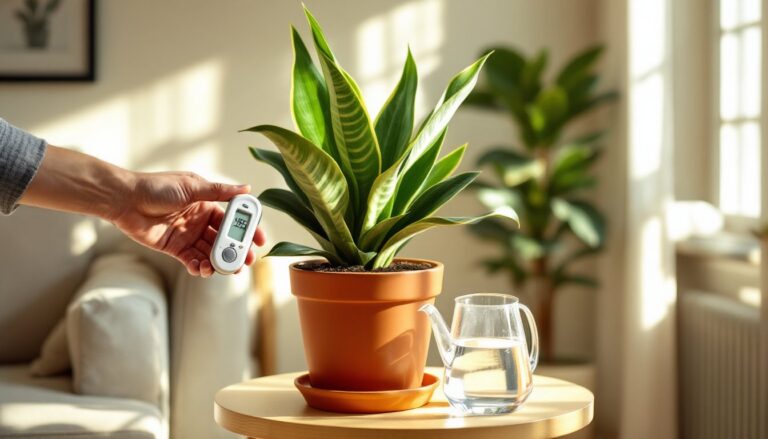
Consistent moisture, not wetness, is the sweet spot. Stick your finger an inch into the soil: if it feels dry, water. If it’s moist, wait. The frequency depends on pot size, soil mix, humidity, and season. In winter, growth slows and plants need less water. In summer, they drink more.
Humidity boosts blooming. Aim for 40-60% relative humidity. If your home is dry (common with heating in winter), use a pebble tray: fill a shallow tray with pebbles, add water until it just covers them, and set your pot on top. The water evaporates around the plant without the pot touching water directly. Group plants together to create a humid microclimate. A small humidifier in the room also helps.
Water quality matters for sensitive plants like African violets. If your tap water is heavily chlorinated or hard, let it sit overnight before using, or collect rainwater. Fertilize every two to four weeks during the growing season with a balanced, diluted formula. The Spruce offers detailed care guides for specific plant varieties and seasonal adjustments. Reduce fertilizer in winter when growth naturally slows. Too much nitrogen can push foliage at the expense of flowers.