Table of Contents
ToggleIdentifying house plants doesn’t require a botany degree, just a willingness to look closely and learn a few key traits. Whether you’ve inherited a mystery plant from a friend, picked up a starter greenery at a local nursery, or you’re simply curious about what’s thriving on your windowsill, understanding the basics of plant identification makes all the difference. This guide walks you through the most common indoor plants you’ll encounter, showing you how to spot them by leaf shape, growth habit, light needs, and care requirements. By the end, you’ll confidently name that plant in the corner and know exactly how to keep it healthy.
Key Takeaways
- Identifying common house plants relies on three key traits: leaf shape, growth habit, and light tolerance, which unlock the identity of 90% of indoor plants.
- Low-light tolerant plants like pothos, philodendrons, cast iron plants, and peace lilies thrive in dim spaces and eliminate the need for bright, direct sunlight.
- Drought-tolerant succulents and cacti store water in their leaves and stems, making them ideal for busy homeowners who can’t water frequently.
- Flowering house plants like orchids, African violets, and anthuriums reward consistent care with months of blooms and add visual interest beyond foliage.
- Many common house plants including spider plants, pothos, and snake plants naturally purify indoor air by removing toxins like formaldehyde and benzene.
- Success with identifying and caring for house plants depends on matching each plant to your home’s specific light, humidity, and temperature conditions through observation and adjustment.
Foliage Favorites: Identifying Leaf Patterns And Plant Shape
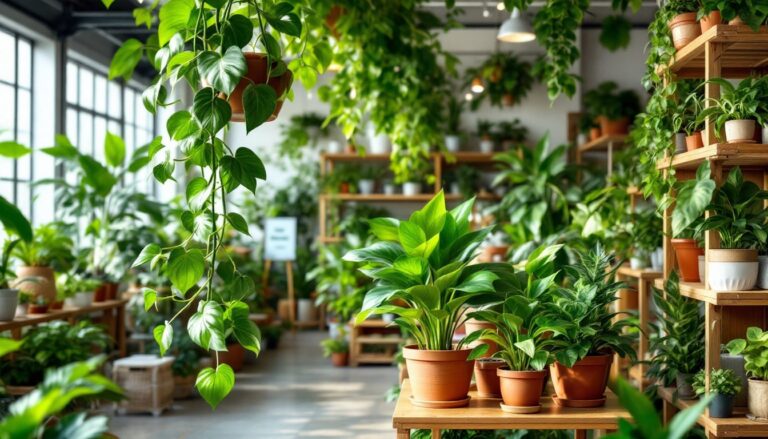
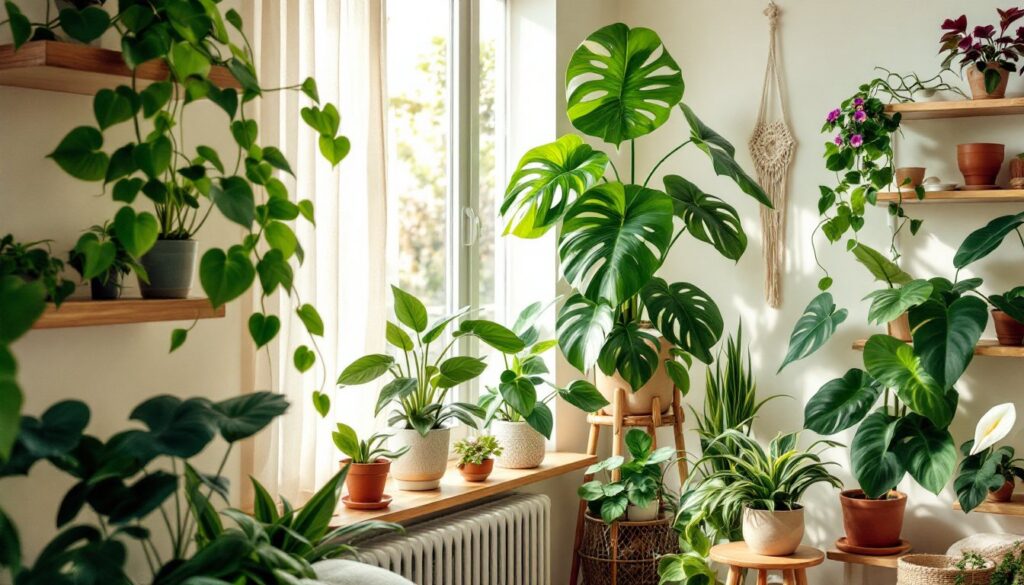
The quickest way to identify a house plant is to look at its leaves. Leaf shape, size, texture, and arrangement tell you almost everything you need to know. A pothos (also called devil’s ivy) has heart-shaped leaves that grow along vining stems, it drapes beautifully from shelves or climbs a moss pole. Philodendrons look similar at first glance but have longer, more angular leaf tips and stubbier growth.
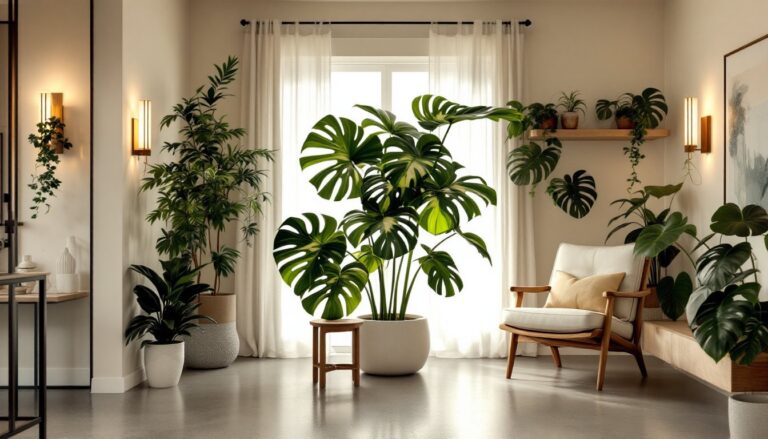
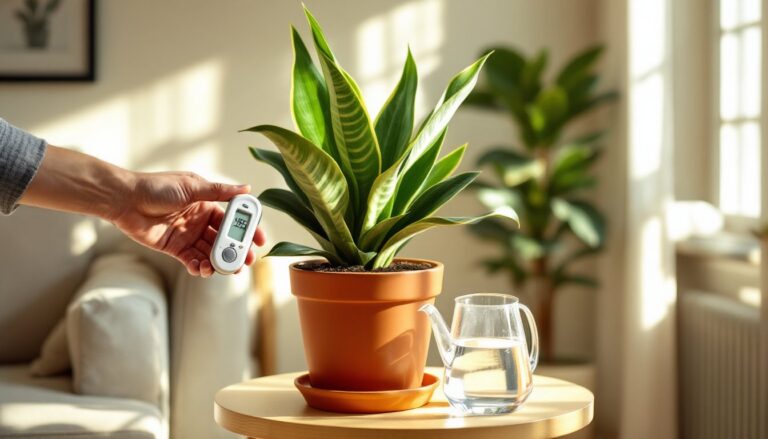
Monstera deliciosa is impossible to miss once you know what you’re looking for: massive, glossy leaves that develop dramatic splits and holes as the plant matures. Snake plants (Sansevieria) stand rigid and upright with sword-like leaves, often in variegated green and cream. ZZ plants feature waxy, oval leaflets arranged neatly along stems, creating an almost artificial-looking elegance.
Leaf texture matters too. Velvet plants like Alocasia have soft, fuzzy foliage in deep jewel tones. Rubber plants boast thick, waxy leaves that feel substantial and look shiny. Peperomia species come in dozens of varieties but all share small, textured leaves on compact, bushy plants. When identifying by shape, observe whether leaves grow opposite each other, alternate along the stem, or cluster at the base. This small detail narrows down your options fast. most common house plants for more detailed comparisons of these foliage champions.
Low-Light Tolerant Plants For Dim Spaces
Not every room gets bright, direct sunlight, but that doesn’t mean you can’t have plants. Some species actually prefer lower light and suffer under intense rays. Cast iron plants live up to their tough reputation and thrive in dim corners with minimal care. Parlor palms tolerate low light while adding vertical interest with their feathery fronds. Peace lilies are indoor classics that flower even in modest light, watch for their distinctive white spathes (modified leaves that look like flowers) signaling when the soil needs water.
Pothos and philodendrons, mentioned above for their leaves, are also champions of dim spaces. Many varieties actually develop richer color and slower growth under less intense light. Chinese evergreens (Aglaonema) brighten up dark hallways with variegated foliage in cream, pink, and red tones. Dracaena varieties like corn plant and lucky bamboo adapt to various light levels, though they prefer some indirect bright light when possible.
High-Moisture Indoor Plants
Low-light spaces often stay cooler and more humid, creating perfect conditions for plants that love consistent moisture. Ferns are the poster children here, maidenhair, Boston, and bird’s nest varieties all appreciate high humidity and soil that stays evenly moist (never waterlogged). Calathea plants with their stunning patterned leaves require humid air to prevent brown leaf tips. Anthurium (flamingo flower) produces striking waxy flowers and glossy leaves in humid, warm spots with regular moisture.
Keep in mind that “high moisture” doesn’t mean soggy soil. These plants want air circulation and drainage holes to prevent root rot. A simple humidifier, pebble tray, or grouping plants together increases humidity naturally. Research from The Spruce emphasizes the importance of proper drainage and airflow even in moisture-loving plants to avoid fungal issues.
Drought-Tolerant Succulents And Cacti
Succulents are the DIYer’s dream, they store water in their leaves and stems, tolerating neglect far better than most plants. Echeveria forms perfect rosettes of plump, geometric leaves in colors ranging from pale green to deep purple. Jade plants develop thick, woody stems and coin-shaped leaves: mature specimens become genuine living sculptures. Aloe vera doubles as a medicinal plant and architectural accent, with tall spikes of fleshy leaves.
Sedum varieties run the gamut from creeping groundcovers to dramatic branching specimens. Agave species grow slowly but create dramatic focal points with their sword-like leaves (handle carefully, many have sharp edges). Crassula plants like the money tree have opposite oval leaves and develop thick trunks over years.
Cacti are technically succulents and share their drought tolerance. Christmas cacti flower reliably indoors and prefer slightly more moisture than desert cacti. Prickly pear and barrel cacti want minimal water and maximum sun, they’ll rot quickly with overwatering. String of pearls and string of hearts are trailing succulents perfect for hanging baskets: they’ll cascade dramatically when happy. Many homeowners start with common succulent house plants to learn the fundamentals of low-water care before moving to more challenging species.
Flowering House Plants And Blooming Seasons
While most flowering plants still require decent indirect light and proper humidity, watching them bloom is deeply rewarding. African violets are the classic choice, velvety leaves and delicate flowers in purple, pink, blue, and white. They flower almost continuously under proper fluorescent lighting (unusual among house plants). Begonias encompass hundreds of varieties, some grown for flowers and others for foliage: rex begonias have iridescent leaves while wax begonias produce clusters of waxy blooms.
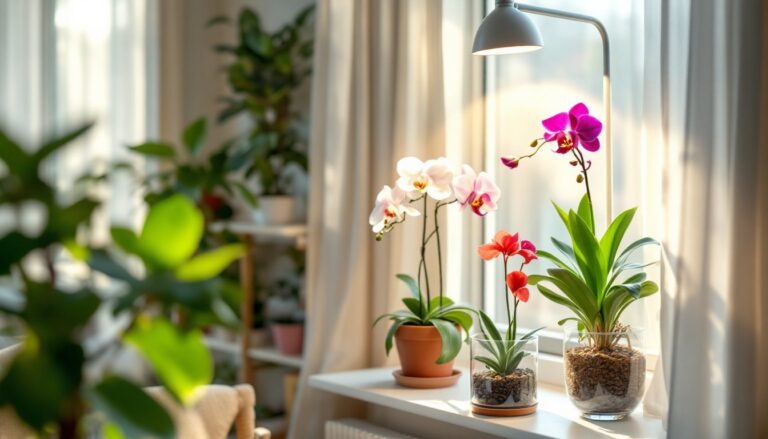
Orchids intimidate new plant parents but aren’t actually difficult, they prefer bright, indirect light and air circulation. Once established, they rebloom reliably. Anthuriums produce glossy, heart-shaped flowers (actually spathes) in red, pink, and white that last for months. Saintpaulias (African violets) mentioned above flower nearly year-round with gentle care.
Hibiscus, bougainvillea, and mandevilla are tropical bloomers demanding bright light and warmth but rewarding with spectacular flowers. Bromeliads flower just once per plant and then offset, but their stunning inflorescences justify the wait. Kalanchoe produces dense clusters of tiny flowers and tolerates neglect like a succulent. Seasonal bloomers like Christmas cacti and poinsettias signal the holidays with reliable flowering. Many easiest house plants to keep alive include flowering types that bloom without fussy humidity or feeding requirements.
Air-Purifying Plants For Healthier Interiors
Beyond looking good, many common house plants actually filter indoor air, removing formaldehyde, benzene, and ammonia. Spider plants rank among the most effective: their arching leaves and prolific baby plantlets make them nearly impossible to kill. Pothos purifies air while handling neglect admirably, toss it in a corner and it thrives. Snake plants are toxin-fighting powerhouses that also produce oxygen at night, making them exceptional bedroom companions.
Boston ferns excel at removing formaldehyde while adding humidity to dry spaces. Dracaena varieties cleanse air effectively, though some (notably Dracaena fragrans or corn plant) have a faint sweet scent that some find pleasant and others too strong. Peace lilies filter several toxins while signaling thirst dramatically by drooping, handy for beginners. Areca palms and Lady palms are larger air-purifying options for spacious rooms.
Bamboo palm, chrysanthemum, and gerbera daisy all contribute to cleaner indoor air. While NASA’s original research on plant air purification has been debated for effectiveness in typical homes (plants filter more slowly than standard HVAC), the psychological and decorative benefits remain undeniable. A houseplant identification guide from Gardenista details which plants excel at specific air-purifying tasks.
Quick Reference: Plant Identification Tips By Size And Growth Habit
Grouping plants by mature size and growth pattern helps you match them to your space and maintenance style. Compact varieties (under 12 inches) include succulents, peperomia, prayer plants, and African violets, perfect for desks, shelves, and tight corners. Medium plants (1–3 feet) encompassing pothos, philodendrons, rubber plants, and calathea fit windowsills and accent tables without overwhelming rooms.
Large specimen plants (3+ feet) like monstera, floor-standing ferns, areca palms, and ficus become statement pieces and room dividers. Trailing and climbing plants like pothos, string of pearls, and string of hearts work vertically on shelves, moss poles, or hanging baskets. Compact bushy types such as peperomia, croton, and begonias maintain tidy shapes without pruning.
Growth rate matters too. Fast-growing plants like pothos and philodendrons need occasional pruning to stay within bounds. Moderate growers like rubber plants and dracaena establish themselves over seasons. Slow growers including ZZ plants, snake plants, and succulents remain nearly unchanged for months, suiting patient plant parents. Water-loving varieties need checking every few days: drought-tolerant types demand weekly or less-frequent attention. For comprehensive care across major plant groups, review house plants types and 20 most common houseplants to deepen your knowledge.
Final Thoughts: Getting Started With Confidence
Identifying common house plants becomes second nature after handling a few varieties. Start by observing leaf shape, growth habit, and light tolerance, these three traits unlock the identity of 90% of indoor plants you’ll encounter. Don’t hesitate to snap photos of mystery plants and compare them online or ask at local garden centers: even experienced plant parents do this.
Once you’ve identified your plants, success hinges on matching them to your home’s light, humidity, and temperature. A pothos in a dim corner thrives while a monstera in the same spot struggles. Your job is observation: notice which plants look vibrant and which seem stressed, then adjust placement or care accordingly. Every room offers different microclimates, experiment and let your plants guide you. With practice, you’ll become the person friends call when they inherit a mystery green thing, confidently naming it and knowing exactly how to keep it healthy.