Table of Contents
ToggleIndoor plants are living organisms, and like any living thing, they need proper nutrition to thrive. Unlike outdoor garden plants that can draw nutrients from the soil over time, houseplants in containers are confined to a finite amount of soil that depletes relatively quickly. A beginner plant parent often wonders: am I feeding my plants too much, too little, or just right? The answer depends on several factors, plant type, season, container size, and the type of fertilizer you’re using. This guide walks you through the essentials of how often to fertilize indoor plants so your green friends actually stay green.
Key Takeaways
- Fertilize indoor plants every 2 to 4 weeks during spring and summer using half-strength, balanced liquid fertilizer, since container plants lack the natural nutrient cycling of outdoor soil.
- Container plant potting soil depletes nutrients within 4 to 6 weeks, requiring consistent feeding schedules unlike garden plants that draw from ground nutrients.
- During fall and winter dormancy, reduce fertilizing to once monthly or every 6 to 8 weeks—or skip entirely—since plants aren’t actively growing and don’t need heavy nutrition.
- Over-fertilizing is more harmful than under-feeding and causes salt accumulation, root burn, and brown crispy leaves; if over-fertilization occurs, flush the soil with water and pause feeding for a month.
- Watch for nutrient deficiency signs like yellowing lower leaves, stunted growth, and weak stems, then adjust your schedule accordingly rather than following a rigid calendar.
- Always apply diluted fertilizer to moist soil and wait a month after repotting before starting feedings, since new potting mix contains starter nutrients.
Understanding Indoor Plant Fertilizer Needs
Indoor plants rely entirely on the nutrients in their potting mix. Standard potting soil contains some initial nutrients, but these leach away with each watering, usually within 4 to 6 weeks. Outdoor plants benefit from decomposing organic matter and nutrient cycling in the ground, but container plants don’t have that advantage.
Most indoor plants need three key macronutrients: nitrogen (N) for foliage growth, phosphorus (P) for root and flower development, and potassium (K) for overall plant health. You’ll see these listed as N-P-K ratios on any fertilizer package (for example, 10-10-10 or 20-20-20).
But, over-fertilizing is one of the most common mistakes new plant owners make. Excess fertilizer salts accumulate in the soil, burning roots and causing leaves to brown or turn crispy. A little nutrition is good: a lot can kill your plant faster than neglect. The goal is a gentle, consistent feeding schedule that matches your plant’s growth phase and the season.
General Fertilizing Schedules by Season
Plant growth isn’t constant year-round. Most houseplants follow a natural growth cycle tied to light levels and temperature, which means your fertilizing schedule should shift with the seasons.
Spring and Summer Growing Season
Spring and summer are the primary growing months for most indoor plants. Days are longer, temperatures are warmer, and plants are actively putting out new foliage and flowers. During this period, fertilize every 2 to 4 weeks using a balanced, water-soluble fertilizer diluted to half strength.
Why half strength instead of full? Indoor plants don’t need the aggressive feeding that outdoor plants or commercial crops do. Half-strength application every 2 to 4 weeks mimics natural nutrient availability without overwhelming the root system. If you’re using a liquid fertilizer, follow the package directions and cut the recommended dose in half. Many growers find that this approach, frequent, gentle feedings, works better than heavy monthly applications.
Fast-growing plants like pothos, philodendron, and spider plants may lean toward the every-2-weeks schedule. Slower growers like ZZ plants or snake plants can stretch to every 4 weeks. Plant Fertilizer Secrets: Boost Your Garden’s Health and Growth Today offers detailed breakdowns of nutrient profiles for specific plant types if you want to fine-tune your approach.
Fall and Winter Dormant Period
As days shorten and temperatures drop, most houseplants slow or stop growing. Their metabolism drops, and they need far less nutrition. From October through February (depending on your location), cut back to fertilizing once every 6 to 8 weeks, or switch to fertilizing only once per month.
Some plant owners skip fertilizing entirely during winter and restart in spring, a simpler approach that works well if your home stays reasonably warm. The key is recognizing that dormant plants aren’t building new tissue, so they’re not hungry. Fertilizing a dormant plant is like offering a full meal to someone in hibernation: it’s wasted and can cause problems.
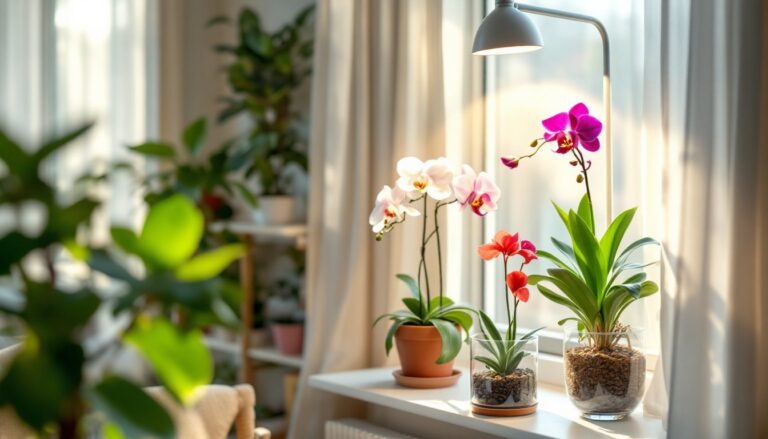
Flowering houseplants that bloom in winter (like Christmas cactus or amaryllis) are exceptions and may benefit from a phosphorus-rich fertilizer to support blooms, but even then, reduce frequency compared to the growing season.
How to Identify When Your Plants Need Fertilizer
The best way to avoid over-feeding is to watch your plants for signs of nutrient need. Healthy plants show consistent, vibrant growth. Plants that are hungry for nutrients often show subtle changes first.
Signs your plant needs fertilizer:
• Slower growth or growth that’s visibly stunted compared to earlier in the season
• Pale or yellowing lower leaves (especially if new leaves stay green)
• Smaller-than-normal new leaves
• Weaker, thinner stems
• Reduced flowering or smaller blooms (in flowering varieties)
For the most accurate guidance, detailed fertilizing advice recommends monitoring growth patterns throughout the season rather than fertilizing on a fixed calendar.
Signs of over-fertilizing (more urgent to address):
• Brown or crispy leaf tips and edges
• Leaves dropping prematurely
• White crusty buildup on the soil surface or pot rim (fertilizer salt accumulation)
• Root rot even though proper watering
• Leaf scorch or burned patches
If you spot over-fertilizing signs, flush the soil by running water through the pot for a minute or two to leach out excess salts. Let it drain completely. Skip fertilizing for at least a month and monitor recovery.
When in doubt, err on the side of under-feeding. Plants are more forgiving of light nutrition than heavy doses, and you can always feed more next week if growth looks sluggish.
Best Practices for Fertilizing Indoor Plants
Beyond timing, the how of fertilizing matters just as much as the when.
1. Choose the right fertilizer type
Liquid, water-soluble fertilizers are the easiest for indoor plants because they mix into your watering can and distribute evenly. Slow-release granules or pellets work too, but they’re harder to adjust mid-season if you suspect over-fertilizing. Organic options like fish emulsion or compost tea are gentler but can smell strong indoors.
For most houseplants, a balanced formula (something like 10-10-10 or 5-5-5) works well year-round. Flowering plants may benefit from a slightly phosphorus-heavy formula (like 10-30-10) when blooming, but it’s not essential.
2. Always dilute and test
Most packaged fertilizers come concentrated. Never apply full strength to indoor plants, always dilute to half strength or follow the label recommendation for houseplants specifically (which is often weaker than outdoor garden guidance). If you’re unsure, mix at half strength first. You can always add more fertilizer next time: you can’t easily undo over-fertilizing.
3. Water first, then fertilize
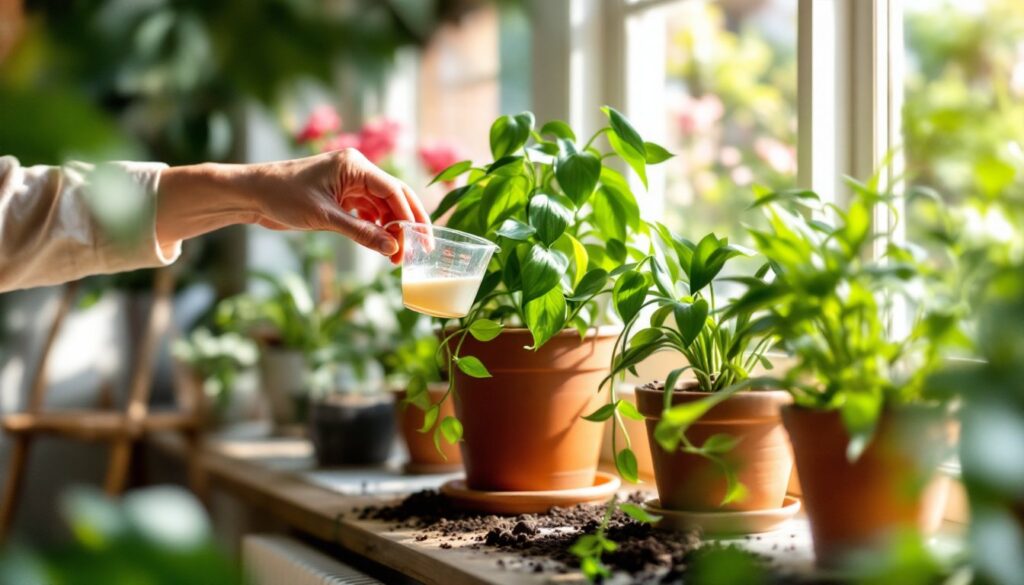
Apply diluted fertilizer to already-moist soil, never to dry soil. Dry roots absorb concentrated fertilizer salts faster and are more prone to burn. Water your plant normally, wait an hour, then apply the diluted fertilizer solution. This simple order prevents most fertilizer accidents.
4. Account for pot size and soil
Smaller pots dry out faster and leach nutrients quicker, sometimes needing fertilizer closer to every 2 weeks. Large containers with fresh potting mix may not need feeding for 8 weeks. If you’ve recently repotted with new soil, wait at least a month before starting fertilizer: new potting mix contains starter nutrients.
5. Rotate your plants monthly
Not directly related to fertilizing, but rotation ensures even light exposure and more consistent growth, which makes your fertilizing schedule more predictable.
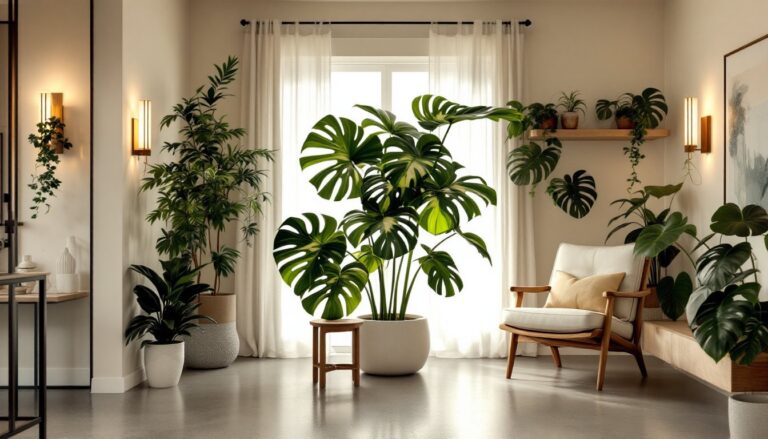
For a step-by-step walk-through of the actual application process, guidance on fertilizing indoor plants with detailed tips breaks down each stage clearly. Large Indoor House Plants: Transform Your Space with Stunning Greenery and Indoor Vine Plants: Transform both benefit from the same seasonal approach, though larger plants may need more frequent feeding during the growing season due to their size.
Conclusion
The short answer: fertilize every 2 to 4 weeks during spring and summer at half strength, then dial back to once monthly or every 6 to 8 weeks during fall and winter. Watch your plants for signs of hunger or excess, adjust as needed, and remember that under-feeding beats over-feeding every time. With consistent, gentle nutrition and attention to your plant’s growth cues, you’ll keep your indoor green space thriving year-round.