Table of Contents
ToggleBringing plants into a home with dogs requires more than aesthetic consideration, it demands safety awareness. Many popular indoor plants contain toxins that can harm curious dogs, yet plenty of large varieties are completely safe. Dog owners who want lush greenery don’t have to choose between vibrant décor and their pet’s health. This guide walks through the best large dog-safe indoor plants, how to display them smartly, and which varieties to skip entirely. With the right choices and proper setup, a home can showcase stunning foliage while keeping every four-legged friend protected.
Key Takeaways
- Large indoor plants safe for dogs include palms (areca, parlor, and Majesty varieties), spider plants, and parlor plants, all of which are completely non-toxic and provide substantial foliage.
- Dogs explore their environment with their mouths, so toxic plants like lilies, sago palms, oleander, jade, and dieffenbachia can cause serious health issues ranging from stomach upset to kidney failure.
- Displaying large indoor plants safely for dogs requires elevated surfaces, heavy stable pots, consistent soil moisture to discourage digging, and grouping plants in specific areas to centralize monitoring.
- Always verify plant safety through veterinary resources or poison control before bringing new species home, as popularity or ‘low-maintenance’ marketing doesn’t guarantee dog-safe status.
- Strategic plant placement combined with choosing dog-safe varieties allows homeowners to create vibrant, green living spaces without compromising their pet’s health and safety.
Why Plant Safety Matters for Dog Owners
Dogs explore their environment the way toddlers do: with their mouths. A curious pup nibbling leaves or chewing bark is a real concern in households where pets roam freely. Toxic plants can trigger symptoms ranging from mild stomach upset to kidney damage, depending on the species and amount ingested.
The challenge is that toxicity levels vary wildly. Some plants cause minor gastrointestinal distress: others can be life-threatening. Lilies, sago palms, and oleander top veterinary toxicity lists, but lesser-known plants like jade and dieffenbachia also pose risks. Even non-toxic plants can cause mechanical injury if a dog eats large amounts of leaves or stems.
Knowing which plants are safe allows homeowners to decorate confidently. Large indoor house plants can make bold design statements, and choosing dog-safe varieties means there’s no need to obsess over every leaf. Peace of mind matters as much as interior design when sharing a home with pets.
Best Large Dog-Safe Indoor Plants for Your Home
Fortunately, several substantial indoor plants are completely non-toxic to dogs while delivering the visual impact larger foliage provides. These species work well in living rooms, bedrooms, and bright corners where they can thrive without posing health risks.
Palms and Areca Varieties
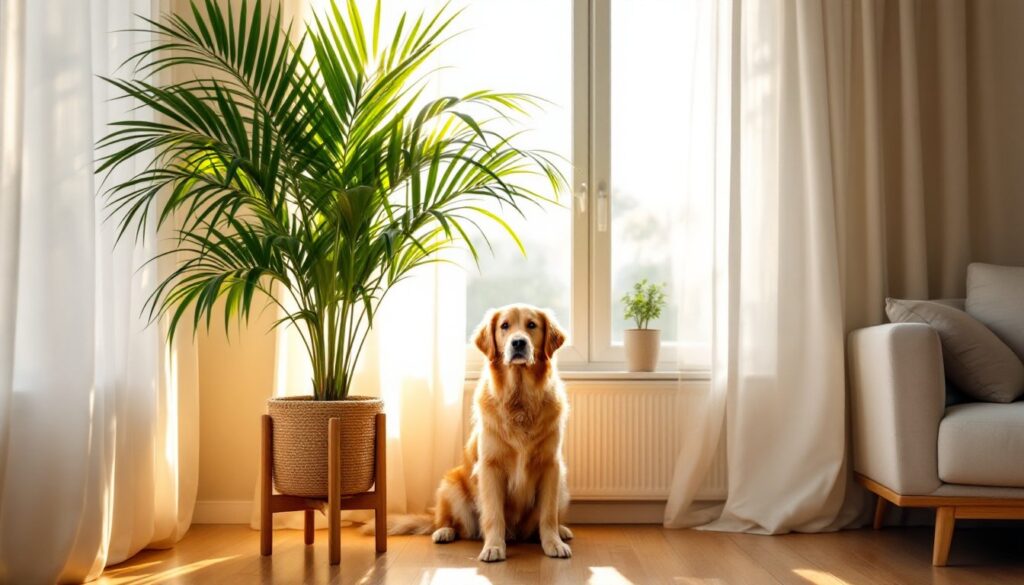
Palms rank among the safest large indoor plants for homes with dogs. Areca palms, parlor palms, and Majesty palms grow tall and graceful, creating dramatic vertical interest without toxicity concerns. These plants typically reach 6 to 12 feet indoors with proper light and care, making them showstoppers in any room.
Areca palms prefer bright, indirect light and consistent moisture but aren’t overly fussy about exact conditions. They thrive in standard room temperatures (65–75°F) and benefit from occasional misting. A dog could chew areca fronds without risk of poisoning, though the leaves aren’t nutritious, just harmless.
Majesty palms are slightly more particular about humidity but remain sturdy plants for dog households. Both varieties cost more upfront than many houseplants, but their longevity and non-toxic status justify the investment for pet owners prioritizing safety. House plants types often overlap, but palms consistently rank as both beautiful and dog-safe.
Spider Plants and Parlor Plants
Spider plants are the workhorses of dog-safe foliage. They grow quickly, tolerate neglect, and produce dangling runners with baby plants, adding visual interest beyond simple greenery. Mature specimens reach 12 inches tall with 18-inch spreads, suitable for shelves, pedestals, or hanging baskets. Completely non-toxic, spider plants are so safe that even aggressive chewing poses no poisoning risk.
Parlor plants (also called Chamaedorea palms) fill the mid-size gap between small spider plants and towering areca varieties. They grow 3 to 6 feet tall indoors, prefer bright indirect light, and tolerate average room conditions without complaint. Dogs can nibble parlor plant fronds without concern: the plant simply won’t die from minor damage.
Both plant types prefer moderate watering, soil should dry slightly between waterings. Overwatering causes root rot faster than underwatering kills these species. Spider plants especially benefit from occasional feeding during growing seasons (spring and summer). For households where easiest house plants to keep alive matter, these two varieties are reliable choices even with dogs roaming nearby.
Creating a Dog-Friendly Plant Display
Owning safe plants is half the battle: displaying them smartly prevents accidents and extends plant lifespan. Strategic placement protects both dogs and foliage from damage.
Elevated surfaces are the first line of defense. Tall plant stands, shelves, or wall-mounted planters keep foliage above jumping or reaching height. A 4-5 foot plant stand lifts a large pot beyond typical dog eye level, reducing the temptation to investigate. This approach also improves air circulation around plant bases, reducing fungal issues.
Heavy, stable pots matter. Terra cotta and ceramic pots outweigh plastic, reducing tip-over risk if a dog brushes past. A 10-pound plant in a 5-pound pot tips easily: reverse the weight ratio by choosing dense materials. Weighted pot feet or bases add stability without looking clunky.
Water management deserves attention. Soggy soil attracts dogs, the texture feels like outdoor dirt, triggering digging instincts. Consistent moisture (not soggy) discourages this behavior. A plant humidifier supports tropical plant health without creating puddles at soil level: standing water around pots becomes a hazard worth avoiding.
Grouping plants together creates visual impact while centralizing care and monitoring. A cluster of three dog-safe plants in a corner commands attention without spreading hazards throughout the room. Rotation, occasionally moving plants to different locations, keeps the display fresh and prevents dogs from fixating on any single spot.
Consider the dog’s age and behavior. Puppies and destructive chewers need plants placed completely out of reach. Older, calmer dogs may coexist peacefully with grounded plants. House plants nearby can be positioned based on individual pet temperament.
Plants to Avoid at All Costs
Certain plants are dangerous enough that dog owners should skip them entirely, regardless of good intentions or design appeal. Keeping these species out of the home eliminates risk entirely.
Lilies top every veterinary toxicity list. Easter lilies, tiger lilies, and Peace lilies contain compounds toxic to dogs at small doses. Even a few petals or leaves can cause kidney failure. If lilies are already in the home, remove them immediately and keep bouquets that arrive as gifts in dog-free rooms.
Sago palms (even though the “palm” name) are extremely toxic and easily confused with safe palm varieties. Every part of the plant, roots, seeds, leaves, is poisonous. A single seed can cause liver failure. Never purchase sago palms for homes with dogs.
Oleander, foxglove, and dieffenbachia round out the high-toxicity list. All three cause serious gastrointestinal and systemic issues. Oleander is especially dangerous because it’s commonly grown as outdoor landscaping: dogs can consume fallen leaves from neighboring yards.
Jade plants (also called lucky plants) are popular succulent choices but toxic to dogs at moderate ingestion levels. Symptoms include vomiting, lethargy, and ataxia (loss of coordination).
Philodendrons and pothos (devil’s ivy) contain calcium oxalate crystals that irritate mouths and digestive tracts. While rarely fatal, they cause painful symptoms and veterinary visits.
When in doubt, check poison control resources or consult a veterinarian before bringing a new plant home. Most common house plants lists often include unsafe options, so don’t assume popularity equals safety. External resources like BetterHomes & Gardens’ pet-safe plant guide and Gardenista’s pet-friendly recommendations provide comprehensive vetting. Many plants marketed as “low-maintenance” or “trendy” harbor hidden toxins that outweigh convenience benefits.
Conclusion
Dog owners don’t have to sacrifice greenery for safety. Palms, spider plants, and parlor varieties deliver substantial foliage while posing zero toxicity risk. Thoughtful placement on elevated surfaces and in stable pots adds another layer of protection. By choosing safe species and avoiding known hazards, homeowners create spaces where dogs and plants coexist peacefully. The result is a greener, healthier home for everyone living in it.