Table of Contents
ToggleMost people kill their first houseplant not from neglect, but from overthinking it. You water too much, move it around chasing the “perfect light,” and before long, the leaves are yellow and drooping. The good news? Plenty of plants are genuinely foolproof, they actually prefer it when you leave them alone. If you’ve had bad luck with houseplants, you’re not a brown thumb: you just haven’t met the right plant yet. These seven varieties are the easiest house plants to keep alive, even if you’re just starting out. They forgive watering mistakes, tolerate dim light, and grow reliably without fussing. Let’s find your new green companion.
Key Takeaways
- The easiest house plants to keep alive—including pothos, snake plants, and ZZ plants—tolerate inconsistent watering, low light, and neglect, making them ideal for beginners.
- Overwatering is the main killer of houseplants; check soil moisture with your finger about an inch down and water only when it feels dry to avoid root rot.
- Pothos and spider plants are fast-growing, forgiving plants that recover quickly from watering mistakes and produce cuttings you can propagate into new plants.
- A drainage hole in your pot, standard potting mix, and weekly light rotation are essential basics that prevent common problems and ensure success with beginner-friendly plants.
- Low-light survivors like the ZZ plant and snake plant thrive in dim corners, offices, and basements where other plants might struggle, expanding where you can place greenery.
Why These Plants Are Foolproof For New Plant Parents
The plants on this list share a handful of traits that make them nearly impossible to kill. They tolerate inconsistent watering, thrive in average indoor light, and don’t demand special humidity or fertilizer schedules. They’re also forgiving, if you forget to water for two weeks, they won’t hold a grudge.
These varieties also handle low light better than most, which matters because most homes don’t have bright windows in every corner. They recover quickly from mistakes, which builds confidence. Once you succeed with one of these, you’ll realize that keeping plants alive is less about having a magical green thumb and more about choosing the right plant for your actual living situation. This is why experienced plant parents often return to these classics, not because they’re boring, but because they work.
Pothos: The Trailing Plant That Thrives on Neglect
Pothos (also called devil’s ivy) is the starter plant for good reason. It grows almost anywhere, bright indirect light or dim corners, and bounces back from underwatering like it’s a superpower. You can let the soil dry out completely between waterings, and it’ll still be fine.
This trailing plant is perfect for shelves, hanging baskets, or to drape along a bookcase. It produces long vines covered in heart-shaped leaves and can grow several feet per year without any special care. Pothos also tolerates temperature swings and doesn’t attract many pests. Water it when the soil feels dry about an inch down, that’s it. If a vine gets too leggy, pinch it back and it’ll branch out. You can even prop cuttings in water indefinitely or stick them in soil to propagate new plants. Many people keep pothos in water-filled vases on a shelf, changing the water every week or two. Common succulent house plants share this same low-maintenance spirit, though they handle drought differently.
Snake Plant: Stylish, Low-Maintenance, and Nearly Indestructible
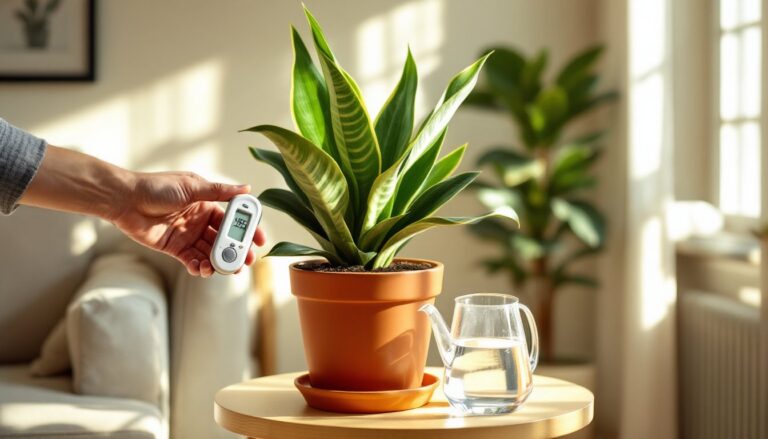
The snake plant (Sansevieria) looks sleek with its tall, geometric leaves, and it’s one of the toughest plants you can own. It tolerates low light, irregular watering, and even neglect for months. Snake plants thrive on the “set it and forget it” approach, water every 2–3 weeks in growing season, even less in winter.
These plants prefer to dry out between waterings: overwatering is the only real way to harm one. They’re also excellent air purifiers, removing toxins from indoor air, a bonus that makes them worth putting in a bedroom or office. Snake plants grow slowly but steadily, producing new shoots from the soil over time. They’ll eventually fill a pot with upright foliage that looks modern in any space. Available in solid green, variegated, or even compact dwarf forms, there’s a snake plant for any decor. IKEA house plants often feature snake plant varieties at affordable prices, making them a budget-friendly entry point.
Spider Plant: Fast-Growing and Forgiving of Watering Mistakes
The spider plant is a workhorse that grows fast, stays attractive, and tolerates inconsistent watering better than most. It produces long, arching leaves (often with cream or white stripes) and sends out runners with tiny plantlets, sometimes called “babies”, that you can propagate into new plants. Kids and gardeners love this for that reason alone.
Spider plants handle bright, indirect light and even some direct sun. They tolerate low light too, though they’ll grow faster in brighter spots. Water when the top inch of soil is dry: the plant won’t suffer if you’re a day or two late. These plants are fast growers, so you’ll see results quickly, motivating for beginners. They rarely attract pests and stay lush for years with minimal fussing. The tiny plantlets can be rooted in water or soil, making spider plants an easy way to expand your plant collection or gift cuttings to friends. Low maintenance plants like spider plants work indoors and outdoors depending on your climate.
ZZ Plant: The Ultimate Low-Light Survivor
The ZZ plant (Zamioculcas zamiifolia) is the plant to choose if your space is dim. It grows in offices with only fluorescent light, corners away from windows, or any low-light situation. Even though thriving in shade, it still grows steadily and looks polished with its glossy, compound leaves arranged in feathery fronds.
ZZ plants are slow-growing, so you won’t need to repot often, and they need water even less frequently than snake plants. Water every 2–3 weeks, or even longer in winter. The soil should dry out almost completely between waterings. ZZ plants store water in their rhizomes (underground stems), so they’re built for drought tolerance. They’re also excellent for offices and basements where other plants might sulk. According to gardening experts, the ZZ plant has become trendy for good reason, it delivers style without demands. Unlike fussy tropical plants, the ZZ plant simply works.
Essential Tips For Keeping Any Beginner-Friendly Plant Alive
Even foolproof plants need a few basics to thrive. Start by choosing the right pot, one with a drainage hole is essential. Without drainage, water pools and roots rot, which kills plants faster than anything else. Use a standard potting mix (not garden soil from outside, which compacts in containers). Most beginner plants prefer this light, airy medium.
Light matters, but not as much as people think. Even low-light plants need some light, a window across the room counts. Rotate your plant a quarter-turn every week or two so all sides get equal light and it doesn’t lean toward the window.
Grouping plants together slightly raises humidity and makes watering easier since you’ll see them daily and remember to check soil moisture. Most common house plants benefit from this same setup. Keep plants away from heating vents, drafty doors, and cold windows in winter, temperature swings stress them.
Pests are rare on beginner plants, but if you spot webbing, sticky residue, or tiny bugs, spray affected leaves with insecticidal soap or a neem oil spray. Catch problems early and they’re easy to fix.
Get Watering Right Without Overthinking It
Watering is where most plant parents go wrong. The rule is simple: water when the soil is dry. Stick your finger into the soil about an inch, if it feels moist, don’t water. If it’s dry, add water until it drains from the bottom. Empty the drainage tray after 15 minutes so roots don’t sit in water.
Frequency depends on your home’s temperature, humidity, and light. In winter, plants need less water. In summer, more. A plant in a bright window dries faster than one in a corner. Rather than watering on a schedule, check soil moisture, your finger is the best tool. Most beginner plants actually prefer slightly drier conditions to soggy roots. If you tend to overwater, stick with pothos, snake plants, or ZZ plants: they’ll forgive you. Resources like The Spruce and Better Homes & Gardens offer in-depth watering guides if you want specifics for each species.
Start Simple and Build Your Confidence
The easiest house plants to keep alive aren’t just survivors, they’re stepping stones to a fuller plant collection. Pick one of these seven, put it in a spot that feels right, water it when the soil is dry, and watch it grow. You don’t need fancy equipment, special soil amendments, or a sunny conservatory. You need a plant that matches your actual home and habits.
Once you’ve kept pothos, spider plant, or a snake plant thriving for a few months, you’ll understand how plants work and gain confidence to try something trickier. That’s the real benefit: these beginner plants teach you that you’re not bad at plant care, you just needed the right match. Start there, and before long, you’ll have a thriving indoor garden.