Table of Contents
ToggleIndoor air quality directly impacts your family’s health, energy levels, and comfort, yet most people overlook it until they notice stale odors or stuffy rooms. The good news? Indoor plants that clean air do more than sit in the corner looking nice: they’re legitimate air purifiers that absorb toxins like formaldehyde, benzene, and ammonia while releasing oxygen. Whether you’re starting fresh or adding to an existing collection, choosing the right air-cleaning plants means better air quality, lower energy costs, and a greener home. This guide walks you through the science-backed plants worth adding to your space and how to position them for maximum benefit.
Key Takeaways
- Indoor plants that clean air absorb toxins like formaldehyde and benzene while improving oxygen levels, making them legitimate air purifiers for your home.
- Snake plants and pothos are the most forgiving air-purifying options, thriving in low light and requiring minimal watering, making them ideal for beginners or busy households.
- Position indoor plants near pollution sources and use one plant per 100 square feet for noticeable air quality improvement, with placement directly affecting their effectiveness.
- Maintain plant health by ensuring proper drainage, dusting leaves monthly, and repotting every 12–18 months, since stressed plants clean air less efficiently.
- Combine indoor plants with good ventilation, HEPA filters, and low-VOC products for maximum air-cleaning results, as plants work best as part of a broader indoor air quality strategy.
Why Indoor Air Quality Matters for Your Home
Most homeowners don’t realize that indoor air is often two to five times more polluted than outdoor air. Off-gassing from new furniture, cleaning products, paint, and synthetic materials releases volatile organic compounds (VOCs) into your home. Poor ventilation traps these chemicals, contributing to headaches, allergies, respiratory issues, and general fatigue, especially in winter when windows stay closed.
Plants address this at the source. Through photosynthesis and microbial action in their soil, they absorb CO₂ and filter out toxins, converting them into harmless compounds. NASA research from the 1980s popularized the idea, and while studies show the effect is modest in small spaces, the cumulative benefit across multiple rooms, combined with improved ventilation and reduced humidity, creates noticeable health gains.
Beyond air chemistry, plants lower stress levels, boost focus, and add visual warmth to any room. Think of them as a triple win: healthier air, better mood, and decor that actually works for you.
Top Air-Purifying Plants for Every Room
Snake Plant and Pothos: Low-Maintenance Powerhouses
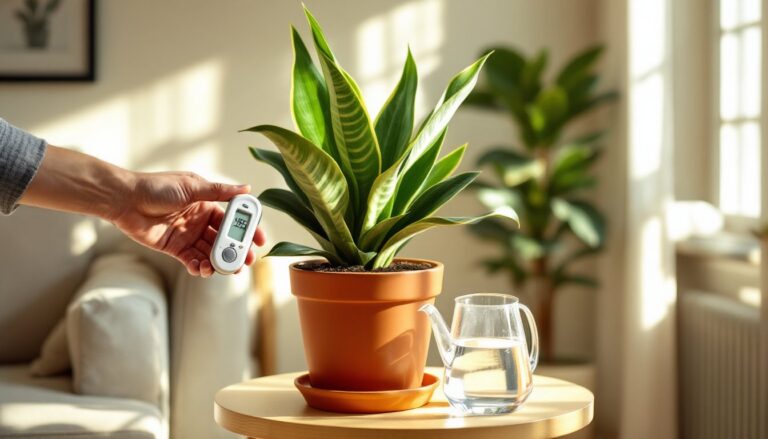
Snake plants (Sansevieria trifasciata) are the workhorse of air-purifying greenery. They’re nearly impossible to kill, tolerating neglect, low light, and irregular watering, perfect if you’re new to plants or busy. They remove formaldehyde, benzene, and xylene while producing oxygen at night, making them ideal for bedrooms.
Snake plants grow slowly but live for years with minimal fuss. Water every 3–4 weeks, ensure the pot drains freely, and keep them away from direct cold drafts. Their upright, architectural form looks sharp in corners or on shelves without taking up floor space.
Pothos (Epipremnum aureum), also called devil’s ivy, is equally forgiving. Trailing varieties work beautifully on shelves or hanging planters, while the plant itself handles low light better than almost any other climber. It absorbs formaldehyde and other VOCs while adapting to whatever humidity and light your room offers. Water when the top inch of soil dries out, usually every 1–2 weeks.
Both plants are budget-friendly. A starter pothos or small snake plant costs $5–15 at most garden centers or large indoor house plants nurseries. Propagation is also simple: stick a pothos cutting in water for 2–3 weeks until roots develop, then pot it up for a free new plant.
Spider Plant and Dracaena: Stylish Air Cleaners
Spider plants (Chlorophytum comosum) produce cascading runners with baby plantlets, adding visual interest while filtering formaldehyde and xylene. They’re tough, grow quickly, and thrive in indirect light. Mist regularly if your air is dry, and water when the soil surface feels dry. They’re also safe around pets, a plus if you have cats or dogs that chew on greenery.
Dracaena comes in several varieties, Dracaena marginata (red-edged), Dracaena deremensis (compact), and Dracaena fragrans (taller, bushier), all effective at removing benzene, formaldehyde, and trichloroethylene. House plants types vary in size and color, so you can match your decor. They prefer bright, indirect light and tolerate inconsistent watering, though they prefer to dry out between drinks. Overwatering is their only real weakness: ensure pots drain, and let soil dry 1–2 inches deep before watering again.
For apartment dwellers or offices with low light, dracaena is more forgiving than most tall plants. Growth is moderate, so you won’t need repotting constantly. All dracaenas benefit from occasional dusting to keep pores clear and air exchange efficient.
How to Maximize Air-Cleaning Benefits
Placement matters as much as plant choice. Position air-purifying plants near common pollution sources, beside a printer, near a new couch off-gassing, or in the bedroom where you spend eight hours breathing stale air. Studies suggest one plant per 100 square feet for noticeable air quality improvement, though the benefit scales with more plants.
Rotate plants seasonally if possible. Moving a snake plant from your bedroom to the living room in summer maximizes coverage. In winter, position plants closer to windows (even if indirect) to maintain light during darker months.
Keep plants healthy, because a stressed plant cleans less effectively. This means proper soil drainage, occasional fertilizing, and wiping dust off leaves. Dusty leaves can’t exchange air as efficiently, so use a soft, damp cloth monthly. Oversized pots hold water too long, so use a container only 1–2 inches larger than the root ball. Repot every 12–18 months or when roots circle the bottom.
Combine plants with ventilation for best results. Open windows on mild days, use exhaust fans in kitchens and bathrooms, and consider a portable HEPA filter in high-traffic areas or allergenic spaces. Plants are one part of a broader strategy, not a magic bullet. Reduce sources of pollution, choose low-VOC paint, avoid synthetic air fresheners, and ensure proper humidity (30–50%) so plants thrive and you breathe easier.
For initial investment, budget $15–40 per plant for healthy specimens. A bedroom setup with a snake plant and pothos runs $25–35 total. House plants nearby provide cumulative value over months and years, so the per-day cost drops quickly. Local nurseries often offer better advice and hardier plants than big-box stores, worth the slight premium.
Conclusion
Indoor plants that clean air aren’t a fad, they’re a practical, proven way to improve your home’s atmosphere and your family’s wellbeing. Snake plants, pothos, spider plants, and dracaena offer low-maintenance, high-return options for any room, light condition, or budget. Start with one or two, get comfortable with watering and light, then expand your collection as confidence builds. Combined with good ventilation and moisture control, a few green companions transform your living space into a healthier, more inviting home.