Table of Contents
ToggleYour thriving monstera looks perfect until you spot tiny white specks on the underside of a leaf. That’s when the panic usually starts. Indoor plant pests sneak in on new plants, hitch rides on your clothes, or drift through an open window, and once they’re inside, they multiply fast in the warm, stable environment. Dealing with insecticide for indoor plants isn’t glamorous, but it’s an essential skill for anyone serious about keeping houseplants healthy. The good news: you don’t need harsh chemicals or complicated application methods. This guide covers your options, from organic solutions to targeted sprays, and walks you through the safest way to apply them in your home.
Key Takeaways
- Insecticide for indoor plants comes in both organic options (neem oil, insecticidal soap) and synthetic choices (pyrethrin, imidacloprid), each suited to different infestation levels and household situations.
- Spider mites, mealybugs, scale insects, thrips, and fungus gnats are the most common indoor plant pests that thrive in warm, stable home environments.
- Apply insecticide thoroughly to leaf undersides and stems in a well-ventilated area during evening hours, then re-treat every 7–10 days for 2–3 weeks to eliminate eggs and newly hatched pests.
- Quarantine new plants for 2–3 weeks, inspect them closely under bright light, and improve air circulation with fans to prevent infestations before they start.
- Prevention through smart watering, regular leaf cleaning, and weekly scouting catches pest problems at the earliest stages, making treatment far easier and faster.
Why Indoor Plants Get Infested and Common Indoor Pests
Indoor plants face pest pressures that outdoor plants don’t. Your home’s controlled temperature and humidity create a year-round buffet for bugs. Spider mites, mealybugs, scale insects, thrips, and fungus gnats are the usual suspects. Spider mites thrive in dry conditions, they spin fine webs on leaf undersides and drain plant cells, leaving stippled, yellowing foliage. Mealybugs look like tiny cotton balls clustered on stems and leaf joints: they’re sap-suckers that weaken plants fast. Scale insects attach to stems and leaf veins, looking like small bumps: they’re deceptive because many people mistake them for part of the plant. Thrips are tiny, slender insects that rasp leaf surfaces, creating silvery streaks. Fungus gnats aren’t as immediately damaging to foliage, but their larvae feed on roots in moist soil, causing stunting. New plants from nurseries or garden centers are common entry points, pests hide in soil or under leaves. Poor air circulation, overwatering, and crowded conditions amplify infestations. Catching pests early makes treatment far easier, so inspect new plants in quarantine before bringing them near your existing collection.
Natural vs. Chemical Insecticides: Which Is Right for Your Home
Choosing between organic and synthetic insecticides depends on your comfort level, the severity of infestation, and whether you have pets or young children in your home. Both approaches work: the key is honest assessment of your situation.
Organic and Natural Options
Neem oil is the organic workhorse for indoor plant pests. It’s derived from the neem tree and disrupts insect feeding and reproduction cycles. Mix neem oil concentrate (typically a 70% cold-pressed product) with water and a few drops of mild dish soap as an emulsifier. The mixture coats leaf surfaces and suffocates soft-bodied pests like spider mites and mealybugs over a few days. Apply in the evening when plants aren’t in direct light, as neem can burn foliage under bright conditions. Repeat every 7–10 days for two to three weeks. Neem has a distinctive smell, some people find it pungent, and it’s safe for pets once dry, though you shouldn’t let children or pets ingest it.
Insecticidal soap (potassium fatty acids) works similarly but acts faster on contact. It’s gentler on plants and breaks down quickly in air. Use it on mealybugs, aphids, and thrips. Mix per label instructions and spray leaf undersides and stems thoroughly. You’ll need 2–3 applications 5–7 days apart. Soap won’t work on pests with harder shells like mature scale insects.
Horticultural oils (mineral or plant-based) smother soft-bodied insects and mites. They’re safe indoors if used properly and work well on spider mites. Spray in low light to avoid leaf burn. Application and re-treatment frequency match insecticidal soap.
Diatomaceous earth (food-grade only: never the pool-filter grade) is a powder made from fossilized algae. Dust it on soil surfaces to kill fungus gnat larvae. It works by cutting insect exoskeletons, so it’s mechanical rather than chemical. Reapply weekly if the soil surface stays moist. Wear a dust mask during application, inhaling fine powder isn’t safe for your lungs.
Organic solutions are gentler, slower-acting, and require consistent reapplication. They’re excellent for light infestations and low-toxicity homes, but severe infestations may need something stronger.
Synthetic Chemical Solutions
Pyrethrin-based insecticides are synthetic copies of compounds found in chrysanthemum flowers. They’re faster-acting than neem, knocking down adult insects within hours. Pyrethrin degrades in sunlight, so it’s safe for indoor use once dry. Products like pyrethrin sprays come ready-mixed for houseplants. Follow label directions carefully, usually one or two applications 7–10 days apart. They’re effective on thrips, mites, aphids, and mealybugs. Pyrethrin is generally considered safe for pets once dry, but check product labels.
Imidacloprid-based products are systemic insecticides, you apply them to soil and the plant absorbs them. Pests feeding on the plant ingest the toxin. Imidacloprid is excellent for persistent infestations and works on scale insects, mealybugs, and fungus gnats. One or two soil applications handle a whole infestation cycle. The downside: imidacloprid is toxic to bees (keep treated plants away from open windows), and it persists in soil longer than contact sprays. Avoid these if you plan to compost soil later or if anyone in your house is pregnant (though risk is minimal with proper application).
Spinosad is a fermentation-derived insecticide that’s gentler than broad-spectrum synthetics but faster than neem. It works on thrips, leaf miners, and some beetle species. It’s moderately toxic to pets, so keep sprayed plants out of reach while wet.
Synthetic options act faster and often require fewer applications, making them practical for major infestations. They’re overkill for light problems and unnecessary if you’re patient with organic methods.
How to Apply Insecticides Safely Indoors
Indoor application demands care because you’re protecting both your plants and your living space. Poor technique spreads pesticide residue on furniture, floors, and air, none of which you want.
Before you start, read the entire product label. It tells you the target pests, safe plants, mixing ratios, drying time, and re-application intervals. Not all insecticides work on all pests or plants: philodendrons and ferns, for example, can be sensitive to some oils and sulfur-based products.
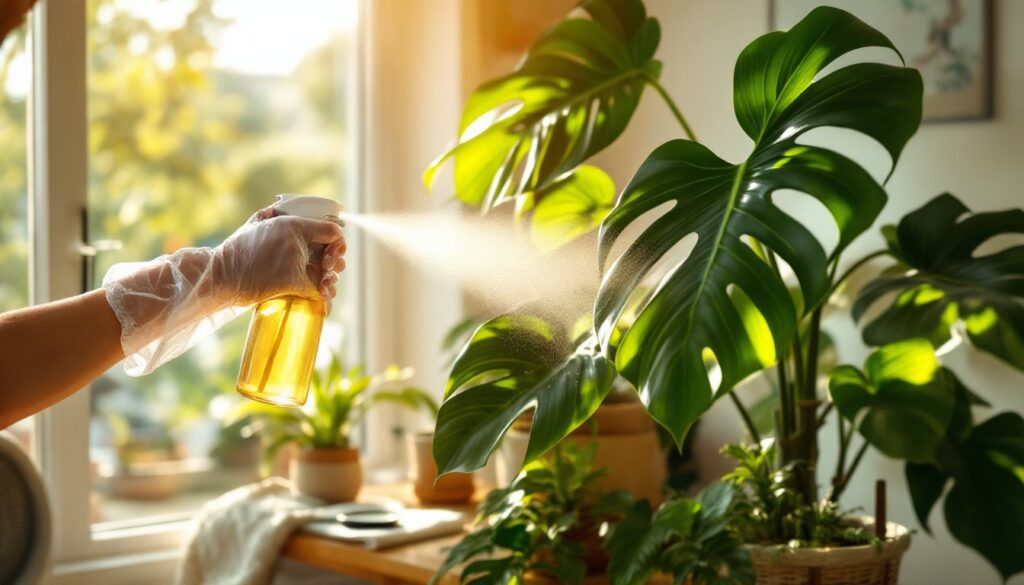
Set up a spray station in a well-ventilated area, a basement, garage, or bathtub works best. Wear chemical-resistant gloves, safety glasses, and a dust mask or respirator if spraying a mist. Long sleeves and pants reduce skin exposure. If you’re using dust (like diatomaceous earth), a respirator is mandatory to protect your lungs.
Mix solutions carefully according to label ratios. Under-mixing means weak coverage and pest survival: over-mixing wastes product and increases toxicity. Use a separate sprayer for insecticides, never the one you use for water or fertilizer. Measure with a syringe or measuring cup, not by eye.
Spray thoroughly. Pests hide on leaf undersides, in leaf axils, and along stems. Spray until the plant is dripping wet, but not so much that liquid pools in the soil. Mist all leaf surfaces and stems. A hand pump sprayer gives better control than a squeeze bottle: a 1–2 quart capacity covers most indoor plants without refilling.
Timing matters. Spray in early evening when plants aren’t in direct light. Active light accelerates drying and can cause leaf burn, especially with oils and neem. Ensure the plant dries completely (usually 2–4 hours) before returning it to living areas. Leave windows open during and for 30 minutes after spraying.
Re-application is essential. One spray rarely eliminates an infestation because it doesn’t kill eggs or newly hatching nymphs. Follow the label schedule, typically 7–10 days apart for two to three treatments. Set phone reminders: people often forget the follow-up spray and wonder why pests return.
Store insecticides safely in original, labeled containers in a cool, dark place out of reach of children and pets. Never pour them into food or drink containers. Dispose of empty bottles per local hazardous waste guidelines, don’t throw them in regular trash.
Prevention Tips to Reduce the Need for Insecticides
Prevention is always cheaper and easier than treatment. A few simple habits dramatically reduce pest pressure. Quarantine new plants for 2–3 weeks before placing them with your collection. Inspect leaf undersides, stems, and soil surface closely under bright light. Use a magnifying glass, early-stage infestations are tiny and easy to miss. If you spot anything suspicious, treat the plant immediately before it contaminates your other plants.
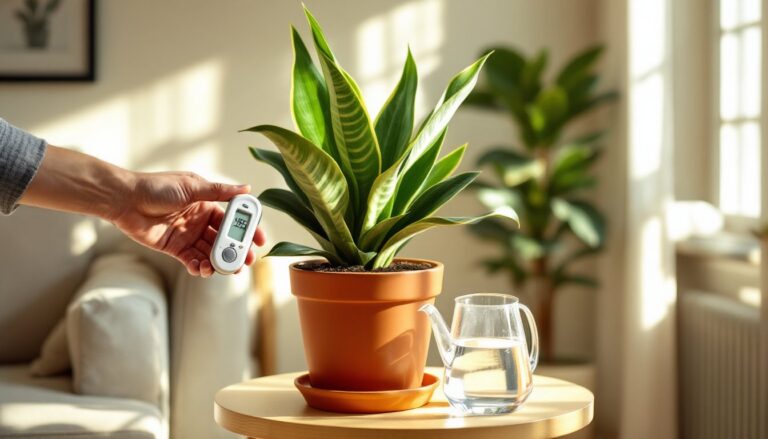
Water wisely. Overwatering creates soggy soil, which triggers fungus gnats and root rot. Let soil dry slightly between waterings (the exact schedule depends on your plant species and environment). Avoid wetting foliage unless you’re spraying insecticide. Wet leaves in low-light conditions encourage fungal issues and hide pests better.
Improve air circulation. A small oscillating fan set on low keeps air moving, discouraging mite and mealybug colonization. Circulating air also dries foliage faster after watering or spraying, reducing fungal risk. Position the fan so it doesn’t directly blast plants: gentle movement is the goal.
Increase humidity strategically. Low humidity (below 40%) favors spider mites. Grouping plants together, misting occasionally, or placing a humidifier nearby raises humidity. Don’t overdo it, too much moisture (above 70%) invites fungal issues.
Clean leaves regularly. Dust and debris can hide pests and block photosynthesis. Wipe large-leaf plants like Large Indoor House Plants with a soft, damp cloth every few weeks. For delicate foliage, use a soft brush or hand-held shower to rinse gently. Clean plants also let you spot pests early.
Scout weekly. Spend a few minutes each week inspecting your plants, check the undersides of leaves, new growth, and soil surface. Weekly observation catches infestations at the one or two pest stage instead of the hundreds stage, saving you time and frustration later.
Conclusion
Insecticide for indoor plants isn’t a one-size-fits-all problem. Light infestations of soft-bodied pests respond well to neem oil or insecticidal soap. Severe or stubborn infestations may justify synthetic options like imidacloprid or pyrethrin. Whichever path you choose, read labels carefully, apply thoroughly, re-treat on schedule, and spray in well-ventilated areas. Prevention through quarantine, smart watering, and weekly scouting prevents most pest problems before they start. With these tools and habits, your indoor plant collection can stay thriving and pest-free.