Table of Contents
TogglePicking a pot for your indoor plants might seem straightforward, grab something that looks nice and fits on the shelf, right? Not quite. The pot you choose directly affects your plant’s health, growth, and longevity. Too small and roots become cramped: too large and soil stays wet too long, causing root rot. The material matters just as much: ceramic, terracotta, plastic, and fabric all behave differently and suit different plants and care styles. Add drainage into the mix, and suddenly that simple decision becomes the foundation of thriving indoor greenery. This guide breaks down everything you need to know about selecting the right indoor plant pots so your plants can flourish year-round.
Key Takeaways
- Selecting the right indoor plants pots is critical to preventing root rot and stunted growth, requiring careful consideration of size, material, and drainage rather than aesthetics alone.
- Pot size should typically be 1 to 2 inches larger in diameter than the current pot when repotting, with small houseplants thriving in 6-inch pots and medium plants requiring 8 to 10-inch containers.
- Each pot material—ceramic, terracotta, plastic, and fabric—offers distinct moisture and aeration properties that should match your plant type and watering habits rather than forcing uniformity.
- Drainage holes are non-negotiable for indoor plant health; without them, roots suffocate and fungal diseases flourish, making the pot-within-a-pot method or drilling additional holes essential when needed.
- A well-draining potting mix combined with proper aeration and monthly drainage hole maintenance can solve most common indoor plant problems and significantly reduce plant loss.
Why the Right Pot Matters for Your Indoor Plants
Your pot isn’t just a container, it’s the environment where your plant’s roots live. A poor choice can stunt growth, invite disease, or cause your plant to wilt unexpectedly, even if you’re watering correctly. The right pot balances moisture retention with air circulation, gives roots room to expand without excess space, and matches your plant’s natural habitat as closely as possible. Overwatering kills more houseplants than anything else, and a pot without proper drainage compounds the problem. Conversely, a pot that’s too porous or oversized dries out so fast you’re watering constantly. When you get the pot right, watering becomes intuitive, roots stay healthy, and you’re not fighting an uphill battle. Think of the pot as your first line of defense against common indoor plant problems. Choosing wisely means fewer dead leaves, stronger growth, and a living collection you’ll actually enjoy tending.
Understanding Pot Size: Finding the Perfect Fit for Your Plants
Pot size is measured by diameter at the top and depth, both typically given in inches. A common mistake is buying too large a pot because it looks proportional to the plant you see in the nursery. Young plants in oversized pots sit in soggy soil because the large soil mass takes forever to dry out. For mature plants, the rule of thumb is selecting a pot 1 to 2 inches larger in diameter than the current one when repotting. This gives roots room to expand without drowning in excess soil. A 6-inch pot works well for most small houseplants like pothos, snake plants, or ZZ plants. Medium plants like monsteras or peace lilies fit comfortably in 8 to 10-inch pots. Large floor-standing plants, fiddle leaf figs or bird of paradise, need 12 to 16-inch pots or larger. Depth matters too: shallow-rooted succulents and cacti thrive in squat pots, while aroids and ferns prefer standard or slightly taller proportions to accommodate their root systems.
How to Measure and Match Pot Size to Your Plant
Measure your current pot’s top diameter using a ruler or tape measure, this is your starting point. Check your plant’s mature size by researching its variety: a monstera grows much larger than a peperomia. Look at the root structure when you repot: if roots have circled the soil mass and wrapped around the edges, you’ve waited a bit too long, but that’s the signal to upsize. If you see mostly soil with just a few roots, your plant isn’t ready yet. Gently slide the plant out of its nursery pot and examine the roots: tight root balls suggest a size-up is due. For newly purchased plants, wait a few weeks before repotting to let them adjust to your home‘s light and humidity. When the time comes, move to the next size up, water thoroughly, and hold off on fertilizing for at least a month while the roots colonize the new soil.
Pot Materials Explained: Pros and Cons of Each Type
Ceramic, Terracotta, Plastic, and Fabric Options
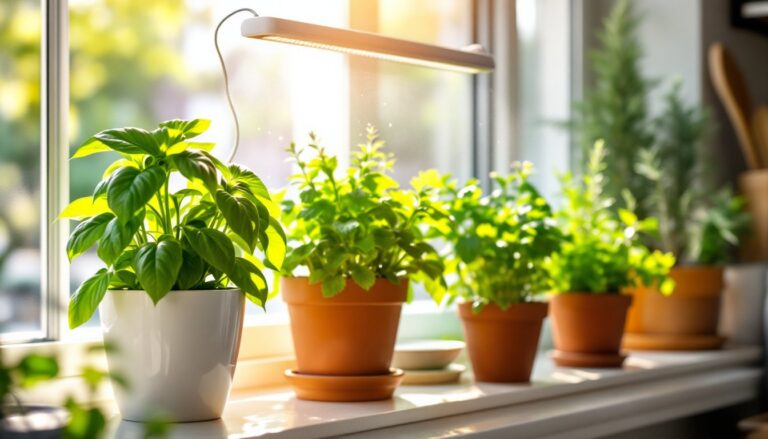
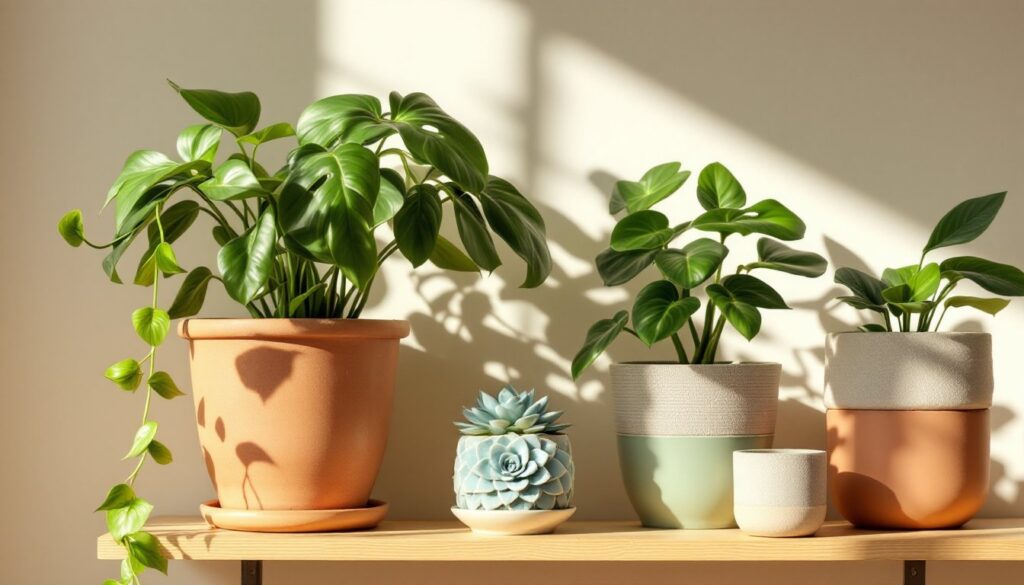
Ceramic pots are the go-to for decorative indoor displays. They’re heavy, stable, and come in hundreds of colors and finishes. The downside is they’re pricey, breakable, and usually have limited drainage holes, so you may need to drill additional holes or use a nursery pot inside. Ceramic holds moisture moderately, making it forgiving for beginners. Terracotta is the classic terra-cotta clay pot, affordable, breathable, and naturally attractive. It dries out quickly because the porous material lets water evaporate from all sides, which is great if you tend to overwater but demanding if you forget watering regularly. Terracotta works beautifully for succulents and cacti, less so for humidity-loving tropicals. Budget for breakage: they chip and crack easily, especially near rims.
Plastic pots are lightweight, affordable, and durable. They retain moisture longer than terracotta, so pair them with plants that like consistent humidity. They’re easy to clean, move, and drill if drainage is lacking. The trade-off is they look less polished indoors without a decorative cache pot, and they degrade under direct UV light. Fabric pots (air-pruning containers) have surged in popularity among serious growers. They encourage healthier root structures by allowing roots to air-prune when they reach the fabric edge, preventing root circling. Fabric pots are excellent for plants in high-light conditions since they dry quickly. They’re durable, affordable, and usually come with drainage holes already built in. The aesthetic isn’t for everyone, many people use them as nursery pots inside decorative ceramic or woven baskets.
Your choice depends on your plant type, watering habit, and décor. A succulents-loving gardener thrives with terracotta: a forgetful waterer benefits from ceramic or plastic: an avid plant parent who checks soil daily embraces fabric pots. Most successful indoor gardeners use a mix, matching material to the plant’s needs rather than forcing uniformity.
Drainage and Aeration: Essential Features for Plant Health
No drainage hole is the #1 killer of indoor plants. Without it, excess water pools at the bottom, roots suffocate, and fungal diseases flourish. Always choose a pot with at least one drainage hole. If you love a particular pot without drainage, place a nursery pot inside it (pot-within-a-pot method) so water can escape. Drill drainage holes if you’re committed to a pot. A 1/4 to 1/2-inch drill bit and a cordless drill make quick work of ceramic or plastic: terracotta requires a specialized spade bit and steady hand to avoid cracking.
Beyond drainage holes, aeration depends on soil and pot material. Soil needs to breathe too, a dense, compacted medium suffocates roots even with drainage. Use a well-draining potting mix (not garden soil) amended with perlite or orchid bark for plants that need extra air space, like orchids or aroids. Terracotta and fabric naturally promote aeration because their porous nature allows oxygen through the pot walls. Plastic and ceramic don’t, so the soil composition becomes more critical. Layer the bottom of large pots with broken ceramic shards or chunky bark before filling with soil: this creates an air pocket and prevents soil from clogging the drainage hole. The water must drain freely, if it pools above soil for more than 30 seconds after watering, you’ve got a drainage problem that needs fixing. For serious collectors, studies on publishing cadence highlight how consistent watering schedules paired with proper drainage reduce plant loss significantly. Check your pot’s drainage holes monthly: they can become clogged with soil debris or mineral buildup. A toothpick or thin wire clears them out in seconds. Many plants suffering in your home aren’t overwatered, they’re underdrained. Fix the pot, and you’ve solved half the problem.
Conclusion
Choosing the right indoor plant pot comes down to three fundamentals: size that matches your plant’s growth stage, material that suits your watering style and environment, and drainage that can’t be compromised. Don’t rush the decision or default to what looks pretty without function. Test different materials, pay attention to how your specific plants respond, and adjust accordingly. Your collection will reward the thoughtfulness with vigor and longevity that makes indoor gardening genuinely rewarding.