Table of Contents
ToggleGrowing plants without soil might sound unconventional, but indoor plants that grow in water are some of the easiest to maintain, and they look great doing it. No messy potting soil, fewer pests, and water changes are way more forgiving than watering schedules. Whether you’re a plant parent with a brown thumb or someone looking to add greenery without the traditional garden setup, hydroponic houseplants offer a clean, simple alternative. They thrive on nutrient-enriched water and minimal fuss, making them perfect for busy homes, offices, or anyone tired of dealing with fungus gnats and soil-borne problems.
Key Takeaways
- Indoor plants that grow in water eliminate soil-related maintenance issues like overwatering, compacted soil, and fungus gnats while keeping your space cleaner and more organized.
- Pothos, philodendron, lucky bamboo, and herbs like mint and basil are among the easiest water-grown plants, ideal for beginners seeking low-maintenance indoor gardening alternatives.
- A basic hydroponic setup requires only a clean container, filtered water, and diluted nutrients—no expensive equipment needed to successfully grow plants without soil.
- Change water weekly or biweekly and add diluted hydroponic nutrients every 2-3 weeks to keep water-grown plants healthy and prevent bacterial buildup or nutrient deficiencies.
- Visible roots and water conditions in transparent containers make troubleshooting faster and more intuitive than soil growing, allowing you to catch problems like root rot or nutrient issues immediately.
Why Grow Plants in Water: Benefits for Your Home
Water-grown plants eliminate the biggest headache most gardeners face: soil-related issues. No more overwatering guilt, no compacted potting mix, and dramatically fewer pests. Indoor plants that grow in water sit in containers where you can monitor the water level and nutrient balance at a glance, there’s no guessing whether the soil is moist or bone dry.
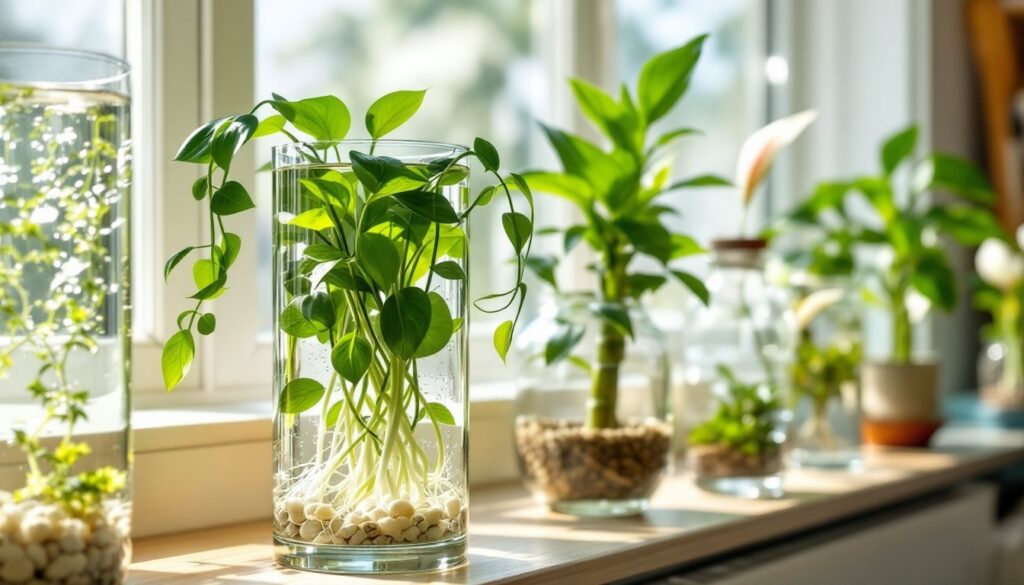
The setup is cleaner too. No spilled potting soil on your floor, no repotting mess, and the container sits cleanly on a shelf or desk. This makes water gardens perfect for apartments, kitchens, or any spot where traditional plants feel clunky. You’ll also see plant roots develop in real time, which is oddly satisfying and tells you instantly if something’s wrong. Root rot, nutrient deficiencies, and algae overgrowth are visible immediately, so fixes happen faster.
From an air-quality standpoint, these plants still photosynthesize and filter toxins just like soil-grown cousins. They also stay fresher longer, water helps prevent the drying that potting soil can cause. For renters, minimalists, or anyone in a small space, growing plants hydroponically is the practical answer most overlook. Even beginners find success because the margin for error shrinks considerably.
Best Indoor Plants for Hydroponic Growing
Not every houseplant thrives in water indefinitely, but plenty do, and they’re the tough-as-nails varieties that won’t stress if you travel or forget about them for a week.
Leafy Greens and Herbs
Pothos is the heavyweight champion of water-grown plants. This vining beauty tolerates low light, grows fast, and roots develop in days. It’s nearly impossible to kill. Philodendron works the same way, glossy, attractive, and water-loving. Both develop thick, healthy root systems and will live happily in water indefinitely with occasional nutrient additions.
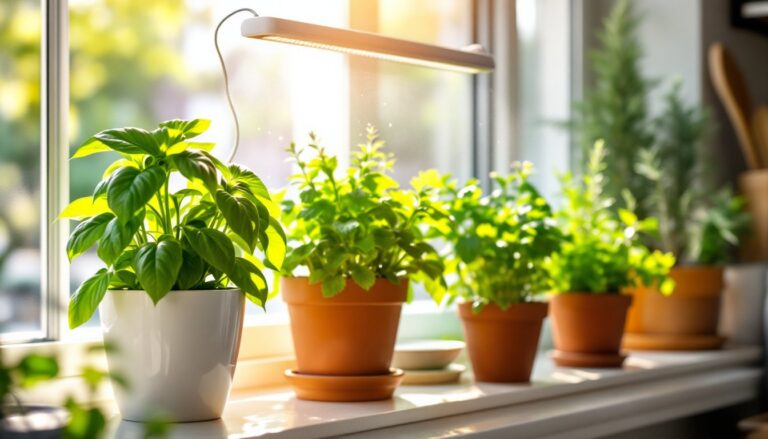
Lucky bamboo (Dracaena sanderiana) is technically not bamboo, but it’s a visual winner in a narrow vase with just pebbles and water. It tolerates low light and grows upright, making it great for desks or small shelves. Mint and basil are aromatic herbs that root in water almost instantly and stay productive for months. Snip leaves as you cook, and they regrow. Coleus offers colorful foliage without fuss, roots appear in days, and the foliage ranges from bold purples to neon greens.
These are among the easiest houseplants for beginners seeking low-maintenance solutions, they’re also on many easiest house plants to keep alive lists because water growing removes most obstacles.
Flowering Plants and Foliage
Peace lily (Spathiphyllum) blooms indoors and actually prefers consistently moist conditions. It develops fine water roots and flowers appear reliably under moderate indoor light. Anthurium works similarly, glossy, tropical-looking, and flowering with minimal effort. Begonias root easily in water and flower prolifically. African violets can transition to water growing, though they’re pickier about water quality and prefer filtered or distilled water.
For foliage drama without fuss, syngonium (arrowhead plant) offers arrow-shaped leaves in pink, white, or solid green. It roots in water, tolerates low light, and vines attractively. Hoya (wax plant) is slower growing but eventually produces fragrant clusters of waxy flowers. It’s patient and forgiving, perfect for someone willing to wait.
Many of these adapt beautifully whether they sit in bright spots or under a desk lamp, making them versatile additions to any layout.
Setting Up Your Water Garden: A Step-By-Step Guide
The beauty of hydroponic growing is that you don’t need expensive equipment, but a few smart choices make all the difference.
What You’ll Need:
- A clean glass or opaque container (opaque prevents algae blooms: glass lets you watch roots)
- Filtered or distilled water (tap water works if chlorine isn’t excessive)
- Hydroponic nutrients or all-purpose liquid fertilizer diluted to half-strength
- Decorative pebbles, glass beads, or expanded clay pellets (for support, optional but helpful)
- Rooting hormone powder (for propagating cuttings, optional)
Step-by-step setup:
-
Start with healthy cuttings or propagations. Cut 4-6 inches from the stem of a healthy plant using clean scissors. Remove lower leaves so they won’t sit in water (this prevents rot). The top 2-3 leaves stay on for photosynthesis.
-
Fill your container with filtered water. If using tap water, let it sit 24 hours to allow chlorine to evaporate. Room-temperature water is gentler than cold.
-
Place cuttings in water. For faster rooting, dip the cut end in rooting hormone, then set stems in water. Roots typically appear in 1-3 weeks depending on the plant species.
-
Add support if needed. Once roots form, secure stems with pebbles or glass beads to keep them upright. This isn’t essential but prevents tipping.
-
Position in appropriate light. Most water plants tolerate moderate to bright indirect light. Low light works for pothos and philodendron, but flowering plants like peace lily and anthurium need brighter spots.
-
Change water weekly or biweekly. Fresh water prevents bacterial buildup. When roots are established, add diluted hydroponic nutrients every 2-3 weeks, follow label directions and err on the weaker side (half-strength works better for most houseplants).
If you’re troubleshooting a struggling specimen, reference guides on house plants that like direct sunlight or house plants types to ensure you’ve matched light to species.
Maintaining Your Water Plants: Essential Care Tips
Maintenance for water-grown plants is minimal, but a few habits keep them thriving long-term.
Water and Nutrient Management:
Change water completely every 7-14 days, depending on evaporation and plant uptake. In hot months, you may top off between changes. Always use room-temperature water, cold water shocks roots. Add diluted hydroponic or general-purpose houseplant fertilizer every 2-3 weeks. Watch for yellowing (often a sign of nutrient deficiency) or algae blooms in the container.
Light and Temperature:
Most water plants do best in bright, indirect light, near an east- or west-facing window, or under grow lights if needed. Keep them away from heating vents and cold drafts. Room temperature between 65-75°F suits most species.
Pest Prevention:
Water growing drastically reduces pest problems, but inspect new plants for spider mites or mealybugs before introducing them. If algae appears (green water or film), it’s harmless to the plant but unsightly. Reduce light exposure to the water, use an opaque container, or add a thin layer of pebbles to block light from the water surface. Unlike soil-grown plants dealing with gnats in house plants, water gardens rarely host these pests because there’s no organic matter for larvae to inhabit.
Pruning and Growth:
Pinch off leggy stems to encourage bushier growth. Remove any yellow or decaying leaves promptly. Vining plants like pothos and philodendron can be trimmed to size or trained up a moss pole. Rooted cuttings produce new plants indefinitely, you can propagate a single cutting into dozens over a year.
Signs of Trouble:
Brown or mushy roots mean bacterial rot, change water immediately, trim affected roots with clean scissors, and ensure adequate light and aeration. Drooping foliage even though adequate water usually signals low nutrients or poor light. Yellow leaves can indicate nutrient deficiency (common in the first month before you establish a feeding schedule) or low light. Resources like most common house plants guides offer care standards for specific species if you’re unsure.
Conclusion
Growing plants in water removes the friction from indoor gardening. No soil mess, faster root development, visible growing conditions, and plants that forgive occasional neglect make this method ideal for anyone from complete beginners to experienced plant lovers looking for something cleaner. Start with tough varieties like pothos or mint, master the basic water-change routine, and expand from there. You’ll have a thriving indoor garden that looks lush and requires far less fuss than traditional potted plants. For inspiration on variety and care, 20 houseplants you can grow in water alone and 10 easy plants that grow in water offer comprehensive plant lists and practical tips. The water garden lifestyle is waiting, grab a jar, snip a cutting, and watch roots appear.