Table of Contents
ToggleLiving small doesn’t mean sacrificing style or comfort. Tiny home interiors are booming, and for good reason, when every square foot counts, thoughtful design becomes essential. Whether you’re downsizing, living in a compact apartment, or simply embracing minimalism, the right strategies can transform a tight space into one that feels open, functional, and genuinely beautiful. This guide walks through seven proven tactics that help homeowners and DIY enthusiasts maximize both utility and aesthetics in tiny homes without resorting to gimmicks or visual tricks.
Key Takeaways
- Vertical wall storage—including floating shelves, pegboards, and wall-mounted hooks—maximizes square footage in tiny home interiors without sacrificing floor space needed for movement.
- A cohesive, light color palette with just two to three accent colors makes small spaces feel visually larger and more serene while preventing visual compartmentalization.
- Multi-functional furniture pieces like storage ottomans, nesting tables, and sofa beds serve double duty and ensure every item in a tiny home earns its place.
- Natural light amplified by mirrors and layered lighting (task, ambient, and accent) creates openness, while warm white LED bulbs maintain warmth without darkness.
- Ruthless decluttering paired with intentional organization systems—using labels, vertical dividers, and a “one in, one out” rule—prevents clutter from overwhelming compact spaces.
Embrace Vertical Storage and Wall-Mounted Solutions
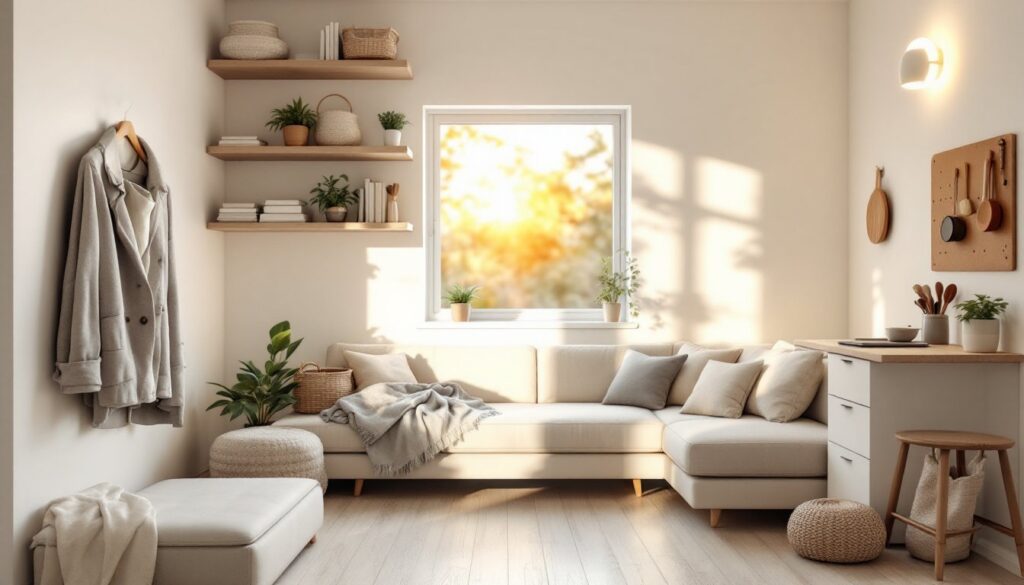
In tiny homes, floor space is gold. The real estate is on your walls. Wall-mounted shelving, pegboards, and floating shelves draw the eye upward and keep clutter off surfaces where you need to move around.
Start by auditing your wall space. Floating shelves mounted at eye level and above create visual interest while storing books, plants, or kitchen essentials. Use L-brackets rated for the load, don’t skimp on hardware. A single shelf holding thirty pounds of books can pull a drywall anchor right out if you use undersized fasteners.
For awkward corners, corner shelving units or tall, narrow bookcases fit snugly and hold more than you’d expect. Wall-mounted coat racks, hooks, and magnetic strips keep everyday items accessible without eating table or counter space. In the kitchen, a pegboard backsplash or wall-mounted magnetic knife strip keeps tools visible and within reach.
Install shelves at 16 inches on center (where wall studs live) for maximum support. Use toggle bolts or heavy-duty anchors if you must avoid studs. Test your installation before loading it down, safety first, especially overhead.
Choose a Cohesive Color Palette to Expand Visual Space
Color is a powerful tool in tiny home interiors. Light, cohesive palettes make rooms feel larger and more serene, while bold color choices can shrink a space visually if not handled carefully.
Start with a base of soft neutrals, whites, warm grays, or pale beiges on walls and larger furniture. These act as a backdrop that allows light to bounce around. Limit yourself to two or three accent colors throughout the space. When walls, trim, and ceiling are similar values (close in lightness or darkness), the eye doesn’t compartmentalize the space into choppy segments.
Monochromatic schemes, using variations of a single color, create unity and flow. A living room in shades of gray (pale, medium, dark) feels cohesive and expansive. Add depth with texture: a linen throw, a woven basket, or a knit pouf in the same color family creates interest without visual noise.
Don’t fear accent color entirely. One accent wall or a few pieces in a deeper tone anchor the space emotionally. Just keep it focused. Pulling inspiration from resources on home fashion interiors shows how restraint and intentionality elevate tiny spaces.
Invest in Multi-Functional Furniture That Serves Double Duty
Every piece in a tiny home should earn its keep. Multi-functional furniture isn’t a compromise, it’s smart design. A storage ottoman holds blankets and serves as a footrest, coffee table, or extra seating. Nesting tables let you expand surface area when needed and collapse them away. Sofa beds provide sleeping space without a dedicated bedroom eating square footage.
Look for pieces with built-in drawers or cubbies. A media console with concealed storage hides electronics, games, and seasonal decor. Bathroom vanities with shelving and kitchen islands with storage pull double duty beautifully. The key is choosing quality pieces that blend seamlessly with your aesthetic, mismatched multi-functional furniture can feel cluttered instead of clever.
When shopping, ask: “Does this do one thing well, or two things very well?” Avoid pieces that try to do three things and do all of them poorly. A sofa bed should sleep comfortably and look inviting as a couch, not feel like a compromise on both fronts.
Built-In Benches, Ottomans, and Hidden Storage
Built-in window benches with lift-top storage are game-changers for entryways or breakfast nooks. They provide seating, storage, and a finished, custom look without the cost of real built-ins.
If you’re comfortable with basic carpentry, a simple platform bench with hinged lid is an attainable DIY project. Use ¾-inch plywood for the box, pine boards for the frame, and a piano hinge rated for the weight on top. Sand everything smooth, prime, and paint to match your décor. Hollow interior stores throws, pillows, or seasonal gear. This approach works in tiny homes because it’s tailored to your exact space, no wasted gaps or overhang.
Ottomans with storage are less permanent but just as useful. Lift the lid and you’ve got a vessel for blankets, books, or craft supplies. When guests arrive, it’s just a footrest or low table.
Maximize Natural Light and Smart Lighting Design
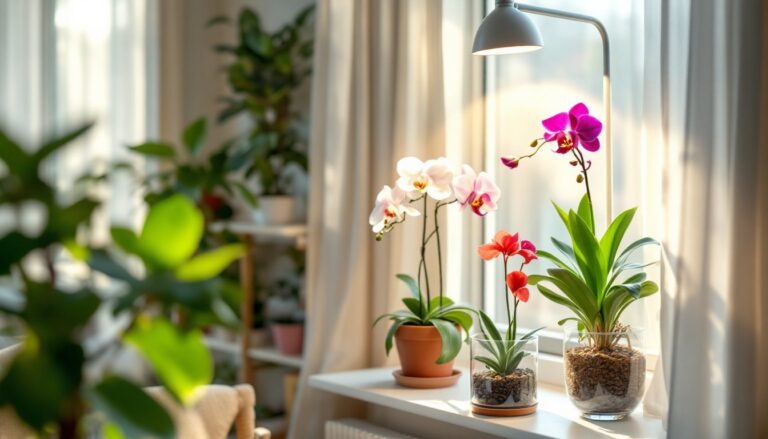
Natural light makes tiny spaces feel larger and more open. Maximize what you’ve got by keeping windows clear of heavy curtains. If privacy is needed, roller shades or cellular shades in white or cream filter light without blocking it. Sheer linen curtains add softness without darkening the room.
Place mirrors opposite windows to bounce light deeper into the space. A floor mirror in a corner amplifies daylight and reflections, which expand visual square footage. This is one of the oldest design tricks in the book, and it works.
After sunset, lighting strategy matters enormously. Avoid a single overhead fixture, it creates harsh shadows and feels institutional. Instead, layer your lighting:
- Task lighting (desk lamps, under-cabinet LEDs in the kitchen) lights where you work
- Ambient lighting (wall sconces, a dimmer-controlled flush mount) provides overall glow
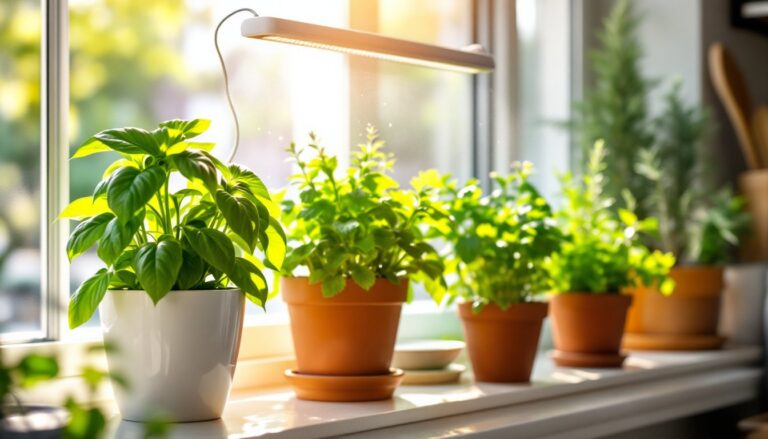
- Accent lighting (a small spotlight on art or plants) adds personality
Choose warm white LED bulbs (2700K color temperature) to create coziness. They’re also efficient and last years longer than incandescent. Installation varies: some sconces need new wiring (hire a licensed electrician if you’re uncertain), while plug-in options like puck lights and clip lamps are renter-friendly and require zero wiring.
Declutter and Organize With Purpose-Driven Systems
Tiny homes expose clutter instantly. A single pile of magazines or a stack of unopened boxes makes the whole space feel cramped. Ruthless decluttering isn’t harsh, it’s liberating. Keep what you use, love, or genuinely need. Everything else finds a new home.
Once you’ve purged, organization systems lock in the gains. Use organizing strategies highlighted on Real Simple as inspiration, but adapt them to your actual lifestyle. A label maker helps, knowing that a bin contains “craft supplies” (not “misc”) saves time and prevents reaccumulation.
Draw inspiration from design approaches mentioned on Curbed to see how tiny homes in real markets stay functional. Group like items together: all kitchen tools in one drawer, all writing supplies in one caddy. Vertical dividers in drawers (or repurposed cereal boxes) prevent sliding and keep categories separate.
Storage shouldn’t be invisible to the point that you forget what you own. Clear plastic bins with labels let you see contents and find things quickly. Opaque bins work for seasonal items you rarely access, holiday décor, winter coats, but everyday essentials benefit from visibility.
Carry out a “one in, one out” rule. If you buy a new book, donate one. If a shirt no longer fits, it goes. This prevents the creep that slowly strangles small spaces. Also consider how creative interior solutions use constraint as design fuel, limitations force intentionality, and intentionality creates harmony.
Conclusion
Tiny home interiors thrive on intention. There’s no room for “maybe someday” items or “just in case” storage. By embracing vertical space, unifying color, choosing multi-functional pieces, optimizing light, and organizing ruthlessly, you’ll discover that small homes aren’t limitations, they’re opportunities. Explore additional interior design strategies to keep refining your space, and remember: thoughtful design in a tiny home often outshines lazy design in a mansion.