Table of Contents
ToggleAdding greenery to a home doesn’t require a green thumb or hours of maintenance, just the right plants and a basic understanding of their needs. Indoor plants improve air quality, boost mood, and add visual interest to any room, from bedrooms to living spaces. Whether someone’s a seasoned gardener or killing their first succulent, there’s a plant suited to their lifestyle and light conditions. This guide covers practical strategies for selecting, placing, and caring for indoor green plants that actually thrive, not just survive.
Key Takeaways
- Indoor green plants improve air quality by filtering toxins like formaldehyde and benzene while reducing stress and boosting productivity in your home.
- Low-maintenance houseplants like Pothos, Snake Plants, and ZZ Plants are ideal for beginners because they tolerate low light, irregular watering, and cost only $5–$25 for starter sizes.
- Most common houseplants fail from overwatering rather than neglect—check soil moisture with your finger before watering, and water only when soil 1–2 inches deep feels dry.
- Bright, indirect light (near a window with filtered sunlight) is crucial for indoor plant success, and stretching stems signal your plant needs more light or a move closer to a window.
- Regular leaf dusting, monthly pest inspections, and repotting every 12–18 months prevent 80% of indoor plant problems without requiring special expertise.
Why Indoor Plants Matter for Your Home
Indoor plants serve a purpose beyond decoration. They absorb carbon dioxide and release oxygen while filtering common indoor toxins, formaldehyde, benzene, and xylene, through their leaves and roots. NASA researchers documented this air-purifying effect decades ago, and it remains one of the most practical benefits of keeping greenery inside.
Beyond air quality, houseplants reduce stress and improve focus. Studies show that being around plants lowers cortisol levels and increases productivity, which is why offices and hospitals increasingly feature living walls and potted plants. Even a single plant in a bedroom or office can shift the energy of a space.
For home improvement projects, indoor plants are low-risk investments. Unlike renovations or structural changes, adding plants requires no permits, minimal tools, and zero irreversible commitment. If a plant doesn’t work in one spot, it moves to another. This flexibility makes greenery an ideal starting point for people new to home beautification. Many homeowners find that once they master basic plant care, they’re motivated to tackle other interior design projects.
When done thoughtfully, incorporating indoor green plants transforms living spaces into personal sanctuaries. The key is matching the plant to the home’s conditions rather than forcing an exotic specimen into the wrong environment.
Best Low-Maintenance Plants for Busy Homeowners
Life gets busy. The best indoor plants are ones that tolerate neglect without turning brown. Low-maintenance varieties succeed in inconsistent light, irregular watering, and temperature fluctuations, basically, the conditions of real homes.
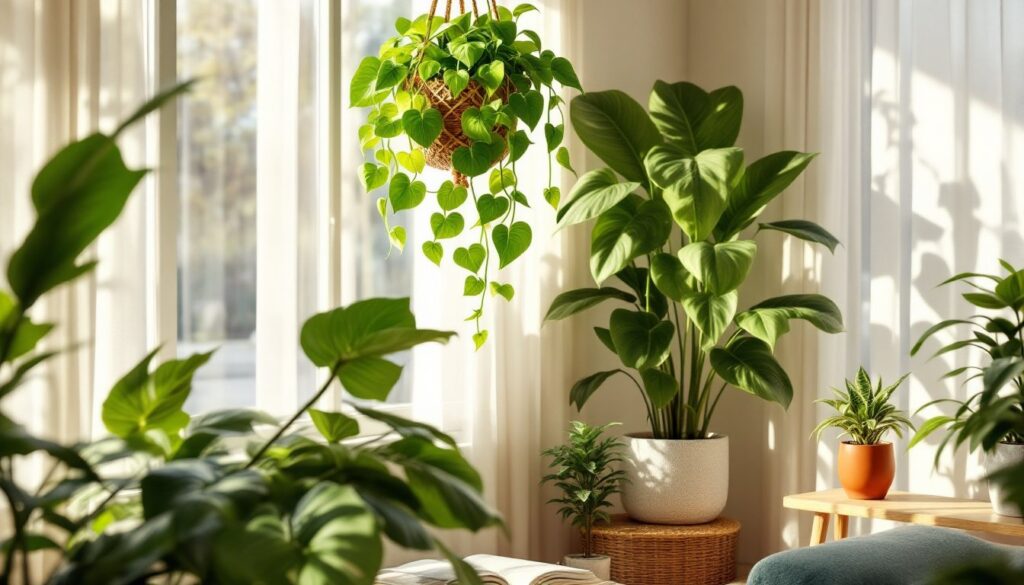
Pothos (also called Devil’s Ivy) is nearly impossible to kill. It survives in low light, prefers occasional watering, and grows quickly enough to see progress weekly. Pothos tolerates dry air and adapts to most humidity levels. It also cascades beautifully from shelves or hangs from a macramé hanger.
Snake plants (Sansevieria) are architectural and architectural-looking, with striped, upright leaves. They thrive in low to moderate light and actually prefer drying out between waterings. Snake plants grow slowly, which means less frequent repotting. They’re practically bombproof.
ZZ plants have glossy, compound leaves and grow in an orderly, sculptural pattern. Like snake plants, ZZ plants tolerate low light and dry soil. They’re excellent for offices or bedrooms where someone might forget to water for weeks.
Philodendrons (heartleaf varieties) are similar to pothos but with larger leaves. They’re forgiving about light and watering and develop character as they mature, eventually trailing or climbing depending on how they’re supported.
Spider plants produce cascading runners with tiny plantlets, adding movement to a space. They tolerate bright, indirect light and moderate watering. Beginners often have success with spider plants because they’re hardy and fast-growing.
Top Picks for Beginners
For someone just starting out, choose plants that survive mistakes. Pothos tops the list because it forgives skipped waterings and low light. Start with a small 4-inch pot from a local nursery or big-box store: expect to pay $5–$15.
ZZ plants and snake plants are second-tier picks for beginners, they’re equally forgiving but slightly slower-growing, so progress feels less immediate. They cost $10–$25 for a small starter size.
Spider plants offer fast growth and visual interest without demanding attention. They’re typically $8–$20 and produce baby plantlets that can be propagated into new plants, extending the value.
Avoid rare variegated varieties or tropical specimens until confident with watering and light management. Common house plants types exist because they succeed in typical homes. That’s not boring, it’s practical. Once someone masters basic care with forgiving plants, they can expand to more finicky varieties like calatheas or anthuriums.
Many most common house plants are common because they work, not because they’re uninteresting. The variety in leaf shape, color, and growth habit is substantial even within beginner-friendly options.
Creating the Perfect Growing Environment
Plants don’t thrive by willpower alone. They need light, humidity, and stable temperatures. Understanding these three variables eliminates most plant problems before they start.
Lighting, Humidity, and Temperature Tips
Light is the biggest variable homeowners control. Most common houseplants prefer bright, indirect light, think of a spot near a window where direct sun is filtered by a sheer curtain. South-facing and west-facing windows offer the most light: north-facing windows provide the least.
Low-light plants like pothos, ZZ plants, and philodendrons tolerate 2–4 hours of indirect light daily. In practice, this means placement on a shelf 5–8 feet from a window or in a corner with ambient room light. Avoid dark corners where someone struggles to read without a lamp: most plants struggle there too.
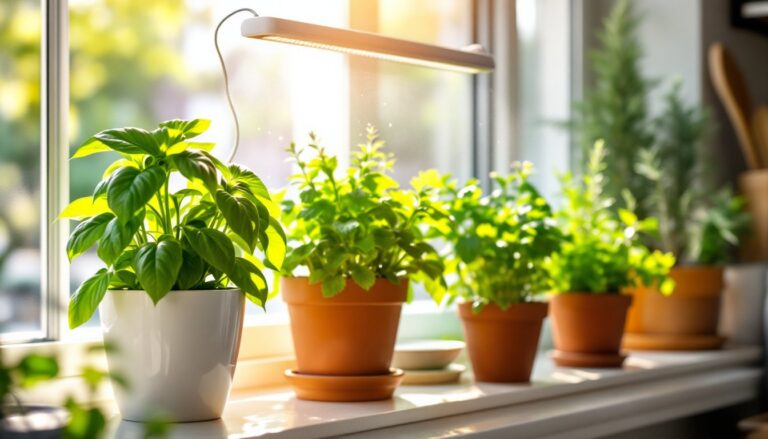
When a plant shows signs of “reaching”, stretching toward light with long gaps between leaves, it’s telling the owner it wants more light. Moving it closer to a window or adding a grow light fixes this. Basic LED grow lights cost $20–$60 and run on standard shelving or desks without heat concerns.
Humidity affects how quickly soil dries and how plants respond to changes. Most homes run 30–50% humidity, which works for hardy houseplants. Tropical plants like calatheas and ferns prefer 60%+ humidity. Increase humidity by grouping plants together (they create a microclimate), misting leaves with water, or setting pots on a humidity tray, a shallow saucer filled with water and pebbles that the pot sits atop (not directly in water).
Don’t mist constantly: it rarely raises humidity meaningfully and can invite fungal issues if leaves stay wet. Instead, focus on the grouping or tray method.
Temperature matters less than consistency. Most houseplants thrive between 65–75°F (18–24°C). Avoid placing plants near heating vents, air conditioners, or drafty windows where temperature swings can cause stress. Cold drafts below 50°F will damage most tropical houseplants: heat above 80°F dries soil faster and stresses plants.
Keep plants away from radiators and direct heater vents in winter. In summer, ensure they’re not pressed against sun-scorched south-facing windows. A simple solution: pull pots 12 inches inward from the window glass in summer if direct afternoon sun is intense.
Resources like The Spruce offer detailed care guides for specific varieties, including light requirements, humidity tolerance, and ideal temperatures. Cross-reference any plant’s specific needs before purchase to ensure the home’s conditions match.
Essential Care Routines That Actually Work
Successful plant care hinges on establishing habits, not following rigid rules. Every home is different, light, humidity, and air circulation vary, so watering schedules differ from house to house and even room to room.
Watering, Feeding, and Maintenance
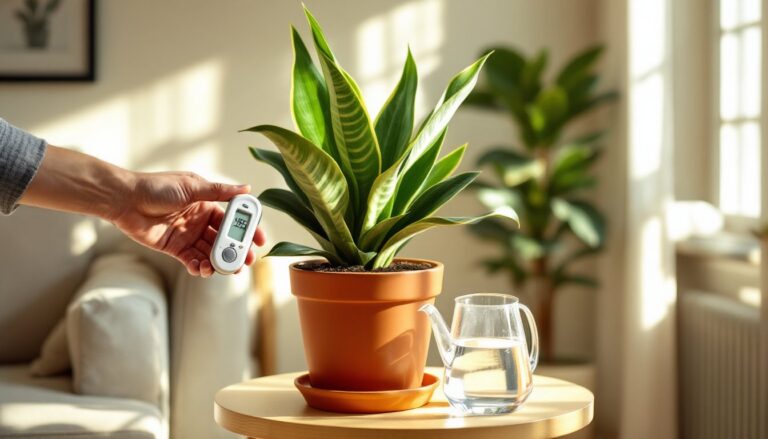
Watering is the most common mistake area. Most houseplants die from overwatering, not neglect. Soggy soil suffocates roots and invites root rot, a point of no return. Instead of watering on a schedule, check the soil by inserting a finger 1–2 inches deep. If it feels moist, skip watering. If it’s dry, water thoroughly until it drains from the bottom of the pot.
Frequency depends on pot size, soil type, light, and humidity. A small pothos in low light might need water every 10–14 days: a large snake plant in a dry room might go 3 weeks. Observation beats any calendar.
Use room-temperature water, ideally filtered or left out overnight to let chlorine evaporate. Filtered water prevents mineral buildup on leaves and in soil. Water until it drains freely from drainage holes, never let pots sit in standing water, as this prevents proper soil aeration.
Feeding (fertilizing) is secondary to watering but necessary. Potted soil depletes nutrients over time. During the growing season (spring and summer), apply a balanced liquid fertilizer, like a 10-10-10 NPK ratio, every 2–4 weeks at half the recommended strength. Dilute fertilizers prevent salt buildup that can burn roots.
Reduce feeding in fall and winter when growth naturally slows. Most houseplants need minimal nutrition during dormancy. Over-fertilizing causes leaf burn and weak, spindly growth, less is better.
Leaf maintenance is often overlooked. Dust accumulates on leaves, clogging pores and reducing the plant’s ability to photosynthesize. Wipe leaves monthly with a soft, damp cloth or a microfiber cloth. For plants with fuzzy or delicate leaves (African violets, begonias), skip wiping and use a soft brush instead.
Repotting happens annually or every 18 months for fast-growing plants. Repot when roots emerge from drainage holes or if growth slows even though proper care. Move to a pot only 1–2 inches larger than the current one: oversized pots hold excess moisture and lead to root rot.
Use potting soil (not garden soil, which compacts indoors). Quality potting mixes contain perlite or orchid bark for drainage. Fill the new pot with fresh soil, set the plant at the same depth it was originally, and water thoroughly.
According to Hunker’s home improvement resources, regular maintenance, checking soil, dusting leaves, and adjusting placement seasonally, prevents 80% of houseplant problems. It’s not complicated, just consistent.
Inspect plants monthly for pests like spider mites, mealybugs, or scale, especially in winter when air is dry. Early detection makes treatment simple: spray infested leaves with diluted neem oil or insecticidal soap (follow product directions). Isolate infested plants from others to prevent spread.
With proper light, consistent (not rigid) watering, occasional feeding, and monthly inspection, indoor plants thrive. They become living, growing proof that the home is a nurturing environment, literally and metaphorically.